

Reported by: Ijeoma G | Edited by: Oravbiere Osayomore Promise.
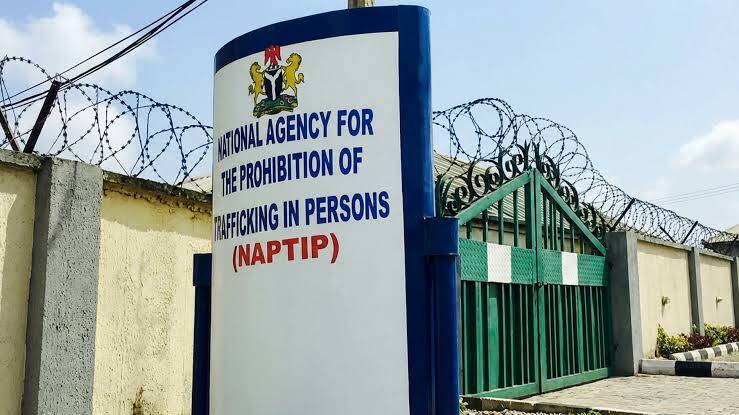
The National Agency for the Prohibition of Trafficking in Persons (NAPTIP) has raised a grave alarm over an emerging and deeply disturbing nexus between sexual violence, ritual practices, and cybercrime, warning that perpetrators are now deploying a sophisticated mix of spiritual exploitation, digital blackmail, and organised criminal networks to commit heinous acts. The agency's Head of Press and Public Relations, Vincent Adekoye, sounded the warning on Thursday, August 6, 2026, during a two-day capacity-building workshop for journalists covering Sexual and Gender-Based Violence (SGBV) in Abuja.
The workshop, organised by NAPTIP with support from the European Union-backed End Sexual and Gender-Based Violence (ESGBV) Programme and the International Institute for Democracy and Electoral Assistance (International IDEA), sought to establish a dedicated SGBV Media Corps and improve ethical reporting on sexual violence. Adekoye, while addressing journalists, said SGBV cases being handled by the agency had become increasingly complex, with some involving alleged ritual practices, cybercrime, spiritual beliefs, grooming and blackmail. He urged journalists to move beyond simply reporting incidents of rape and other forms of violence and begin investigating the social, cultural, economic and criminal dimensions behind such cases.
"There is an aspect of rituals that are now coming into the issue of rape. Rather than just reporting the horrible incident, there are intellectual aspects that we are suspecting as an institution from what we see every day," Adekoye declared. To illustrate the disturbing trend, he narrated the case of a 16-year-old girl who was allegedly violently raped by a 45-year-old man in the Wuye area of Abuja after he allegedly groomed her over a period of time. The victim, who was reportedly a virgin, trusted the suspect after he presented himself as someone who could help her secure a husband. He said the suspect gradually gained her confidence by asking personal questions about her education, friendships and relationships before allegedly inviting her to his residence, where he locked the door and raped her. Adekoye said the victim subsequently lost the ability to speak, and her family had spent more than N2.5 million on her treatment, with her condition deteriorating significantly.
Adekoye said investigators later recovered the suspect's phone, which allegedly contained messages showing how he groomed the victim before the assault. He said the case had forced the agency to examine whether some sexual assaults could be connected to ritual practices and other forms of criminal exploitation. In another disturbing case, Adekoye narrated the story of a man allegedly accused of repeatedly sexually abusing four boys working under him, including his own son. He said this demonstrated the need for journalists to investigate sexual violence against both girls and boys instead of focusing predominantly on female victims.
Adekoye also raised the alarm over the increasing intersection between cybercrime and SGBV, particularly the use of sexual blackmail and sextortion to extort money from victims. He narrated the case of a woman who allegedly lost about N7 million to a person who threatened to expose her private photographs to her husband, pastor, relatives and colleagues. According to him, the prolonged blackmail allegedly caused the woman severe emotional and physical deterioration before the matter was reported. He warned that cybercriminals were increasingly deploying digital platforms to identify, groom, manipulate and blackmail victims.
The NAPTIP spokesman also condemned the use of spiritual beliefs and traditional practices to justify violence against women, citing a case in which a man allegedly assaulted his wife after dreaming that she was responsible for his job-related misfortunes. He further criticised attempts by community leaders and families to settle rape allegations outside the judicial process, warning that such actions deny survivors justice. "Were you the one that was raped? Do you know the pain of being raped, and you say you are coming as a community leader to settle it?" he asked. Adekoye disclosed that NAPTIP had secured three life imprisonment convictions in sexual and gender-based violence cases and vowed that the agency would continue to pursue justice for survivors.
The agency's warning underscores a grim reality: sexual violence in Nigeria is no longer just a crime of passion or opportunism but is increasingly being orchestrated through ritualistic exploitation, digital manipulation, and organised criminal networks. As NAPTIP calls on journalists to investigate the underlying factors driving these heinous acts, the message is clear—the fight against sexual violence must now confront a far more complex and sinister enemy.
📩 Stone Reporters News | 🌍 stonereportersnews.com
✉️ info@stonereportersnews.com | 📘 Facebook: Stone Reporters News | 🐦 X (Twitter): @StoneReportNew | 📸 Instagram: @stonereportersnews
Add comment
Comments