

Reported by: Ijeoma G | Edited by: Oravbiere Osayomore Promise.
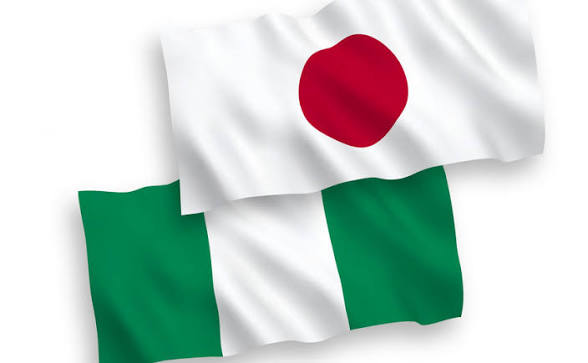
The Government of Japan, through the Japan International Cooperation Agency (JICA), has committed a substantial N20 billion (approximately 2.35 billion Japanese Yen) to the expansion and rehabilitation of Nigeria's national electricity grid, with the funding specifically targeted at the critical Apapa Transmission Substation in Lagos. The announcement, made on Wednesday, August 19, 2026, by JICA Chief Representative Ishigame Keiji, has sparked widespread optimism among Nigerians who have long endured the debilitating effects of an unreliable power supply on homes, businesses, and the broader economy.
Keiji, speaking in an interview with the News Agency of Nigeria (NAN) in Lagos, disclosed that the project is designed to rehabilitate and reinforce critical transmission infrastructure in Lagos, where rising electricity demand and ageing facilities have continued to affect reliable power supply. The Apapa Transmission Substation, he noted, occupies a vital position within Nigeria's transmission network, and the rehabilitation and reinforcement undertaken through this project have enhanced transmission capacity, improved operational reliability, strengthened grid stability, and reduced bottlenecks affecting power evacuation and distribution within Lagos and surrounding areas.
The project scope is comprehensive, covering construction works, equipment procurement, engineering services, operational training, and project implementation support necessary to achieve its objectives. Keiji explained that Japan, through JICA, is also implementing another Official Development Assistance (ODA) project through a concessional loan to enhance the transmission network in the Lagos-Ogun areas, while providing technical assistance and policy advisers to the Ministry of Power as part of its support for the development of Nigeria's power sector.
The JICA chief representative stressed that Nigeria's large market has continued to attract the interest of Japanese companies and other private-sector investors, and that stronger government support alongside private investment could contribute to improving the country's electricity infrastructure. "Nigeria has a big, huge market, and the private sector, including Japanese companies, is quite interested in investing in the country," Keiji said. He urged the Federal Government and private investors to pursue a balanced mix of on-grid, off-grid, and mini-grid solutions to improve electricity supply across the country, noting that JICA is collaborating with the World Bank to support the development of mini-grids, particularly in rural communities.
The N20 billion commitment comes at a critical time for Nigeria's power sector, which has been plagued by decades of underinvestment, ageing infrastructure, and systemic inefficiencies. The Apapa Transmission Substation, a key node in the national grid, has long been a bottleneck, struggling to cope with the demands of Lagos's industrial and commercial activities. The Japanese investment is expected to significantly boost transmission capacity in the region, reducing the frequent power outages that have stifled economic growth and frustrated millions of residents.
The announcement has drawn widespread praise from industry stakeholders and civil society groups, who have long called for increased investment in the country's power infrastructure. The project is expected to create jobs, stimulate economic activity, and improve the quality of life for millions of Nigerians who depend on reliable electricity for their daily needs. The Federal Government, through the Ministry of Power, has welcomed the Japanese commitment, describing it as a testament to the growing confidence of international partners in Nigeria's economic potential.
Keiji also disclosed that JICA has been collaborating with the Ministry of Power by deploying experts to support policy recommendations and institutional improvements, with the aim of contributing to the development of a more reliable and sustainable power sector in Nigeria. The agency is also working with the World Bank to support the development of mini-grids, particularly in rural communities, as part of a broader strategy to expand electricity access across the country.
The N20 billion investment is part of a broader expansion of economic and development cooperation between Nigeria and Japan, which has seen increased collaboration in various sectors, including infrastructure, agriculture, and technology. The Federal Government has previously announced that Japan had committed substantial resources to support Nigeria's development agenda, and the latest power-sector commitment is a significant addition to that partnership.
For Nigerians, the Japanese investment represents a glimmer of hope in a country where power outages have become a way of life. While the project is unlikely to solve all of Nigeria's power problems overnight, it is a significant step in the right direction, and a testament to what can be achieved when international partners and local stakeholders work together to address the country's most pressing challenges. As the project moves forward, all eyes will be on the Apapa Transmission Substation, where the lights of progress are finally beginning to flicker back to life.
📩 Stone Reporters News | 🌍 stonereportersnews.com
✉️ info@stonereportersnews.com | 📘 Facebook: Stone Reporters News | 🐦 X (Twitter): @StoneReportNew | 📸 Instagram: @stonereportersnews
Add comment
Comments