

Reported by: Ijeoma G | Edited by: Oravbiere Osayomore Promise.
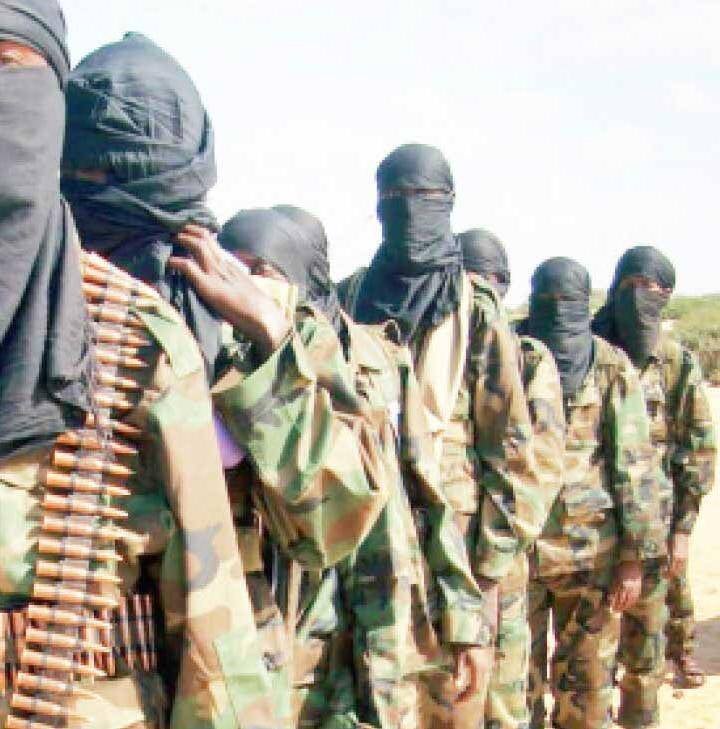
Devastating accounts from recently freed victims of the Woro community abduction have exposed a troubling reality: terrorist groups operating in the forests of North-Central Nigeria are being sustained by a sophisticated network of local traders who supply them with food, fuel, medicine, clothing and motorcycles at highly inflated prices. The revelation, made by relatives of some of the 176 women and children abducted during the February 3, 2026, attack on Woro and neighbouring Nuku communities in Kaiama Local Government Area of Kwara State, has raised urgent questions about civilian complicity in the region's deepening security crisis. According to accounts shared exclusively with SaharaReporters on Friday, August 21, 2026, the terrorists, believed to be members of Boko Haram, have been able to maintain their operations deep inside the Kainji Lake National Park forest and surrounding areas largely because of the regular supply of essential goods from communities living on the fringes of the forest.
A relative of two of the freed victims, who spoke on condition of anonymity, told SaharaReporters that his aunt and sister recounted how the terrorists depended heavily on supplies brought to them by people living in communities close to the forests. "My aunt and my sister told us that the terrorists were being supplied by people living in communities around the forest," the relative said. "They were taking food, medicine and clothes to them and selling them at very high prices. The terrorists were buying because they needed these things to survive". He said the regular availability of supplies from surrounding communities was one of the reasons the terrorists were able to maintain their operations from the forest despite the difficult terrain. The relative further alleged that some members of the terrorist groups occasionally came out of the forest to purchase goods from local markets, with some traders allegedly knowing the identities of the buyers but continuing to do business with them.
The supply chain, according to the source, extends beyond food and medicine to include fuel, motorcycles, clothing and other essential items that enable the terrorists to move around, feed their members and maintain their presence in the forests. "They frequently buy motorcycles. They also have people supplying them fuel and taking it into the bush," the relative said. "It is not only food. They get fuel, motorcycles, medicine, clothes and other things through these people. They are paying high prices for them, but they can afford it because they need those things to continue operating". The revelation aligns with earlier accounts from vigilante leader Lanre Lawal, who told TruthNigeria that the kidnappers operated through organized supply networks. "They collected food from nearby villages. They appointed couriers who brought supplies specifically for them," Lawal said.
The latest disclosure comes amid growing questions over the support networks sustaining terrorist groups operating in forests across parts of North-Central Nigeria. The accounts also raise concerns about how terrorists are able to maintain access to essential supplies despite security operations and the prolonged presence of victims in their custody. The Woro abductees, who were rescued in early August 2026 after spending nearly six months in captivity, have provided harrowing details of their ordeal. Speaking on behalf of the survivors on Friday, August 7, 2026, Nafisat Abdulfatai disclosed that at least 13 abductees died during captivity, while 12 children remain in the custody of their captors. "13 people died among us during our time in captivity. Twelve children are still with the terrorists. They were not released with us because the abductors had threatened that those who tried to leave would become slaves," Abdulfatai said.
The captives endured severe hunger throughout their stay, surviving on one meal a day, with meals prepared with only salt and no oil or other ingredients. "Most days, we ate only once. Our meals were prepared with only salt – there was no oil or other ingredients. We survived mainly on 'luru' soup. Many of us ended up eating things we never imagined we would eat in our lifetime," Abdulfatai said. She also recounted the harsh living conditions in the forest, saying the captives initially slept in the open until the terrorists erected a makeshift shelter after several children died. "The first rainfall came while we were completely exposed, and it ended while we were still there. It was only after some children died that they erected a makeshift shelter," she said.
The February 3 attack on Woro was one of the deadliest incidents in Kwara State in recent years. Suspected Boko Haram terrorists, who stormed the villages on motorcycles after residents rejected their extremist ideology, killed more than 165 people, razed homes, shops and the palace of the traditional ruler before abducting scores of residents. The abductees were held in a forest camp in the Kainji Lake National Park area, where they were subjected to unimaginable suffering. Some women gave birth in captivity, but not all of the babies survived. The rescued victims were formally received by the Kwara State Government in Ilorin on Friday, August 7, 2026, and are currently receiving medical attention.
The development also comes amid controversy over the circumstances surrounding the release of the Woro abductees. A relative of some of the freed victims told SaharaReporters that two members of his family claimed to have witnessed a helicopter delivering money to the terrorists shortly before the abductees were released. "When they heard that the government was saying they were rescued and that no money was paid, they were shocked because they saw what happened," the relative said. "They said a helicopter came while they were in captivity and money was brought to the kidnappers. They saw it, but they were not allowed to touch the money". The alleged delivery reportedly occurred about four or five days before the victims were released.
The conflicting accounts of ransom payments have further complicated the narrative surrounding the rescue. Chief Oladayo Okunola, a Woro community leader, said families raised ₦155 million to secure the release of the captives, but the kidnappers rejected the money, saying it was not enough. The Kwara State Police Command confirmed the release of 176 victims after security operations involving multiple agencies, but authorities did not report arrests or confirm whether camps linked to the kidnappers were destroyed. Security analyst Mouroof Akani warned that rescuing victims without arrests could encourage future attacks. "Rescue is important because lives are saved. But the bigger task is breaking the structure that makes these kidnappings possible," he said.
As the freed victims begin the long process of healing and reintegration, the revelations about local traders supplying terrorists have cast a dark shadow over the communities surrounding the forests. The accounts raise uncomfortable questions about the extent of civilian collaboration with terrorist groups and the failure of security agencies to disrupt the supply chains that sustain them. For the people of Woro and neighbouring communities, the return of their loved ones is a moment of relief, but the knowledge that their own neighbours may have been complicit in their suffering is a wound that will take far longer to heal. The Nigerian government and security forces must now confront the uncomfortable reality that the war against terrorism is not only being fought in the forests but also in the markets and villages where greed has trumped loyalty and survival has been traded for profit at the expense of innocent lives.
📩 Stone Reporters News | 🌍 stonereportersnews.com
✉️ info@stonereportersnews.com | 📘 Facebook: Stone Reporters News | 🐦 X (Twitter): @StoneReportNew | 📸 Instagram: @stonereportersnews
Add comment
Comments