

Reported by: Ijeoma G | Edited by: Oravbiere Osayomore Promise.
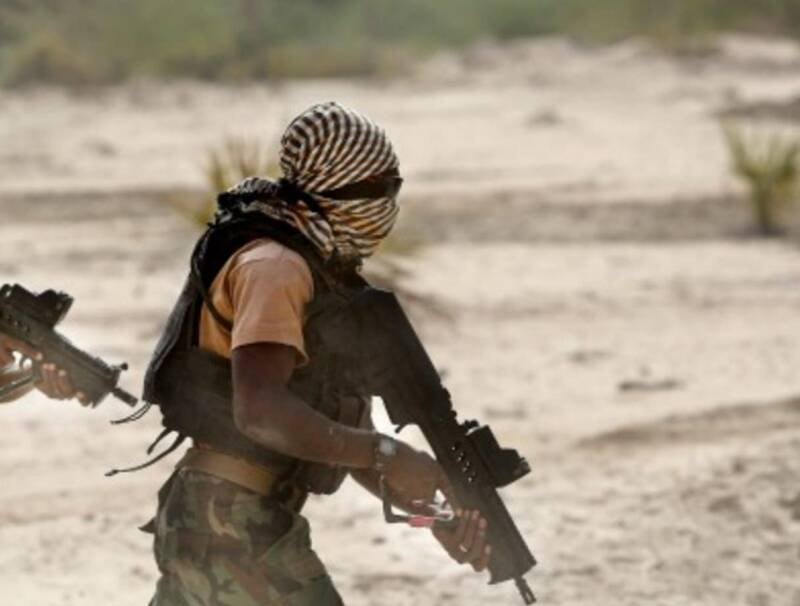
At least 15 police officers have been killed in a brazen attack on a gendarmerie station in southwest Niger, near the country's border with Nigeria and Benin, in the latest escalation of jihadist violence that has plagued the Sahel region for years. The attack occurred on Friday, August 21, 2026, targeting a security post near the town of Tessa in the Dosso region, a former local elected official told AFP on Saturday, August 22. The assailants, described as unidentified armed men on motorbikes, reportedly stormed the station, leaving a trail of destruction that included burnt-out vehicles and shelters within the gendarmes' compound, as captured in videos posted to social media by locals.
Although no group has yet claimed responsibility, the attack bears the hallmarks of jihadist groups affiliated with al-Qaeda or the Islamic State, which have increasingly expanded their operations into the border zones of Niger, according to the Armed Conflict Location and Event Data Project. The Tessa attack is the latest in a series of violent incidents that have destabilised the Dosso region, an area that became a new front for jihadist violence in 2025 as groups linked to al-Qaeda or IS moved into the territory. A local official confirmed the death toll of 15 to AFP, while a former elected official suggested the attackers "probably came from neighbouring Nigeria", underscoring the transnational nature of the insurgency that has turned the porous borders of the Sahel into a killing field.
The victims were buried on Saturday at a cemetery in the city of Dosso, their families and colleagues left to mourn yet another tragic loss in a conflict that has claimed thousands of lives and displaced millions across the region. The authorities in Niger, governed by a military junta for three years, have so far made no official statement on the attack, a silence that has drawn criticism from observers who argue that the government's inability to protect its security forces reflects a broader failure of governance and a deepening security crisis. The junta, which seized power in a coup in July 2023, has struggled to contain the violence that has engulfed the country, despite promises to restore order and reclaim territory from armed groups.
The attack on the gendarmerie station in Tessa is a stark reminder of the fragility of Niger's security architecture and the growing boldness of armed groups operating in the region. The Dosso region, which shares a border with Nigeria's Kebbi State and the Republic of Benin, has become a hotspot for cross-border raids, with armed groups exploiting the difficult terrain and limited state presence to launch attacks on security forces and civilian targets. The use of motorbikes by the attackers is a common tactic employed by jihadist groups, allowing them to move swiftly across the rugged landscape and evade detection by security forces. The fact that the attackers were able to storm a gendarmerie station, a symbol of state authority, and inflict such a heavy toll on security personnel, underscores the profound security vacuum that has allowed insurgent groups to flourish.
The attack comes amid a broader surge in violence across the Sahel, where jihadist groups have intensified their campaigns against state forces and civilian populations. In neighbouring Burkina Faso and Mali, similar attacks have become a near-daily occurrence, with armed groups tightening their grip on vast swathes of territory and challenging the authority of fragile governments. The international community has struggled to mount an effective response, with the withdrawal of French and UN forces from the region creating a security void that has been exploited by insurgent groups. The junta in Niger has sought to fill this void by forging closer ties with Russia and other non-Western powers, but the results have been mixed, with the security situation continuing to deteriorate.
The attack in Tessa also highlights the humanitarian toll of the conflict, with hundreds of people having fled their homes in the region following a series of attacks in mid-July, according to state media and local sources. The displacement of civilians has exacerbated an already dire humanitarian situation, with many families forced to seek refuge in overcrowded camps where access to food, water and healthcare is limited. The violence has also disrupted agricultural activities, leading to food shortages and economic hardship for communities already grappling with the effects of climate change and poverty. The international community has called for a renewed focus on addressing the root causes of the conflict, including governance deficits, economic marginalisation and the proliferation of small arms, but progress has been slow.
The Nigerien government's failure to issue a statement on the attack has raised questions about its commitment to transparency and accountability, as well as its ability to protect its citizens and security forces. Critics have pointed to the junta's authoritarian tendencies and its crackdown on dissent as factors that have undermined public trust and hindered efforts to build a cohesive national response to the insurgency. The silence from Niamey stands in stark contrast to the grief and anger expressed by local communities, who have borne the brunt of the violence and are demanding action from their leaders. The attack on the gendarmerie station is a wake-up call for the authorities, who must urgently reassess their security strategy and work to rebuild the confidence of a population that has grown weary of empty promises and unending violence.
As the bodies of the 15 fallen officers are laid to rest, the people of Niger are left to grapple with the grim reality that their country is under siege, and that the forces of terror and instability are growing bolder by the day. The attack in Tessa is a tragic reminder that the fight against jihadist violence is far from over, and that the sacrifices of security personnel alone will not be enough to bring peace to the region. The international community must step up its support for Niger and its neighbours, providing not only military assistance but also investment in governance, development and the rule of law. The people of the Sahel deserve better than a future defined by violence and fear, and the time for action is now.
📩 Stone Reporters News | 🌍 stonereportersnews.com
✉️ info@stonereportersnews.com | 📘 Facebook: Stone Reporters News | 🐦 X (Twitter): @StoneReportNew | 📸 Instagram: @stonereportersnews
Add comment
Comments