

Published by Osasere Edomwonyi Ikpoba
In a quiet corner of a neighbourhood in Yaba, seven-year-old Amina sits on a low wooden stool while an older woman rubs a thick, earthy herbal paste into her swollen right knee. For four agonising months, her mother, Fatimah, has watched her daughter’s energetic run slow down into a painful, persistent limp. When the swelling first appeared, Fatimah did not head straight for a teaching hospital. The nearest specialist clinic meant sitting through hours of heavy traffic, alongside the terrifying prospect of steep consultation fees, upfront laboratory deposits, and expensive scans. Instead, she walked down the street to a trusted local healer—a familiar face who offered flexible payments, spoke her native language, and gave immediate words of comfort.
Amina’s experience plays out in millions of homes across Nigeria. Local herbalists, community healers, and traditional bonesetters remain the primary entry point for medical care for an estimated 60 to 80 per cent of the population. Yet, beneath what looks like a simple sprain, a silent crisis often develops. When complex autoimmune conditions such as juvenile arthritis or lupus are mistaken for ordinary injuries, delays in getting expert medical care can alter a child’s life forever.
Public health leaders now argue that traditional medicine and modern hospital care do not need to fight each other. Instead, they can operate a collaborative referral system—one that recognises the deep community influence of traditional healers while ensuring that patients with serious conditions reach specialist hospitals in time. The question is not whether to integrate, but how.
Why Families Turn to Local Healers First
The strong preference for traditional health practitioners comes down to simple daily realities: convenience, cost, and culture. Traditional healers live in the same neighbourhoods as their patients, saving families expensive journeys and lost workdays. Unlike modern hospitals that demand cash payments upfront before a child is even seen, local practitioners readily accept instalment plans or non-monetary agreements. Beyond the money, local healers talk to parents without clinical jargon, sharing the same cultural background and offering emotional support during moments of panic.
Recognising this deep community influence, bodies like the Lagos State Traditional Medicine Board have worked to register local practitioners, train traditional birth attendants, and enforce basic health guidelines. But registration alone is not enough. The real challenge lies in creating functional pathways that connect these community-based healers to the formal healthcare system.
The Real Danger Behind Temporary Relief
While herbal balms and massage therapies may briefly soothe surface swelling or dull the pain, they cannot fix complex internal illnesses. In conditions like juvenile arthritis, joint pain is merely an outward sign that the body’s immune system has malfunctioned. A local ointment might offer temporary comfort, but it cannot stop the immune system from attacking healthy cartilage, bones, and internal organs underneath.
Dr Ayodele Faleye, a consultant paediatrician and joint specialist at the Lagos State University Teaching Hospital (LASUTH), warns that the resulting delays can prove catastrophic. He points out that doctors routinely see children who have been managed in traditional clinics for up to seven years before receiving a proper medical diagnosis. By the time these young patients arrive at a specialist hospital, permanent joint deformities have set in that modern medicine can no longer reverse. The tragedy is not that parents sought help, but that the root cause went untreated for so long.
The Policy Framework: A Foundation for Integration
The Federal Government has already laid the groundwork for bridging this gap. The Nigerian Traditional Medicine Policy provides a framework for the sector’s development and integration into the national healthcare system, supported by the Ministry’s Department of Traditional, Complementary and Alternative Medicine, the 2025 Strategic Plan of Action for its implementation, and the Code of Ethics and Practice for Traditional Medicine Practitioners.
The Federal Government has also inaugurated a Ministerial Committee for the development of the Phytomedicine Value Chain, which will integrate traditional and modern medicine, create pathways for capacity building and knowledge exchange among stakeholders—including traditional healers—and develop a comprehensive framework for the commercialisation of phytomedicine products in Nigeria.
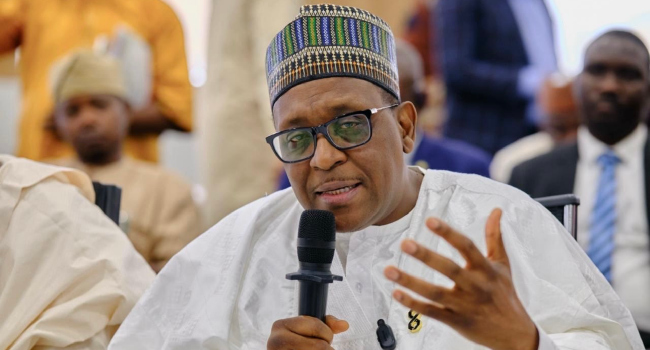
Minister of State for Health and Social Welfare, Dr Iziaq Adekunle Salako, has stressed that traditional medicine and modern medicine should not be viewed simply as competing systems. “Evidence demonstrates that they can work together safely and effectively,” he said, describing both as complementary components of a people-centred healthcare system.
Regulation and Licensing: The First Step
Experts and the World Health Organisation (WHO) have called for stronger regulation, better documentation, and the integration of traditional medicine into the national healthcare system to improve safety, quality, and accessibility. According to the WHO, Nigeria should establish or strengthen mechanisms for licensing traditional medicine practitioners and ensuring that they meet defined standards before their services are incorporated into the national healthcare system.
The Federal Government has already issued a stern warning to unlicensed traditional medicine practitioners across the country to desist from operating without proper authorisation, stressing that any individual or group found practising traditional medicine without a valid licence will face severe sanctions. This regulatory push is essential for ensuring that only safe and vetted practices are integrated into the formal health system.
Collaborative Models Already Working
Across Nigeria, successful models of collaboration are already emerging. In Anambra State, an informal collaboration between Ihiala General Hospital and a network of traditional herbalists has focused on treating chronic ulcers and malaria using local herbs vetted through years of empirical knowledge. When complications arise, referrals are made to the hospital.
In Ibadanland, the Olubadan of Ibadanland, Oba Rasidi Adewolu Ladoja, has inaugurated a multi-stakeholder committee to institutionalise collaboration between traditional and orthodox medicine. The committee, comprising representatives of the Forestry Research Institute of Nigeria (FRIN), the Pharmaceutical Society of Nigeria, researchers, and other stakeholders, aims to ensure that both medical systems complement each other for effective healthcare delivery.
The Centre for Cultural Studies at the Federal University of Lafia has also organised a webinar series to revive dialogue between traditional healing practices and modern medicine. Experts at the meeting called for greater collaboration and integration of traditional medicine into Nigeria’s healthcare system.
Building a Two-Way Referral System
The most promising pathway for bridging the gap is the establishment of a formal, two-way referral system. When traditional healers are linked directly to local primary health centres and specialist units at hospitals like LASUTH or Ahmadu Bello University Teaching Hospital, patients can receive timely diagnosis and treatment before complications set in.
A study on tuberculosis management and referral practices among traditional medicine practitioners in Lagos found that 57.3 per cent had ever referred chronic cough patients to a health facility, and 90 per cent were willing to collaborate with the National Tuberculosis, Leprosy and Buruli Ulcer Control Programme in the identification and referral of presumptive TB patients. This willingness to collaborate is a critical asset that the government can build upon.
Traditional healers themselves have expressed openness to such partnerships. Isa Anbana, a traditional healer who participated in the Federal University of Lafia webinar, confirmed that traditional healers refer patients to hospitals when necessary and transfer knowledge to others who are obedient and abide by the terms and conditions.
Research, Documentation, and Standardisation
To achieve meaningful integration, Nigeria must invest in research, documentation, and standardisation. The Nigerian Herbal Pharmacopoeia, which documents over 200 medicinal plants and their uses, is a significant step in this direction. But more work is needed.
Experts have called for the establishment of a national herbal database, a standardisation framework for dosage and preparation, and the promotion of safe usage, proper dosing, and hygiene in traditional herbal practices. The WHO has also recommended capacity-building programmes for traditional medicine practitioners, particularly in areas such as infection prevention and control, and combining relevant aspects of biomedical training with traditional medicine practice.
Professor Martins Emeje, Director-General of the Nigeria Natural Medicine Development Agency (NNMDA), who was recently appointed Co-Chair of the WHO’s Strategic and Technical Advisory Group on Traditional, Complementary and Integrative Medicine, has stressed that the major challenge is not opposition from medical doctors to traditional medicine, but ensuring that traditional medicine practices are properly regulated and backed by scientific evidence.
A Shared Responsibility
Bridging the gap between traditional healers and specialist hospitals is not the responsibility of government alone. It requires a shared commitment from traditional medicine practitioners, modern healthcare professionals, researchers, regulators, and communities. As the Minister of State for Health has stressed, the future of traditional medicine must be built on rigorous research, effective regulation, quality assurance, ethical practice, documentation, and continuous evaluation.
For families like Fatimah’s, the stakes could not be higher. A collaborative healthcare system that respects the cultural role of traditional healers while ensuring that patients with serious conditions reach specialist hospitals in time would mean that children like Amina receive the right care at the right time—before a treatable condition becomes a lifelong disability. The framework exists. The willingness is there. What remains is the political will and sustained investment to turn this vision into reality.
📩 Stone Reporters News | 🌍 stonereportersnews.com
✉️ info@stonereportersnews.com | 📘 Facebook: Stone Reporters News | 🐦 X (Twitter): @StoneReportNew | 📸 Instagram: @stonereportersnews
Add comment
Comments