

Reported by: Oahimire Omone Precious | Edited by: Oravbiere Osayomore Promise.
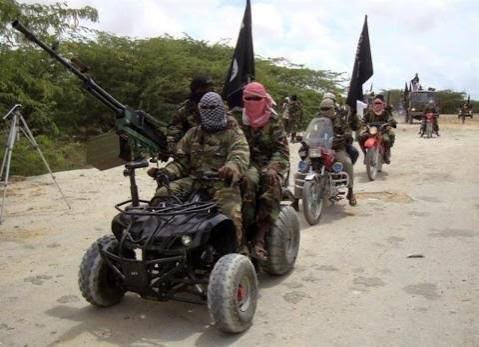
A ceasefire agreement between the Nigerian government and the jihadist group Boko Haram has reportedly been in effect for the past three months, kept entirely out of public view, and is now expected to be extended for another 40 days. The truce, first revealed by The New Humanitarian on September 7, 2026, was linked to negotiations that secured the release of 360 civilians abducted from Ngoshe village in Borno State. But two sources familiar with the arrangement have warned that the pause in hostilities may be serving a darker purpose: allowing Boko Haram to strengthen its position and potentially move equipment into the Mandara mountains, the rugged terrain along the Cameroon border where the group has long maintained enclaves.
The deal was reportedly struck in June, following months of back-channel talks over the hostages taken during a Boko Haram attack on a nearby army base in March. Three people with contacts among Boko Haram members, some of them senior figures, independently confirmed to The New Humanitarian that a truce had been in place since June. Communities in the Ngoshe area, which have regularly suffered Boko Haram predation, told the publication that attacks have stopped since the ceasefire began. The deal that secured the villagers' release also reportedly included a ransom payment of five billion naira, equivalent to about 3.7 million dollars, a transaction the Nigerian government has denied amid separate allegations that some of the money was misappropriated.
The warning about equipment movement is not new. Conflict researcher Malik Samuel, who has studied the insurgency extensively, said the agreement could be exploited by Boko Haram to improve its military position. He described the arrangement as potentially temporary and tactical, benefiting both sides without fundamentally altering the trajectory of the war. "I don't think it's a step towards a sustainable peace settlement," Samuel said. His assessment reflects a broader skepticism among analysts who have watched previous ceasefires collapse. The last known armistice between the government and Boko Haram was reached in 2022 or 2023, and it eventually broke down. A government security official familiar with the dialogue process confirmed that earlier truce, and its failure underscores the fragility of the current arrangement.
The reported ceasefire does not involve the Islamic State West Africa Province, Boko Haram's rival offshoot, which operates from the islands of Lake Chad and a rural stretch of northeastern Borno State. Clashes between the two groups have continued in the Sambisa Forest and around the Chingolo axis of Bama Local Government Area, where at least 23 fighters were killed in early September. This exclusion complicates any hope that the truce could serve as a stepping stone to a broader peace. Boko Haram is also divided into several factions, and the durability of the ceasefire may depend on the ability of its leader, Ibrahim Bakura Doro, to keep subordinate commanders aligned. Three factions have reportedly pledged allegiance to Bakura, including the Ali Ngulde faction, which was responsible for the Ngoshe kidnappings. If Bakura cannot hold them together, the truce could unravel quickly.
The Nigerian government's public position remains an emphatic rejection of negotiations with a group legally designated as a terrorist organisation. President Bola Tinubu has instead announced a major military buildup, promising 30,000 new recruits and four additional army divisions to provide what he called the teeth needed to defeat terrorism and banditry. But behind the scenes, sources say the government appears increasingly interested in dialogue, recognising that a military response alone has not resolved a conflict that has now stretched for 17 years. A diplomat familiar with the contacts said both sides believe a settlement is possible, though each continues to believe that improving its military position will strengthen its bargaining power.
That logic cuts both ways. While the government may see the truce as a chance to secure the release of hostages and reduce pressure on overstretched troops, Boko Haram may see it as an opportunity to regroup, resupply, and reposition fighters in the Mandara mountains. The sources who spoke to The New Humanitarian specifically warned that the group could use the pause to move equipment into the mountains, though the report did not specify what type of equipment was allegedly being moved. The absence of that detail makes the warning difficult to verify independently, but it aligns with the group's known behaviour during previous lulls in fighting.
The Defence Headquarters declined to comment on the report when contacted, leaving the military's position unclear. The government has also not responded to requests for verification. That silence, combined with the government's public denial of any talks with Boko Haram, creates a gap between what is being said in Abuja and what is reportedly happening on the ground. For communities in the Ngoshe area, the ceasefire has brought a measure of relief. But for a country that has lost close to 350,000 lives to this insurgency, the question of whether the truce is a genuine step toward peace or a dangerous pause that allows the enemy to prepare for the next round of violence remains unanswered. The extension of another 40 days will test whether the arrangement can hold, and whether the government can prevent it from becoming another failed experiment in back-channel diplomacy.
📩 Stone Reporters News | 🌍 stonereportersnews.com
✉️ info@stonereportersnews.com | 📘 Facebook: Stone Reporters News | 🐦 X (Twitter): @StoneReportNew | 📸 Instagram: @stonereportersnews
Add comment
Comments