

Reported by: Oahimire Omone Precious | Edited by: L. Stone
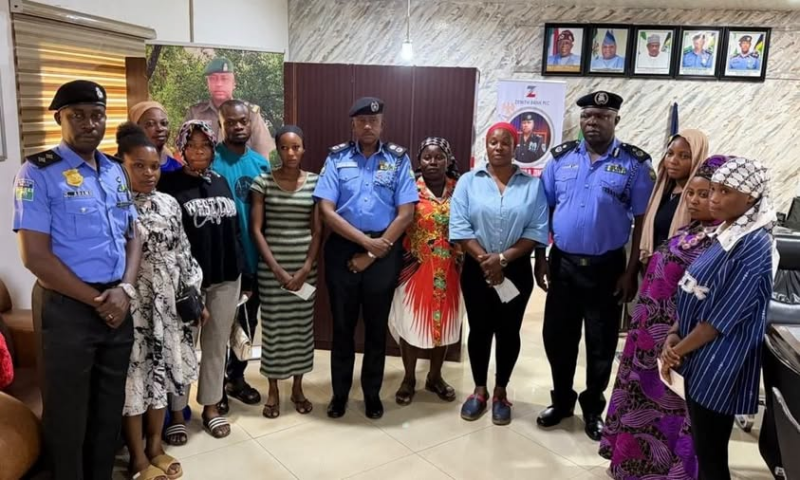
The Commissioner of Police in Osun State, CP Ibrahim Zungura, has presented welfare cheques totalling N13,531,081.10 to families of police officers who died while serving in the line of duty, in a move aimed at providing immediate financial support to their next of kin.
The presentation took place at the Osun State Police Command headquarters in Osogbo on Friday, September 18, 2026, according to reports citing the command. The intervention forms part of welfare support approved by the Inspector-General of Police, IGP Olatunji Rilwan Disu, for families of officers who lost their lives during service. The beneficiaries were received by Zungura at his office, where he conveyed condolences and acknowledged the sacrifices made by the deceased personnel. The presentation was conducted as part of the Force’s continuing welfare efforts for dependants of officers who paid the ultimate price while carrying out official responsibilities.
The Commissioner told the bereaved families not to lose hope, stressing that the Nigeria Police Force remained a family that continued to stand with its personnel and their dependants after service. He urged the beneficiaries to use the money prudently, particularly to meet immediate needs arising from the loss of their loved ones.
Zungura also described the financial assistance as an expression of the police authorities’ commitment to the welfare of personnel and their families. He said the support was intended to ensure that families of officers who died in the course of protecting the public were not abandoned after their loss.
The Commissioner further assured the beneficiaries that the Osun State Command would continue to provide support within its capacity. He also encouraged the families to remain proud of the service rendered by their relatives and prayed for strength and comfort as they cope with their bereavement and rebuild their family lives.
The presentation comes against the wider challenge of police welfare in Nigeria, where officers routinely work in difficult and sometimes dangerous conditions. Police personnel are deployed to respond to armed attacks, kidnappings, communal violence, robbery, public disorder and other threats, often exposing them to significant operational risks.
Recent incidents in Osun have underlined those risks. In August, police said armed hoodlums attacked officers responding to a distress call in Ikire, resulting in the deaths of two civilians and injuries to two police officers. The police said an AK-47 rifle was taken from one of the officers during the incident and was subsequently used by the attackers. The command launched an investigation and deployed tactical and intelligence assets to identify those responsible.
The incident was one of several security concerns confronting the state. In September, police also opened an investigation into the shooting death of Olalekan Oyeyemi, popularly known as Emir Ajagungbade, in Ile-Ife. The command said it was working to establish the circumstances surrounding the incident and identify those responsible.
Such incidents illustrate the risks faced by officers even in states where security challenges are generally different from the insurgency, banditry and mass kidnapping affecting parts of northern Nigeria. Police personnel remain a frontline institution for responding to criminal threats, and deaths in service can leave families facing both emotional loss and financial uncertainty.
The welfare intervention therefore has significance beyond the individual cheques. For families who have lost a breadwinner, financial assistance can help meet immediate household expenses and provide temporary relief at a time of severe disruption. However, the amount received by each family and the circumstances of each deceased officer were not disclosed in the reports reviewed.
The Nigeria Police Force has continued to emphasise personnel welfare as part of efforts to improve morale and support officers and their dependants. In other states, similar welfare presentations have taken place in recent days. Radio Nigeria reported that the Oyo State Police Command presented insurance cheques to families of 48 officers who died in active service, with the payments described as part of the IGP’s welfare initiative.
The wider programme reflects an attempt by the police authorities to provide institutional support when officers die while performing their duties. For the families, however, no financial payment can replace the person they have lost. The assistance can only address some of the practical consequences of that loss.
For serving officers, welfare arrangements can also form part of the broader relationship between the institution and its personnel. Adequate support for dependants after a death in service may influence confidence that families will not be left without assistance if tragedy occurs. The effectiveness of such programmes ultimately depends on timely processing, transparent administration and whether eligible beneficiaries receive the support to which they are entitled.
The Osun presentation also comes at a time when security agencies across Nigeria continue to face pressure from multiple forms of criminality. The demands placed on police personnel extend from conventional crime fighting to counterterrorism support, protection of communities, crowd management and emergency response. These responsibilities require officers to operate in unpredictable environments, sometimes with serious consequences.
By presenting the cheques, Zungura placed the welfare of fallen officers’ families at the centre of the Osun Command’s public message. His appeal for the beneficiaries to use the money judiciously reflects the immediate purpose of the intervention: to provide practical assistance after the loss of their relatives.
For the families, the ceremony was therefore both a financial and symbolic acknowledgement of the service their loved ones rendered. The police leadership’s message was that the deaths of officers in service should not mean that their families disappear from institutional consideration.
The question now is whether such interventions can be sustained, expanded and delivered quickly enough to meet the needs of every police family that loses a loved one in service — and, beyond the cheques, what more can Nigeria do to ensure that those who risk their lives to protect the public are adequately supported while they serve and when they do not return home?
📩 Stone Reporters News | 🌍 stonereportersnews.com
✉️ info@stonereportersnews.com | 📘 Facebook: Stone Reporters News | 🐦 X (Twitter): @StoneReportNew | 📸 Instagram: @stonereportersnews
Add comment
Comments