

Reported by Ariajegbe Sylvia Esezobor
Yobe State Governor Mai Mala Buni and the Institute for Peace and Conflict Resolution have called for sustained investment in peacebuilding, dialogue, justice and inclusion as Nigeria prepares for the 2027 general elections, warning that peaceful democratic participation requires continuous effort beyond election periods.
The call was made on Monday in Abuja at the 2026 International Day of Peace Commemoration, organised around the United Nations theme, “Invest in Peace: For Everyone, Everywhere, Every Day,” the official theme for the 2026 observance. The event brought together representatives of government, the United Nations, civil society organisations and other stakeholders.
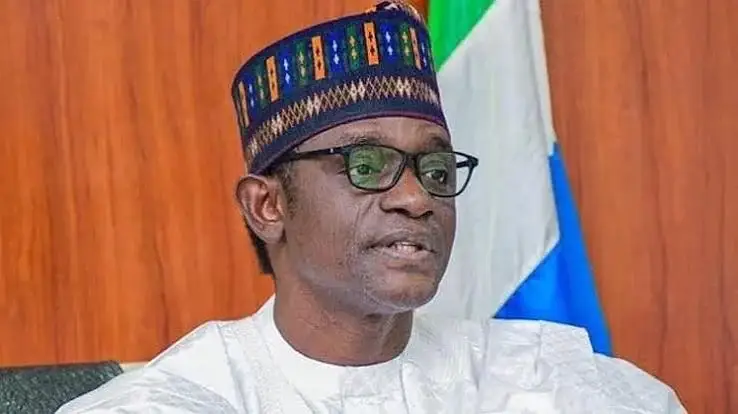
Represented by his Special Adviser on Security Matters, Brigadier-General Dahiru Abdulsalam (retd.), Governor Buni said Yobe State had deliberately strengthened its peace architecture in response to security and conflict challenges. He listed early warning and response mechanisms, the responsible use of technology to counter information disorder, capacity building in conflict management and peacebuilding, and peace education and dialogue across communities as key areas of investment. “As a reputable and responsible government in Yobe State, we have intentionally invested in peace architecture,” he said. He added that the interventions were being implemented despite activities by what he described as conflict entrepreneurs seeking to exploit divisions in society. He said Yobe was also contributing to the Renewed Hope Agenda of President Bola Tinubu’s administration, particularly in durable peace, improved security, economic resilience, inclusive growth and democratic consolidation.
In his welcome remarks, the IPCR Director-General, Dr Joseph Ochogwu, said the International Day of Peace should be viewed as a platform for practical action rather than a ceremonial observance. He said the global theme was a reminder that peace required continuous investment in people, institutions, dialogue and systems that promote fairness. “Peace is not a destination we reach once and for all, nor is it a seasonal intervention or a crisis response. It is a continuous investment – a daily commitment that must touch every citizen, every community, and every institution,” Ochogwu said.
Ochogwu said IPCR had domesticated the global theme for Nigeria through the lecture topic, “Renewed Hope Agenda: Investing in Peace for Democratic Stability – Everyday Pathways to Justice and Inclusion Ahead of Nigeria’s 2027 General Elections.” He said democratic stability was not limited to activities at polling stations but was built through daily practices of justice, fairness, inclusion, dialogue and respect for the rule of law. The IPCR boss said the institute had intensified election-related conflict prevention through its early warning and early response systems, engagements with political actors, traditional institutions, women and youth networks, and policy work on electoral violence mitigation. The institute has also publicly identified electoral violence prevention as part of its preparations for the 2027 elections.
The event was part of a broader schedule of activities marking the 2026 International Day of Peace. IPCR had earlier announced a series of programmes including religious prayers, a peace walk, a national peace lecture, humanitarian outreach and a novelty football match. A commemorative peace prayer was held on September 18 at the National Mosque in Abuja and nationwide, while another was scheduled for September 20. The institute also used the lead-up to the commemoration to call for legislative strengthening of peacebuilding frameworks. The Director-General urged the National Assembly to support laws that strengthen social unity and peaceful governance as the country confronts insurgency, banditry, communal violence, separatist agitations and other security threats.
The IPCR’s engagement on the 2027 elections has been sustained throughout 2026. In June, the institute partnered with Search for Common Ground and the Centre for Democracy and Development to launch a “Say No to Electoral Violence” campaign, urging Nigerians from all sectors to reject electoral violence and embrace peaceful, inclusive and responsible democratic participation. In August, IPCR convened a two-day training for Nigerian youths, urging them to reject hate speech, misinformation and intolerance as the country prepares for the polls. Ochogwu said young Nigerians should not be viewed merely as beneficiaries of peacebuilding initiatives but as active participants in conflict prevention and champions of dialogue. The institute has also strengthened its Conflict Early Warning and Early Response System to ensure preventive and proactive efforts to address conflict before it occurs, particularly ahead of the 2027 general elections.
The calls come amid heightened political activity across the country. The 2027 general elections are scheduled for January 16, with the presidential and National Assembly elections holding on that date, followed by the governorship and state assembly elections on February 6. The campaign season has already been marked by tensions, including reports of political violence in several states, defections and realignments across party lines, and disputes over the conduct of primaries. In this environment, the IPCR and the Yobe State Government have positioned themselves as advocates for a peaceful and inclusive electoral process, arguing that stability depends on sustained investment in justice and dialogue rather than reactive measures.
Governor Buni’s participation in the commemoration reflects Yobe State’s experience with conflict and its efforts to build resilience. The state has been on the front lines of the Boko Haram insurgency and has invested significantly in security and peacebuilding measures. The governor’s message emphasised that peace is a collective responsibility and that political actors must place national interest above personal ambition. He also urged religious leaders to preach peace, unity and hope rather than hatred or division, and called on citizens to support leadership and national institutions.
For the IPCR, the challenge lies in translating its advocacy into measurable reductions in electoral violence. The institute’s early warning systems and engagements with political actors are designed to prevent conflicts before they escalate, but the effectiveness of these mechanisms will be tested in the months ahead as the 2027 campaigns intensify. Ochogwu’s framing of peace as a daily commitment rather than a seasonal intervention captures the institute’s approach: that democratic stability is built through consistent practices of justice, fairness and inclusion, not merely through statements issued in the lead-up to elections. Whether that message resonates with political actors and the electorate will determine whether the 2027 polls are conducted in an atmosphere of peace or one of tension and violence.
📩 Stone Reporters News | 🌍 stonereportersnews.com
✉️ info@stonereportersnews.com | 📘 Facebook: Stone Reporters News | 🐦 X (Twitter): @StoneReportNew | 📸 Instagram: @stonereportersnews
Add comment
Comments