

Reported by: Ijeoma G | Edited by: Oravbiere Osayomore Promise.
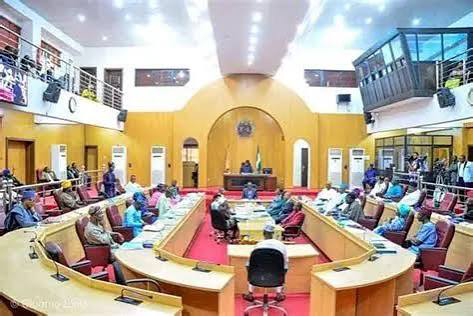
The Osun State House of Assembly on Tuesday, September 22, 2026, became the first state legislature in Nigeria to approve the proposed constitutional amendment for the establishment of state police, setting the stage for a nationwide ratification process that could fundamentally alter the country's security architecture. The resolution, adopted unanimously during plenary in Osogbo, followed deliberations on a bill transmitted to the 36 state houses of assembly by the National Assembly as part of the ongoing review of the 1999 Constitution. The approval represents a critical first step in the amendment process, which requires the endorsement of at least two-thirds of the states, or 24 assemblies, before the proposal can return to the National Assembly for final passage.
Reading the communication before the lawmakers, the Speaker of the Assembly, Rt. Hon. Adewale Egbedun, explained that the proposed amendment had been forwarded to the state legislatures for consideration and approval in accordance with the required legislative procedure. The bill seeks to amend the 1999 Constitution to provide for the establishment of State Police Services, creating a dual policing structure comprising federal and state police that would operate alongside each other. The proposal includes provisions covering command, oversight, and operational safeguards, a response to longstanding concerns about the concentration of policing powers at the federal level and the inability of the current system to address the country's diverse and localized security challenges effectively.
Contributing to the debate, Hon. Lawrence Adeoti, representing Ife-South State Constituency, and Hon. Taofeek Olayiwola of Ede-South State Constituency, backed the proposal, saying state police would strengthen security across the country. Other lawmakers, including Hon. Adewumi Adeyemi, representing Obokun State Constituency, and Hon. Jeremiah Awoyeye, representing Ife-Central State Constituency, described the proposal as timely and argued that it would strengthen security arrangements, particularly at the state and local government levels. They maintained that the proposed amendment would enhance the ability of states to provide adequate security personnel and respond more effectively to security challenges within their respective jurisdictions. The lawmakers said the establishment of state police services would provide an additional layer of security closer to communities and residents, a position that has gained traction across the country amid escalating kidnapping, banditry, and communal violence.
Following the debate, the Majority Leader of the House, Hon. Babajide Kofoworola, representing Ede-North State Constituency, moved a motion for the House to support the proposed amendment. The motion was seconded by Hon. Tajudeen Adeyemi, representing Ifelodun State Constituency. The Speaker, Adewale Egbedun, subsequently directed that the resolution of the House be communicated to the National Assembly as required under the constitutional amendment process. The approval by Osun is, however, only one stage in the process. For the proposed alteration to proceed, it requires the endorsement of at least 24 of the 36 state Houses of Assembly. The approved bill will then be returned to the National Assembly for final approval before being transmitted to the President for assent, in line with the directives of President Bola Tinubu.
The National Assembly had passed the State Police Creation amendment bill on June 24, 2026, before transmitting it to the states for consideration and approval. The Clerk to the National Assembly, Kamoru Ogunlana, had earlier communicated the transmission of the Constitution Alteration Bill to the 36 state Houses of Assembly. The proposed amendment is part of a broader effort to decentralise policing and create a framework under which states can establish their own police services, a proposal that has been debated for years but gained renewed urgency amid worsening security across Nigeria. Supporters argue that state police would improve intelligence gathering, reduce response times, and allow for policing that is tailored to local realities. Critics, however, have raised concerns about the potential for governors to abuse state police for political purposes, particularly ahead of the 2027 general elections. The proposed safeguards in the bill, including provisions on command and oversight, are intended to address these fears, but the debate over how much power states should have over their own police forces is far from settled.
The Osun Assembly's decision marks a significant moment in the constitutional amendment process. As the first state to approve the proposal, Osun has set a precedent that other states may follow. The coming weeks will determine whether the required 24 states will endorse the amendment or whether the proposal will stall amid political disagreements and concerns over its implications. For now, the Osun Assembly has made its position clear: it supports state police and believes the time has come for a new policing order in Nigeria. In another development during Tuesday's plenary, the House dissolved into the Committee of the Whole to consider further the Osun State Park Management System Bill, 2026. The committee considered proposed amendments and corrections to the bill, which were adopted to form part of the bill. The House subsequently adjourned the business of the day to Wednesday, September 23, 2026, when legislative activities are expected to continue.
📩 Stone Reporters News | 🌍 stonereportersnews.com
✉️ info@stonereportersnews.com | 📘 Facebook: Stone Reporters News | 🐦 X (Twitter): @StoneReportNew | 📸 Instagram: @stonereportersnews
Add comment
Comments