

Reported by: Ijeoma G | Edited by: Oravbiere Osayomore Promise.
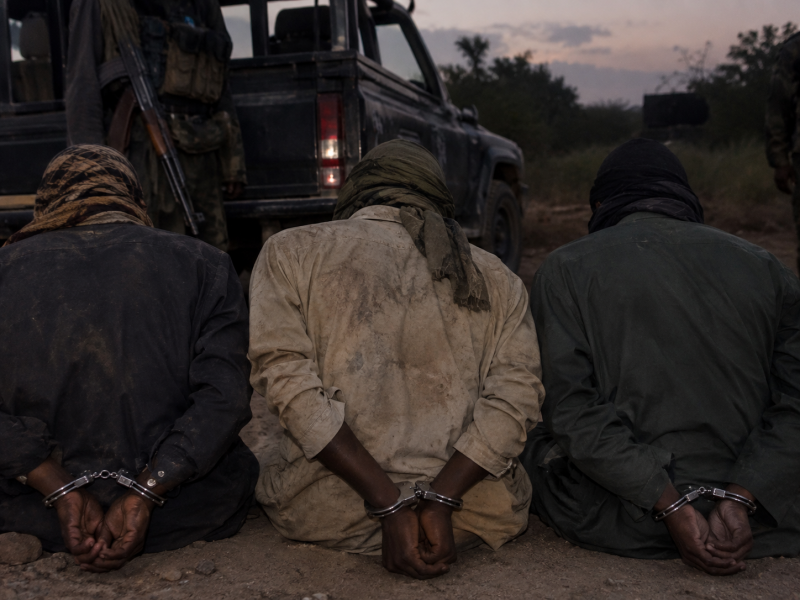
Four suspected Boko Haram terrorists are in military custody following a night ambush that intercepted their attempt to migrate to a new location in Gujba Local Government Area of Yobe State. The operation, conducted by troops of the 27 Task Force Brigade in collaboration with the Civilian Joint Task Force, took place at about 11:00 p.m. on September 21, 2026, and formed part of a series of sustained operations between September 15 and 22. The arrests were announced by the Acting Military Information Officer of the Joint Task Force North East, Operation Hadin Kai, Captain Mohammed Goni, in a statement on Tuesday, September 22.
According to the military, the troops laid an ambush east of Azare Village in Gujba after receiving credible intelligence on the movement of the suspected terrorists. Upon making contact, the troops engaged the insurgents in a fierce firefight, forcing some of them to flee into the surrounding bushes. Four of the suspects were subsequently arrested during the exploitation of the area. Blood traces discovered along the withdrawal route indicated that some of the fleeing terrorists may have sustained injuries during the encounter, though no bodies were recovered. The recovered items included four bicycles, a large quantity of groceries, one sheep, and expended 7.62mm special ammunition cases. The suspects and the recovered items have been taken into military custody for further investigation, while troops continue to exploit the area for additional intelligence and possible arrests.
The night ambush was not an isolated success. During the same period, troops of the brigade also arrested nine suspected drug dealers during a routine patrol in Buni Yadi, also in Gujba Local Government Area, on September 19. The suspects were allegedly found in possession of a large quantity of suspected illicit drugs and cannabis, two mobile phones, and N85,900 in cash. The military said the arrests were part of ongoing efforts to disrupt criminal activities capable of creating an enabling environment for terrorism and other violent crimes. The suspects and exhibits have since been handed over to the National Drug Law Enforcement Agency for further investigation and possible prosecution.
The cumulative operational successes recorded between September 15 and 22 also included the surrender of 11 suspected terrorists and the recovery of a vehicle, ammunition, and other logistics items. The military said the developments reflected the impact of sustained operational pressure on terrorist elements and their support networks across the North-East. It reaffirmed Operation Hadin Kai's commitment to sustaining operations to disrupt terrorist and criminal networks and deny them freedom of action across the Joint Operations Area.
The surrender of 11 terrorists during the same period is particularly significant. It suggests that the military's combination of kinetic operations and non-kinetic measures, including psychological operations and the encouragement of defections, is yielding results. The military has consistently maintained that the steady increase in surrenders is a direct result of sustained military pressure, degradation of terrorist capabilities, and effective non-kinetic measures. Since the beginning of 2026, hundreds of insurgents and their family members have surrendered to troops across the North-East, a trend that security analysts say reflects growing internal fractures within terrorist groups and the cumulative effect of military operations.
The interception of the Boko Haram fighters in Gujba is also notable because it disrupted what appeared to be a planned relocation. Terrorist groups frequently move between enclaves in the Sambisa Forest, the Mandara Mountains, and the Lake Chad Basin to evade military pressure, regroup, and launch attacks. The ambush east of Azare Village, a remote community in Gujba, indicates that the military had actionable intelligence on the movement and was able to act on it swiftly. The recovery of groceries and a sheep suggests that the terrorists were moving with supplies, likely preparing for an extended stay in a new hideout. The four bicycles recovered from the scene also point to the logistical constraints facing the insurgents, who often rely on motorcycles and bicycles for mobility in areas where vehicles cannot easily pass.
The collaboration with the Civilian Joint Task Force was critical to the success of the operation. The CJTF, composed of local volunteers who know the terrain and the communities, has become an indispensable partner in the fight against insurgency in Borno and Yobe states. Their involvement in the ambush demonstrates the importance of community-based intelligence and local knowledge in counter-insurgency operations. The military has repeatedly acknowledged the role of the CJTF and other vigilante groups in providing information, guiding troops, and holding ground in areas where the military presence is limited. However, the CJTF has also paid a heavy price, with many of its members killed in attacks by Boko Haram and ISWAP. The ambush in Gujba is a reminder that the partnership between the military and local security volunteers continues to yield tangible results, even as it exposes those volunteers to significant risk.
The arrests come amid a broader intensification of military operations across the North-East. In recent weeks, troops have rescued kidnapped victims, neutralised terrorists, and recovered weapons and ammunition in multiple operations across Borno, Yobe, and Adamawa states. The military has also reported the surrender of terrorist family members and the interception of logistics suppliers and collaborators. The cumulative effect of these operations is a steady degradation of the terrorists' operational capacity, even as the insurgency remains a potent threat. Boko Haram and ISWAP continue to carry out attacks on military formations, civilians, and humanitarian workers, and the security situation in the North-East remains fragile.
For the people of Gujba and surrounding communities, the arrest of the four suspects is a welcome development. Gujba has been a flashpoint for Boko Haram activity, including the May 8, 2026, attack on the Nigerian Army Special Forces School in Buni Yadi. The arrest of a suspect linked to that attack in August, and the latest arrests in September, suggest that the military is gradually dismantling the networks responsible for violence in the area. However, residents remain cautious. The terrorists have demonstrated a capacity to regroup and launch attacks despite repeated military successes. The military's ability to sustain the pressure, act on intelligence, and protect communities will determine whether the recent gains translate into lasting peace.
The four suspects arrested in the Gujba ambush are currently undergoing interrogation. The military has not disclosed their identities or their specific roles within Boko Haram. The investigation is expected to focus on establishing their involvement in past attacks, their connections to other terrorist cells, and any intelligence they may possess about planned operations. The military has also not ruled out the possibility that the suspects were part of a larger group that fled during the firefight. Troops remain in the area, exploiting the terrain and pursuing the fleeing elements. As Operation Hadin Kai continues its offensive, the message to the terrorists is clear: the military is watching, the noose is tightening, and the days of impunity in the North-East are numbered.
📩 Stone Reporters News | 🌍 stonereportersnews.com
✉️ info@stonereportersnews.com | 📘 Facebook: Stone Reporters News | 🐦 X (Twitter): @StoneReportNew | 📸 Instagram: @stonereportersnews
Add comment
Comments