

Reported by: Ijeoma G | Edited by: Oravbiere Osayomore Promise.
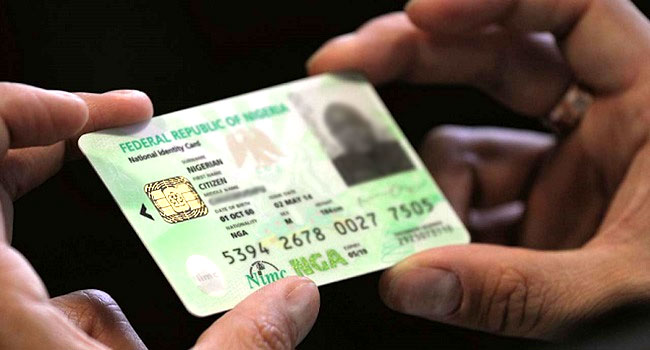
The National Identity Management Commission has firmly dismissed reports alleging that Nigeria's National Identification Number database was breached, describing the claims as false, unfounded, and recycled from a report first published in 2024. The commission's denial, issued on Thursday, September 24, 2026, follows the circulation of a viral video on social media claiming that NIN and Bank Verification Number details could be purchased for as little as N100, with some NIMC officials in Lagos allegedly selling individuals' NIN information for N1,000 outside the commission's office.
In a statement posted on its official X handle, NIMC said the National Identity Database had not been breached or compromised at any point. "The Commission wishes to state, categorically, that this claim is false and unfounded," the statement read. The commission added that it maintains robust, multi-layered security infrastructure to protect the personal data of registered citizens and legal residents in line with international best practices. NIMC also expressed concern over the circulation of unverified claims, warning that such reports could mislead the public and cause unnecessary panic.
The commission urged Nigerians to disregard the video's content and obtain information about the National Identity Management System only from NIMC's official channels. It also highlighted its recently launched NIN Authentication service, known as NINAuth, a web, API, and mobile verification service designed to strengthen data security and privacy. According to NIMC, NINAuth requires the explicit consent of NIN holders before their data can be shared for Know Your Customer processes or other verification purposes. "With NINAuth, individuals can securely verify their identity for services such as SIM registration, immigration and passport processing, tax filings, and financial transactions without unnecessarily exposing their raw NIN or personal data," the commission said.
NIMC said the initiative forms part of its compliance with the NIMC Act, 2026, and the Nigeria Data Protection Act, 2023, which provide for the fair, lawful, and transparent handling of citizens' personal data. The commission reiterated its commitment to protecting the identity information of Nigerians and legal residents, stating that it would continue working with security agencies and other relevant institutions to strengthen its systems and combat misinformation.
The commission's denial comes amid growing public anxiety over data privacy and the security of personal information held by government agencies. The viral video, which sparked widespread concern on social media, alleged that NIN and BVN details were being traded openly. NIMC's swift response is aimed at reassuring the public that the national identity infrastructure remains secure and that the claims circulating online are not new. According to the commission, the video is an old report from 2024 that had already been debunked, and its reappearance is an attempt to mislead Nigerians.
The controversy underscores the persistent challenge of misinformation in Nigeria's digital space, particularly regarding sensitive issues such as identity data and financial security. For a country where millions of citizens have registered for the NIN, which is now required for SIM registration, passport processing, tax filings, and financial transactions, any suggestion of a data breach is bound to generate alarm. NIMC's decision to address the claims directly, rather than ignore them, reflects a recognition that public trust in the identity management system is essential to the success of its mandate.
The commission has advised Nigerians with concerns about their NIN or personal data to contact it through its official channels. While the viral video continues to circulate, NIMC's message is clear: the database is secure, the claims are recycled, and the public should rely only on verified information from official sources. For now, the commission's swift rebuttal may help calm nerves, but the episode serves as a reminder that in an era of rising cyber threats and data breaches, the security of personal information is a matter of legitimate public concern that government agencies must address with both transparency and vigilance.
📩 Stone Reporters News | 🌍 stonereportersnews.com
✉️ info@stonereportersnews.com | 📘 Facebook: Stone Reporters News | 🐦 X (Twitter): @StoneReportNew | 📸 Instagram: @stonereportersnews
Add comment
Comments