

Reported by: Oahimire Omone Precious | Edited by: Oravbiere Osayomore Promise.
The Independent National Electoral Commission has issued an urgent warning to editors and newsroom managers across Nigeria, telling them to strengthen fact-checking and digital verification systems ahead of the 2027 general elections, because artificial intelligence is about to make the disinformation problem much worse than anything the country has faced before.
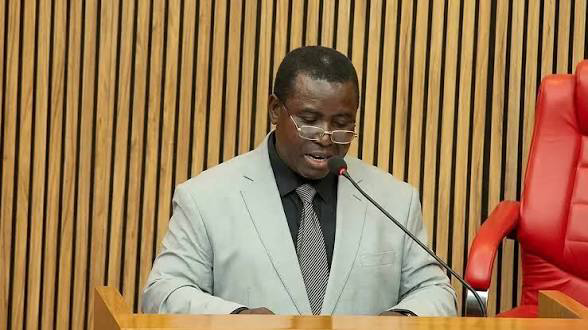
INEC Chairman, Professor Joash Amupitan, SAN, gave the warning on Thursday, September 24, 2026, at the 22nd All Nigeria Editors Conference in Enugu. He was represented at the conference by the Enugu Resident Electoral Commissioner, Dr Chukwuemeka Chukwu. Amupitan told the gathering that generative AI, voice cloning, manipulated videos and fabricated election result documents could be used to impersonate electoral officials and create the appearance of false election outcomes. He said these tools are now cheap, accessible and increasingly difficult to detect, making the media's role as a verifier more critical than ever.
"We are not talking about photoshop anymore. We are talking about software that can make a video of a person saying things they never said, in their own voice, with their own face. This is the reality we must prepare for," Amupitan said.
He called on media organisations to establish specialised fact-checking desks, deploy digital forensic tools and verify election-related information before publication. He said the rush to be first could destroy public trust if journalists fail to confirm what they are reporting. He also cautioned media organisations against publishing or amplifying privately collated election results before official declarations by the commission. He said premature publication of unofficial figures could create conflicting narratives and undermine confidence in officially declared results, urging editors to prioritise accuracy over the pressure to be first.
"Once you put out a wrong result, even if you correct it later, the damage is done. People will hold on to the first thing they saw," he warned.
Amupitan disclosed that INEC has established an Artificial Intelligence Division within its ICT Department and commenced deploying AI auditing tools in its Results Management process. He said the technology would operate under the commission's AI Governance Framework with human oversight, ensuring that machines do not replace human judgement in the electoral process. The framework is designed to detect anomalies, verify result uploads, and flag suspicious content in real time.
He also urged media organisations to train journalists to identify synthetic content and strengthen collaboration against election-related disinformation. He said INEC was willing to work with media houses, fact-checking organisations and technology companies to build a coordinated response to the threat.
The warning comes as Nigeria prepares for the 2027 general elections, with political activities already intensifying across the country. The Independent National Electoral Commission has scheduled the presidential and National Assembly elections for January 16, 2027, with governorship and state assembly elections to follow on February 6, 2027. Campaigns are expected to begin in earnest in the coming months, and the airwaves and social media platforms are already filling with political content.
The stakes are high. In 2023, Nigeria's elections were marred by widespread disinformation, with fake results, manipulated images and false claims about candidates spreading rapidly on WhatsApp, Facebook, X and TikTok. The 2027 election is expected to be even more vulnerable, given the rapid advancement of AI tools that can generate realistic videos, audio recordings and documents at the click of a button.
The implications for Nigeria's democracy are profound. If voters cannot trust what they see and hear, they may lose confidence in the electoral process altogether. If false results are published before official declarations, they could trigger violence or legal challenges that undermine the credibility of the outcome. If deepfakes of candidates or electoral officials go viral, they could sway public opinion in ways that are difficult to reverse.
INEC's decision to establish an AI Division and deploy auditing tools is a recognition that the commission cannot fight this battle alone. But technology alone will not solve the problem. The media has a critical role to play. Editors and newsroom managers must invest in training, tools and processes that allow them to verify information quickly and accurately. They must resist the pressure to be first and prioritise being right. They must work together, sharing information and resources, to counter the spread of false content.
The All Nigeria Editors Conference, organised by the Nigerian Guild of Editors, is an annual gathering of media leaders from across the country. This year's theme focused on the role of the media in safeguarding democracy. Amupitan's warning was a centrepiece of the event, and it was clear that the editors in attendance understood the gravity of the challenge.
As Nigeria moves closer to 2027, the battle for truth will be fought in newsrooms, on social media platforms and in the minds of voters. INEC has sounded the alarm. The question now is whether the media will heed it. If they do not, the consequences could be devastating. If they do, Nigeria may yet have a chance to hold an election that Nigerians can believe in.
📩 Stone Reporters News | 🌍 stonereportersnews.com
✉️ info@stonereportersnews.com | 📘 Facebook: Stone Reporters News | 🐦 X (Twitter): @StoneReportNew | 📸 Instagram: @stonereportersnews
Add comment
Comments