

Reported by Ariajegbe Sylvia Esezobor
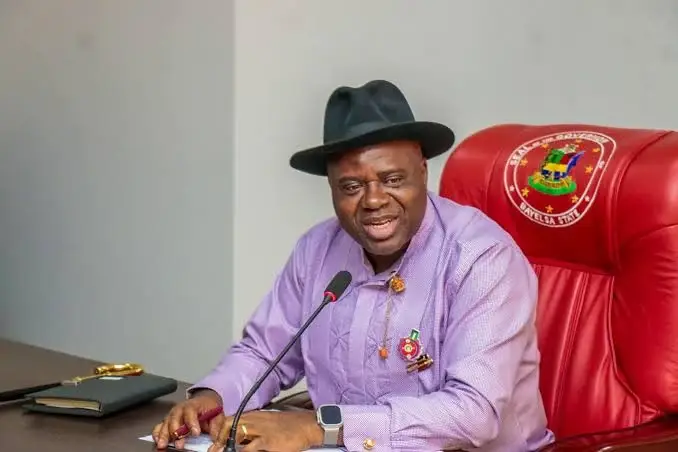
Bayelsa State Governor Douye Diri has described as unfair and unacceptable a situation where communities that bear the cost of the nation's wealth are left without the care they need to remain healthy and productive, as he inaugurated an 18-member steering committee for the establishment of the Bayelsa Cancer Treatment and Research Centre at Government House, Yenagoa.
Represented by his deputy, Dr Peter Akpe, the governor said cancer was no longer a distant disease in communities across the state, linking its rising prevalence to decades of oil pollution and the long-term health consequences of environmental degradation. "Let me begin with the plain truth: Cancer is no longer a distant disease in our communities," Diri said. "Almost every family in this hall has a story: a mother diagnosed too late; a brother who traveled to Lagos, Abuja or abroad and spent everything they owned on treatment." He said breast, cervical and prostate cancers were taking the lives of Bayelsans in their most productive years, and that too many of those deaths occurred not because the disease could not be treated, but because treatment was too far away, too expensive or came too late.
The governor said Bayelsa carried an additional burden from oil production. "Decades of oil pollution have left their mark on our land, our water, and we fear, on the health of our people. The Bayelsa State Oil and Environmental Commission Report of 2023 raised serious concerns about the long-term health consequences of that exposure," he said. "We will not accept a situation where our communities bear the cost of the nation's wealth and are then left without the care they need. Therefore, a cancer treatment centre in Bayelsa State is not a luxury; it is a matter of health justice."
The commission's health impact study involved the collection and analysis of 1,600 blood samples from residents in four local government areas. A separate toxicological audit reported in May 2026 found that communities in high-exposure areas experienced significantly higher cancer rates and other health complications, findings that have added to longstanding concerns over the health burden faced by oil-bearing communities in the Niger Delta.
Diri charged the committee with making an empirical assessment of the cancer burden in the state and recommending the most suitable location for the centre, as well as equipment, infrastructure, partnerships and financing options. He also tasked the members with planning for competent manpower, maintenance, training, accessibility to the facility and a steady supply of drugs and consumables. "You were chosen on account of your competence and years of experience," he told them.
The committee is chaired by the Commissioner for Health, Professor Seiyefa Brisibe. The other members are Dr Jones Stow, Professor Jumbo Johnbull, Dr Boboye Ifie, Dr Oluwadare Marcus, Dr James Omietimi, Dr Ebikapaye Okoyen, Dr Ngowari Torunana, Mrs Beatrice Olomiete, Honourable Kingsley Kuku, Dr Ibimonye Porbeni, Mr Nimifagha Esindu, Professor Kelvin Kiridi, Dr Timipa Peregha-West, Magdalene Alabinte, Professor Beleudanyo Fente, Dr Elizabeth Obiorah and Dr Embeleakpo Apere.
Speaking on behalf of the steering committee, Brisibe thanked the governor for entrusting the members with the responsibility of establishing a world-class cancer treatment centre in Bayelsa. He said the inauguration demonstrated the administration's commitment to improving the health and well-being of residents, and described cancer as a growing health and economic burden on families in the state that required a coordinated response involving people with relevant expertise. "Families in Bayelsa endure the excruciating financial, physical and emotional toll of travelling outside the state and often outside the country, just to access basic diagnostic and therapeutic cancer care. This will end with the mandate for the work we are about to begin," he said. He added that the burden of cancer could no longer be managed with half measures, which informed the careful selection of members with the required expertise.
The establishment of the committee comes amid a broader reckoning with the health costs of oil production in the Niger Delta. Bayelsa has for years faced environmental challenges linked to oil exploration, including oil spills, gas flaring and contamination of soil and water. The Bayelsa State Oil and Environmental Commission's 2023 report documented the environmental and human-health impacts of pollution across the state, including the presence of hydrocarbon-related toxins in soil, water, air and the food chain. In May 2026, a stakeholder meeting in Yenagoa brought together public health experts, environmental scientists, medical practitioners, policymakers and community representatives to discuss the health impacts of fossil-fuel pollution, including cancer and other illnesses.
For the people of Bayelsa, the proposed cancer centre represents a long-overdue response to a crisis that has been documented for years but met with inadequate action. The state currently lacks comprehensive cancer treatment facilities, forcing patients to travel to Lagos, Abuja or abroad at enormous cost. The committee's mandate is to change that reality by producing a detailed roadmap for a facility capable of providing diagnosis, treatment and research within the state. The coming months will determine whether the committee's recommendations translate into a functioning centre, and whether the promise of health justice that Diri has articulated becomes a tangible reality for the communities that have borne the environmental cost of Nigeria's oil wealth.
📩 Stone Reporters News | 🌍 stonereportersnews.com
✉️ info@stonereportersnews.com | 📘 Facebook: Stone Reporters News | 🐦 X (Twitter): @StoneReportNew | 📸 Instagram: @stonereportersnews
Add comment
Comments