

Reported by Ariajegbe Sylvia Esezobor
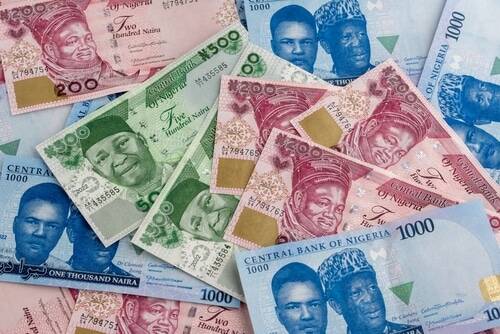
The Central Bank of Nigeria has urged Nigerians, particularly traders, to handle the naira with care, pride and dignity, saying the currency is a symbol of the country's sovereignty and that its condition in circulation reflects the character of the nation.
The Director of Currency Operations and Branch Management, Dr Adedeji Adetona, gave the advice on Monday during a roadshow and public awareness campaign on the proper handling of the naira at Galadima Market in Kano, according to a statement by the apex bank. Adetona, who was represented by the Deputy Director of the Currency Operations Department, Ibrahim Yahya, said the sensitisation was aimed at taking the message of proper currency handling directly to people who frequently engage in cash transactions. "The key message is about proper handling of the naira. The naira is the symbol of our sovereignty. It is our national pride, and we need to handle the naira very carefully and effectively," he said.
The campaign comes amid persistent concerns over the abuse of the naira, which the CBN has repeatedly identified as a drain on public resources. Adetona said the CBN and, by extension, the Federal Government spend substantial resources replacing currency notes that become dirty, soiled, spoiled or mutilated. He explained that proper handling would extend the lifespan of banknotes and reduce the resources required for replacement. "We believe that by handling the naira carefully, we are extending the lifespan of that naira and, by extension, saving a lot of money in terms of replacement of the naira," he said.
Kano was selected as the starting point for the sensitisation campaign because of its strategic importance as a centre of commerce that records substantial cash transactions, making traders key stakeholders in efforts to protect the currency. The CBN team visited Galadima Market, Sabon Gari Market, Abattoir, Yankaba Market, Tarauni Market, Yan Lemo and Dawanau International Grains Market as part of the exercise. Adetona said traders receive and handle cash frequently from customers and, in many cases, accumulate the money before taking the proceeds to banks, making them an important starting point for achieving the objective of protecting the naira. "We believe the market is the major place for exchange transactions. People bring cash, and we understand the strategic nature of Kano in terms of commerce," he said.
The Chairman of the Galadima Market Traders Association, Shu'aibu Suleiman, pledged the cooperation of the market leadership in sensitising traders, particularly small-scale sellers, on the proper handling of banknotes. He welcomed the campaign, saying the market's large number of small traders, including fish sellers, would benefit from the initiative. He called for continuous public awareness to encourage responsible handling of the naira.
The campaign is the latest in a series of efforts by the CBN to address the abuse of the national currency. In June 2026, the Governor of the Central Bank of Nigeria, Olayemi Cardoso, launched the CBN Naira Ambassadors Club, a campaign aimed at promoting respect for and proper handling of the naira among young Nigerians. The club was inaugurated with 175 students drawn from seven secondary schools across the Federal Capital Territory, who were selected as pioneer members and tasked with advocating proper currency handling in their schools and communities. Cardoso said at the launch that every Nigerian has a responsibility to treat the naira with respect, noting that every nation takes pride in its currency because it represents more than a medium of exchange. "It embodies national sovereignty," he said.
The CBN has consistently warned that naira abuse undermines national pride and places unnecessary financial pressure on the country. Under Section 21 of the CBN Act 2007, all acts that constitute naira abuse are punishable by imprisonment for a term of not less than six months or a fine of not less than ₦50,000, or both. The Act specifically prohibits spraying, dancing or matching on the naira during social occasions, describing such acts as abuse and defacing of the currency. The Economic and Financial Crimes Commission has secured convictions against individuals for naira abuse in 2026, including a Kano TikToker and musician who were each sentenced to five months' imprisonment with an option of a fine of ₦200,000. In July 2026, a High Court in Delta State convicted 12 individuals for naira abuse and mutilation.
The economic dimension of the problem is significant. The CBN spends billions of naira annually to replace soiled and mutilated banknotes, resources that could otherwise be deployed to other public priorities. The central bank has argued that the poor condition of notes in circulation reflects not only on the currency but on the country itself, and that restoring the quality of the naira requires a collective effort from all segments of society. The market sensitisation campaign is designed to reach the traders and cash handlers who are most directly involved in the circulation of banknotes, on the theory that responsible handling at the point of exchange is the most effective way to extend the life of the currency.
For the CBN, the campaign represents a shift towards a more grassroots approach to currency management. The Naira Ambassadors Club targets young Nigerians in schools, the market roadshows target traders and cash handlers, and the CBN Fair, held in Bauchi in August 2026, engaged the general public on the legal and economic consequences of naira abuse. Together, these initiatives form a multi-pronged strategy that combines public education with enforcement. The CBN has said it will continue to engage relevant stakeholders and intensify awareness on the need to preserve the naira.
For Nigerians, the message from Kano is straightforward. The naira is more than a medium of exchange. It is the symbol of Nigeria's sovereignty and a reflection of the country's collective identity. Handling it with care, pride and dignity is not merely a matter of good manners. It is a legal obligation, an economic necessity and a statement about the kind of nation Nigerians want to build. As Adetona put it, the naira is Nigeria's national pride, and it must be handled carefully and effectively.
📩 Stone Reporters News | 🌍 stonereportersnews.com
✉️ info@stonereportersnews.com | 📘 Facebook: Stone Reporters News | 🐦 X (Twitter): @StoneReportNew | 📸 Instagram: @stonereportersnews
Add comment
Comments