

Reported by: Ijeoma G | Edited by: Oravbiere Osayomore Promise.
Only 22 of 290 primary healthcare centres listed as revitalised across six Nigerian states have functional ambulances, according to a field investigation by Orodata Science.
The finding is contained in the organisation’s 2026 PHC Operational Capability Report, which examined the actual condition and operational readiness of facilities listed as revitalised by government.
The assessment covered primary healthcare centres in Abia, Benue, Cross River, Kano, Osun and Taraba states. Researchers physically visited 290 facilities and assessed areas including infrastructure, electricity, water supply, staffing, equipment, services and emergency response capacity.
Presenting the findings at a town hall meeting in Lagos, Orodata’s Research and Analytics Team Lead, Hannah Naiyeju, said the investigation uncovered substantial gaps between facilities described as revitalised and their actual condition.
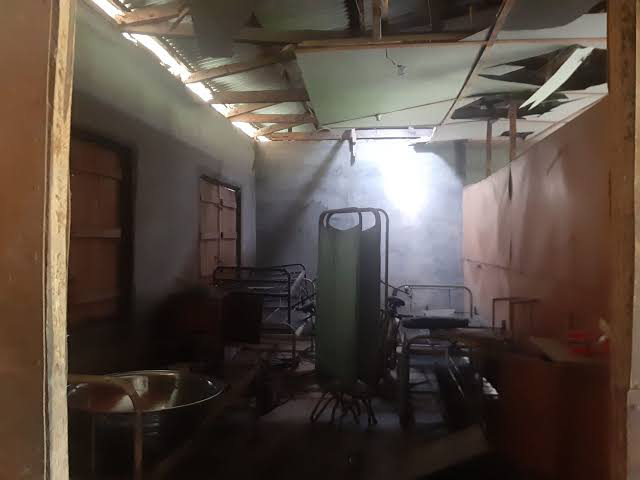
According to the findings, 153 of the 290 facilities had completed work, while 41 were still undergoing work. Seventeen had not been started, 21 were stalled, while five had reportedly been completed but remained locked or had not been put into use.
This meant that 91 facilities were either yet to be started, stalled, abandoned or completed but not operational.
The report also found shortcomings among facilities where renovation work had been completed. Of the 153 facilities recorded as completed, 73 reportedly had visible defects, including problems with construction, finishes and standard installations.
Using its assessment benchmark, Orodata found that only 85 of the 290 facilities, representing about 29 per cent, met the requirements for revitalisation. Another 170 partially met the benchmark, while 35 failed to meet it.
The organisation identified equipment and supplies, as well as construction and renovation, among the weakest areas across the facilities examined.
The ambulance findings were particularly significant because emergency transportation is an important component of primary healthcare, especially for patients requiring referral to higher-level facilities.
Despite the facilities being listed as revitalised, only 22 had functional ambulances, leaving the overwhelming majority without operational ambulance support.
The investigation also raised concerns about facilities that had received physical upgrades but lacked the equipment, supplies and other resources required to deliver the services expected of a revitalised PHC.
Orodata said the findings were based on physical inspections, geo-coordinated photographs, interviews with healthcare workers and community members, and assessments of the facilities’ operational capacity.
The organisation said the MyPHC project evolved from an earlier initiative known as Check MyPHC. Its wider work has involved visits to more than 1,480 PHCs across 277 local government areas, with the aim of comparing official claims and available data with conditions on the ground.
Orodata Country Lead, John Eromosele, said primary healthcare centres remain critical to the country’s health system and called for greater attention to the resources available to them.
He also highlighted concerns around funding, electricity, waste management, climate resilience, training and technology, arguing that reliable power supply is particularly important for effective healthcare delivery.
The report comes amid broader federal efforts to improve primary healthcare infrastructure and emergency response. In May 2026, the Federal Ministry of Health said 145 tricycle ambulances had been launched for deployment to primary healthcare centres, particularly in rural communities.
The findings, however, suggest that infrastructure investment does not automatically translate into operational readiness, with some facilities listed as revitalised still lacking essential equipment, services and emergency-response capacity.
Orodata said the evidence gathered through the assessment was intended to provide citizens, journalists, civil society organisations and policymakers with information that could be used to demand improvements in primary healthcare delivery.
The organisation also called for stronger accountability in the implementation of PHC revitalisation programmes to ensure that facilities classified as completed or revitalised are actually functional and capable of providing the services expected of them.
📩 Stone Reporters News | 🌍 stonereportersnews.com
✉️ info@stonereportersnews.com | 📘 Facebook: Stone Reporters News | 🐦 X (Twitter): @StoneReportNew | 📸 Instagram: @stonereportersnews
Add comment
Comments