

Reported by: Ijeoma G | Edited by: Oravbiere Osayomore Promise.
Nigerians are still waiting for the promised reduction in transportation fares, days after President Bola Tinubu’s October 1 target for cheaper public transport passed without widespread fare cuts across the country.
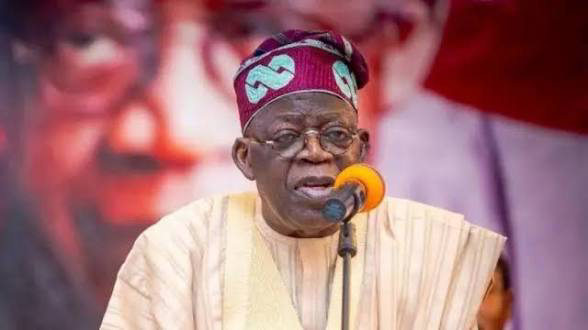
Tinubu had announced in September that Nigerians should begin to experience measurable reductions in transportation costs from October 1, following an agreement reached with the 36 state governors to expand the use of Compressed Natural Gas (CNG) and electric vehicles.
In a September 19 statement, the President said the Federal Government, states and other stakeholders had been working to identify priority transport corridors and deploy interventions that would allow savings from cheaper energy to translate into lower fares.
However, checks by The Guardian published on Wednesday, October 7, showed that commuters in Lagos were yet to see significant reductions on several routes. Fares monitored on routes including Ojota-Oshodi, Cele-CMS, CMS-Oshodi, CMS-Ikotun and Oshodi-Obalende remained high.
The development reflects findings published by The PUNCH shortly after the October 1 deadline, which showed that transportation fares had remained unchanged, and in some locations had increased despite the Federal Government’s directive.
The newspaper attributed the slow implementation partly to limited availability of CNG-powered vehicles, inadequate refuelling infrastructure and the continuing high cost of fuel, vehicle maintenance and spare parts.
Similar findings were reported by Daily Trust, which checked transport fares in several states and found that many commuters were still paying the same fares they had been paying before October 1.
In Kano, passengers at major motor parks reportedly continued paying existing fares, while some government-owned terminals had no CNG-powered buses operating.
In the Federal Capital Territory, transport fares also remained unchanged, with some routes recording increases. Transport operators said limited access to CNG and conversion facilities was among the challenges preventing them from switching from petrol-powered vehicles.
Kogi also recorded little evidence of the promised nationwide fare reduction. The state reportedly had no CNG or electric buses operating on established intra- or inter-state routes, apart from limited privately converted vehicles serving a university route.
In Katsina, transport operators said they had not received CNG buses from either the Federal Government or the state government, while some inter-state fares had increased.
Gombe also recorded unchanged or higher fares on some routes, while Bayelsa saw increases in several inter-state fares, according to the Daily Trust checks.
The situation has raised questions about how quickly the Federal Government’s CNG programme can translate into broad-based reductions for ordinary commuters.
The Presidential Initiative on Compressed Natural Gas and Electric Vehicles has maintained that implementation is progressing. Its official platform says several states are on course for the October 1 transport-fare reduction target, with CNG and electric mobility programmes already delivering cheaper transportation in some areas.
The Federal Government has also pointed to examples where CNG-powered transport has already reduced costs.
In his September 19 update, Tinubu cited Borno, where CNG-powered and electric public transport services were reportedly carrying commuters for between N50 and N100 on routes where commercial operators charged between N300 and N600.
The President also said states including Edo, Kano, Delta, Kwara and Lagos were expanding CNG-supported transport services, while Akwa Ibom had received 50 CNG buses ahead of commercial operations.
The government has argued that the October 1 date should be seen as a major implementation milestone rather than the end of the transport intervention.
The Pi-CNG and EV initiative has announced plans to deploy 61 additional buses to the Federal Capital Territory, Kano, Lagos, Delta, Kaduna, Katsina, Enugu, Borno and Niger.
The initiative has also said it is targeting at least 150 operational CNG refuelling stations before the end of 2026.
For many commuters, however, the central issue remains the fare they pay at bus stops and motor parks.
Transport stakeholders have argued that simply converting vehicles to CNG will not automatically lead to cheaper fares unless operators have reliable access to affordable gas, sufficient refuelling infrastructure, financing for conversion and lower maintenance costs.
The National Chairman of the Action Democratic Party, Yabagi Yusuf Sani, similarly said the success of the programme should ultimately be measured by the amount passengers pay for transportation rather than the number of government announcements or CNG vehicles deployed.
Civil society groups have also called for greater transparency over the implementation of the October 1 commitment, saying Nigerians need clear information on the routes and states benefiting from the programme and the obstacles delaying wider implementation.
Tinubu, in his Independence Day address on October 1, again identified affordable transportation as part of his administration’s broader objective of reducing the cost of living. He said the government was working to lower the cost of producing and moving goods and services across the country.
For now, while cheaper CNG-powered transportation is available on some routes, the evidence from several states indicates that the promised nationwide reduction in fares has yet to become a widespread reality.
With commuters continuing to face high transportation costs, attention is now shifting to how quickly the Federal Government and state governments can expand CNG infrastructure and ensure that the savings from cheaper energy are actually reflected in the fares paid by passengers.
📩 Stone Reporters News | 🌍 stonereportersnews.com
✉️ info@stonereportersnews.com | 📘 Facebook: Stone Reporters News | 🐦 X (Twitter): @StoneReportNew | 📸 Instagram: @stonereportersnews
Add comment
Comments