

Reported by: Ijeoma G | Edited by: Oravbiere Osayomore Promise.
The Federal Government has dismissed suggestions that the Nigerian National Petroleum Company Limited’s (NNPCL) 30-day petrol price discount amounts to a return of fuel subsidy, insisting that the initiative is being funded without public money.
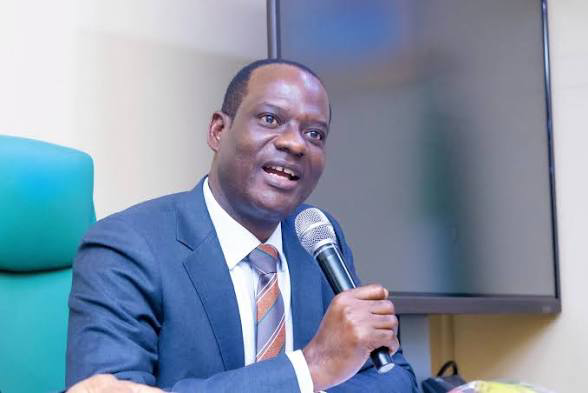
The Minister of Finance and Coordinating Minister of the Economy, Taiwo Oyedele, said on Friday, October 9, 2026, that the discount was a commercial decision by NNPC Retail Limited, which is reducing its retail profit margin to offer motorists lower petrol prices.
In a statement, Oyedele said the arrangement was not funded by the Federal Government’s budget or the Federation Account. Instead, he explained that NNPC Retail purchases petrol from the Dangote Refinery and other suppliers at prevailing market prices before adding its retail margin to determine the pump price.
According to the minister, the temporary reduction comes entirely from that margin, allowing the company to lower prices without the government paying part of the cost of petrol consumed by Nigerians.
He distinguished the arrangement from the former fuel subsidy regime, which was abolished in 2023, when public revenue was used to cover part of the cost of keeping petrol prices below market levels.
Oyedele also argued that the discount could benefit NNPC Retail commercially by attracting more customers and increasing sales volumes, potentially offsetting the effect of lower profit margins per litre.
The discount took effect at NNPC Retail filling stations on October 1 and is scheduled to run for 30 days in the first instance. Public transport operators have been identified as a priority group under the initiative.
The government says the measure is intended to provide temporary relief to households, commuters and transport operators amid high petrol prices, without reversing its decision to end fuel subsidy.
However, the policy has drawn criticism from opposition figures and labour representatives, who have questioned its design, duration and whether a temporary price reduction can provide meaningful relief to Nigerians.
The Trade Union Congress President, Festus Osifo, argued that price interventions could amount to a form of subsidy, while other critics questioned the transparency and long-term impact of the arrangement.
The debate has renewed attention on how petrol prices are determined and how the government can ease the burden on consumers while maintaining market-based pricing.
📩 Stone Reporters News | 🌍 stonereportersnews.com
✉️ info@stonereportersnews.com | 📘 Facebook: Stone Reporters News | 🐦 X (Twitter): @StoneReportNew | 📸 Instagram: @stonereportersnews
Add comment
Comments