

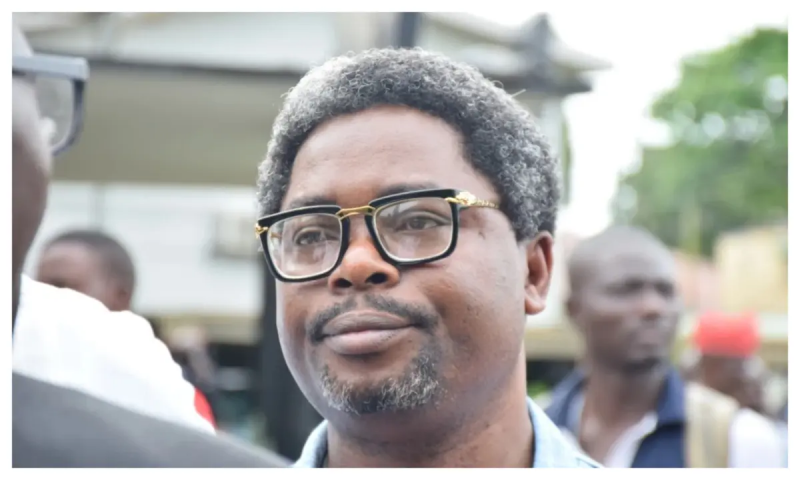
Lere Olayinka, media aide to the Minister of the Federal Capital Territory, Nyesom Wike, has called on the Department of State Services (DSS) and the Nigeria Police Force to investigate a viral video allegedly containing inflammatory statements directed against Christians. He expressed concern that the remarks attributed to individuals appearing in the footage could threaten religious coexistence and public security if left unexamined.
The appeal was reported on Monday, October 26, 2026, following the circulation of footage said to show members of the First Aid Group of Jama’atu Izalatil Bid’ah Wa Iqamatis Sunnah (JIBWIS), an Islamic religious organisation, participating in a drill. Olayinka alleged that a person leading the activity made statements referring to firearms and individuals described as infidels in Jos, Plateau State, and Enugu State.
According to Olayinka, a translation of the remarks suggested that the speaker was demanding AK-47 rifles for use against people he identified as religious opponents. He urged security authorities to examine the recording, establish the circumstances in which the statements were made and determine whether they constituted incitement to violence.
The allegations have not been independently established. The original recording, the accuracy of the reported translation, the identities of the participants and the full circumstances surrounding the drill require verification before conclusions can be reached about the intentions of those involved.
Olayinka's intervention was directed at two of Nigeria's principal security institutions. The DSS is responsible for domestic intelligence and threats to national security, while the police investigate suspected criminal offences and maintain public order.
His appeal sought official scrutiny rather than establishing that any crime had occurred. An investigation would need to examine the original footage, determine whether it had been edited or presented without context and assess the meaning of the statements in the language in which they were delivered.
The reference to Jos and Enugu is particularly significant because both are identifiable Nigerian cities with substantial Christian populations. However, the allegation that they were mentioned in the recording does not establish that any attack was planned, organised or carried out against residents of either location.
Jos, the capital of Plateau State, has experienced recurring communal and security challenges involving disputes over land, identity, political representation and access to resources. Some episodes of violence have acquired religious dimensions, although the underlying causes of individual conflicts vary considerably.
Enugu, the capital of Enugu State, is an important administrative and commercial centre in southeastern Nigeria. Its inclusion in the alleged remarks has raised a separate question about whether the speaker was referring to identifiable locations or whether the circulated translation accurately represented the original statement.
The available report does not establish that security agencies have identified a threat against either city. There is also no confirmed information linking the individuals shown in the video to preparations for an armed attack.
JIBWIS is a religious organisation associated with the Izala movement, which emerged in northern Nigeria as an Islamic reform movement. The organisation's reported identification in the footage does not, by itself, establish institutional responsibility for statements allegedly made by individuals appearing at an event.
The distinction is important because responsibility for incitement must be assessed through evidence relating to the conduct and intentions of identifiable persons. The religious affiliation of a participant cannot independently establish that an entire organisation authorised, endorsed or supported the alleged remarks.
No verified statement from JIBWIS responding specifically to the latest allegation was established in the reporting reviewed. The identity of the individual accused of making the remarks also remains unconfirmed.
The controversy follows an earlier intervention by Olayinka concerning inflammatory religious preaching. In August, he called for the arrest of a cleric identified as Shafiy Adeba after a separate video circulated online containing statements allegedly supporting violence and the enslavement of non-Muslims.
Olayinka criticised those reported remarks and urged security authorities to examine the matter. The earlier incident was separate from the latest footage involving the alleged religious group drill, and no established evidence connects the two recordings.
His latest demand again raises questions about how Nigerian authorities should respond to recordings containing allegations of religious incitement. Such cases require a distinction between protected religious expression, offensive statements and communications that may amount to criminal threats or encouragement of violence.
Nigeria's Constitution guarantees freedom of thought, conscience and religion, as well as freedom of expression, subject to applicable legal restrictions. Those protections coexist with laws addressing threats, public disorder and conduct capable of endangering other people.
Whether particular statements breach the law depends on their content, context and the evidence available to investigators. A translated extract circulated online would not necessarily provide a sufficient basis for determining criminal responsibility without examination of the original material.
The importance of verification has also been demonstrated by previous cases involving misleading security footage. In April 2026, Nigerian police dismissed a viral video purporting to show a terrorist attack in Abuja, saying investigators had established that unrelated images and manipulated audio were used to create a false impression.
That incident is unrelated to Olayinka's present allegation. It nevertheless illustrates why investigators must authenticate recordings before treating online claims as evidence of actual security threats.
For the latest footage, the central unresolved questions concern when and where it was recorded, who organised the drill, what the speaker actually said and whether the circulated translation reflects the complete remarks.
There is no confirmed announcement that the DSS or Nigeria Police Force has opened a formal investigation into the particular recording identified by Olayinka. No arrest, prosecution or official finding concerning the alleged statements has been established.
Olayinka's request therefore remains a call for security agencies to determine the facts and respond appropriately if an offence is established. His allegation should not be treated as proof that JIBWIS, its First Aid Group or any identified participant intended to attack Christians.
The controversy also highlights the responsibilities involved in reporting religiously sensitive allegations. Accurate attribution, independent verification and careful distinction between individuals and organisations are necessary to avoid presenting disputed claims as established threats.
For now, the confirmed development is Olayinka's public demand for an investigation into the circulated footage. Whether the recording contains unlawful incitement, and whether any individual or organisation bears responsibility, remains a matter for evidence-based examination by the appropriate authorities.
📩 Stone Reporters News | 🌍 stonereportersnews.com
✉️ info@stonereportersnews.com | 📘 Facebook: Stone Reporters News | 🐦 X (Twitter): @StoneReportNew | 📸 Instagram: @stonereportersnews
Add comment
Comments