

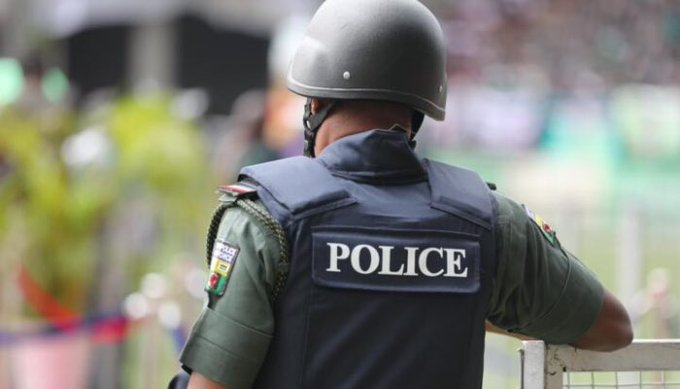
Amnesty International has condemned the alleged killing of a teenager, Umar Muhammad, popularly known as Gajiye, during an Islamic religious gathering in Borno State, demanding an immediate and impartial investigation into accusations that police officers opened fire on worshippers following a disagreement over noise. The human rights organisation called for accountability through fair judicial proceedings for any officers found responsible.
The incident reportedly occurred on October 18, 2026, during a Maulid celebration in Banki, Bama Local Government Area of Borno State. In a statement published on Sunday, October 25, Amnesty International said eyewitnesses accused the local Divisional Police Officer, identified by his rank as a Superintendent of Police, and members of his team of using firearms against participants after initially complaining about loudspeakers at the gathering.
The organisation identified the deceased as Umar Muhammad, also known as Gajiye, whose age was reported as approximately 15 or 16. It alleged that he was shot at close range and died at the scene. The circumstances of his death and the identity of the officer who allegedly fired the fatal shot have not been independently established through an official investigation.
According to Amnesty International, the confrontation began when the DPO and accompanying officers visited the religious celebration to complain about what they considered excessive noise. The gathering involved Maulid observances, which commemorate the birth of the Prophet Muhammad and are marked by some Muslim communities through prayers, religious recitations and other activities.
Witnesses cited by the organisation said the event organisers responded to the complaint by disconnecting loudspeakers. They maintained that the officers' initial concerns had therefore been addressed before the situation reportedly escalated.
Amnesty alleged that the DPO subsequently returned with other police personnel who dispersed participants and discharged firearms. The organisation said the teenager was killed during the incident and demanded an explanation for the reported use of lethal force.
“Umar was shot dead and left in a pool of blood,” Amnesty International stated, citing the account it received about the incident.
The organisation called on the Nigeria Police Force to investigate the allegations without delay and ensure that officers found culpable faced appropriate legal proceedings. Its demand emphasised the need for accountability through an impartial process rather than conclusions reached solely from public accusations.
Earlier accounts attributed to community witnesses provided additional allegations about the confrontation. According to reporting published on October 25, a witness said the DPO initially arrived with his driver and a police orderly and complained that religious recitations could be heard from the police station.
The witness alleged that organisers responded by switching off two high-frequency speakers and reducing the remaining sound. The officer reportedly remained at the venue for some time before leaving without further confrontation.
Community sources subsequently alleged that officers returned in two vehicles, interrupted the electricity supply and began dispersing participants. They accused the personnel of using batons, tear gas and firearms during the operation.
One account alleged that Umar was struck by a bullet in the neck and died at the venue. Other participants were reportedly injured, while sound equipment and personal belongings were allegedly damaged or taken away.
These additional allegations have not been independently confirmed by police findings or publicly available forensic evidence. They remain witness accounts requiring investigation, including the reported sequence of events and the actions of individual officers.
Amnesty International described the alleged killing as part of a broader concern about police accountability and human rights violations in Nigeria. The organisation argued that failure to investigate serious allegations involving security personnel could undermine public confidence in institutions responsible for protecting lives.
It also criticised what it described as a recurring pattern in which suspected perpetrators of abuses escape accountability. Those observations represent Amnesty's assessment of policing and should be distinguished from any judicial finding concerning the Banki incident.
The allegations raise important questions about the use of force during public gatherings. Nigerian police officers have responsibilities relating to public order, but the exercise of those powers remains subject to applicable laws and safeguards protecting life.
Nigeria's Constitution guarantees the right to life, subject to narrowly defined legal exceptions. Allegations involving the fatal use of firearms by security personnel therefore require careful examination of whether force was lawful, necessary and proportionate in the circumstances.
The United Nations Basic Principles on the Use of Force and Firearms by Law Enforcement Officials also establish international standards intended to limit the use of lethal force and protect civilians.
Those principles emphasise restraint and accountability, including the need for effective investigation when law enforcement operations result in death or serious injury.
For the Banki incident, investigators would need to establish the circumstances of the reported shooting, identify personnel present, examine available witness evidence and determine whether firearms were discharged.
An investigation would also need to clarify whether the organisers complied with the initial noise complaint and whether any circumstances arose that could lawfully justify the use of force.
Community sources have appealed to the Borno State Commissioner of Police to investigate the incident transparently. They also requested appropriate action against officers found responsible and compensation for the deceased teenager's family.
Reports published before Amnesty's intervention indicated that attempts to obtain a response from the Borno State Police Command spokesperson, ASP Kenneth Daso, had been unsuccessful.
No verified statement from the command addressing the allegations, announcing arrests or confirming disciplinary proceedings was established in the reporting available by Monday, October 26.
The absence of a confirmed police response does not establish the guilt of any officer. The allegations require examination through an independent and credible process that protects witnesses, considers relevant evidence and respects the rights of everyone involved.
Amnesty's intervention has brought renewed attention to the reported death of a young participant at a religious gathering and the responsibilities of security agencies when responding to complaints involving civilians.
The organisation's central demand is that the circumstances of Umar Muhammad's death be established and that any criminal responsibility be addressed through fair legal proceedings.
For the family and community, the unresolved questions include who fired the reported fatal shot, why firearms were allegedly used and what action authorities will take in response.
Until an official investigation establishes the facts, the accusations against the DPO and accompanying officers remain allegations. Amnesty International has nevertheless insisted that the reported death warrants urgent scrutiny and that accountability must follow wherever wrongdoing is established.
📩 Stone Reporters News | 🌍 stonereportersnews.com
✉️ info@stonereportersnews.com | 📘 Facebook: Stone Reporters News | 🐦 X (Twitter): @StoneReportNew | 📸 Instagram: @stonereportersnews
Add comment
Comments