

Reported by: Ijeoma G | Edited by: Oravbiere Osayomore Promise.
A rural community in Zamfara State has been thrown into mourning after armed bandits carried out a coordinated late-night attack that left at least 18 people dead, underscoring the persistent insecurity that continues to plague Nigeria’s northwest region.
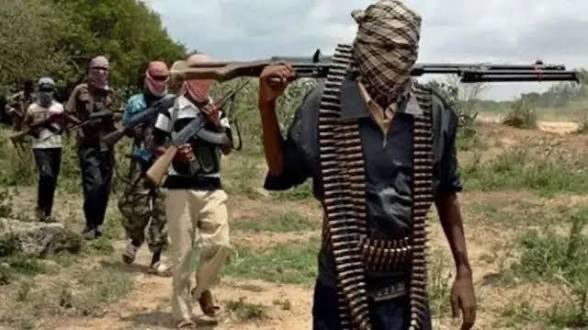
The attack took place in Bunkasau village, located in the Zarummai ward of Bukkuyum Local Government Area, where residents reported that dozens of heavily armed assailants stormed the community on Friday night. Witnesses said the attackers, estimated to be more than 80 in number, arrived on motorcycles at about 9 p.m. and immediately began shooting sporadically, sending villagers fleeing in panic.
Survivors recounted how the gunmen moved through the village for hours, targeting residents and creating widespread chaos. Many villagers reportedly fled into nearby bushes in a desperate attempt to escape, while others remained trapped in their homes as the violence unfolded. By the time the attackers withdrew, at least 18 people had been killed, with several others injured.
Local authorities confirmed the death toll, noting that emergency efforts were initiated to assist the wounded and transport them to nearby medical facilities. However, the exact number of injured persons remains unclear, as some victims were reportedly treated outside formal health centers.
The latest assault is part of a broader wave of violence in Bukkuyum Local Government Area, which has experienced repeated attacks in recent weeks. Just days before the incident in Bunkasau, another community in the same area was reportedly targeted, with residents abducted during a separate raid. The pattern of attacks has heightened fear among local populations, many of whom now live under constant threat.
Zamfara State Governor, Dauda Lawal, condemned the killings, describing the attack as a senseless act of violence against innocent citizens. He expressed deep sorrow over the tragedy and extended condolences to the families of the victims, assuring them that the government remains committed to addressing insecurity in the state.
The governor also acknowledged that the violence was not isolated to a single community, referencing similar attacks in nearby areas. As part of the state’s response, a delegation led by senior government officials was dispatched to the affected community to assess the situation and provide support to victims and their families.
Security operatives were deployed to the area following the attack, although residents noted that the response came after the assailants had already fled. The delay reflects ongoing challenges in responding rapidly to incidents in remote rural areas, where poor road networks and limited infrastructure can hinder timely intervention.
Zamfara State has long been one of the epicenters of banditry in Nigeria, with armed groups operating from forested enclaves and launching attacks on vulnerable communities. These groups are known for carrying out raids, kidnappings for ransom, and cattle rustling, often using motorcycles to navigate difficult terrain and evade security forces.
Security analysts say the tactics employed in the Bunkasau attack are consistent with those used in previous incidents, where large groups of gunmen conduct coordinated assaults before retreating to hideouts in nearby forests. Such operations often overwhelm local defenses, particularly in areas with limited security presence.
In response to the ongoing crisis, security agencies have intensified operations across Zamfara, including targeted offensives against known bandit camps. In some instances, these operations have resulted in the deaths of suspected bandits and the disruption of criminal networks. However, the persistence of attacks suggests that these measures have yet to achieve lasting stability.
The humanitarian impact of the violence is becoming increasingly severe. Repeated attacks have forced many residents to abandon their homes, leading to displacement and loss of livelihoods. Farming activities, which form the backbone of the local economy, have been significantly disrupted, raising concerns about food security in affected areas.
Residents of Bunkasau and surrounding communities have expressed deep frustration over the recurring violence, calling for stronger and more consistent security presence. Community leaders have emphasized the need for proactive measures to prevent attacks, rather than reactive responses after incidents have occurred.
At the national level, the situation in Zamfara continues to highlight broader challenges within Nigeria’s security framework. Issues such as the proliferation of small arms, porous borders, and limited state presence in rural areas have contributed to the persistence of banditry in the region.
Experts argue that addressing the crisis will require a comprehensive approach that goes beyond military action. While security operations remain essential, there is also a need for improved intelligence gathering, community engagement, and socio-economic interventions aimed at addressing the root causes of violence.
For the families of the victims, the immediate concern is coping with the loss of loved ones and rebuilding their lives in the aftermath of the attack. The community, now grappling with grief and uncertainty, faces the challenge of recovering from yet another devastating incident.
As Zamfara State continues to confront the threat of banditry, the attack on Bunkasau serves as a stark reminder of the human cost of insecurity. With lives lost and communities destabilized, the urgency of finding effective and lasting solutions remains critical.
📩 Stone Reporters News | 🌍 stonereportersnews.com
✉️ info@stonereportersnews.com | 📘 Facebook: Stone Reporters News | 🐦 X (Twitter): @StoneReportNew | 📸 Instagram: @stonereportersnews
Add comment
Comments