

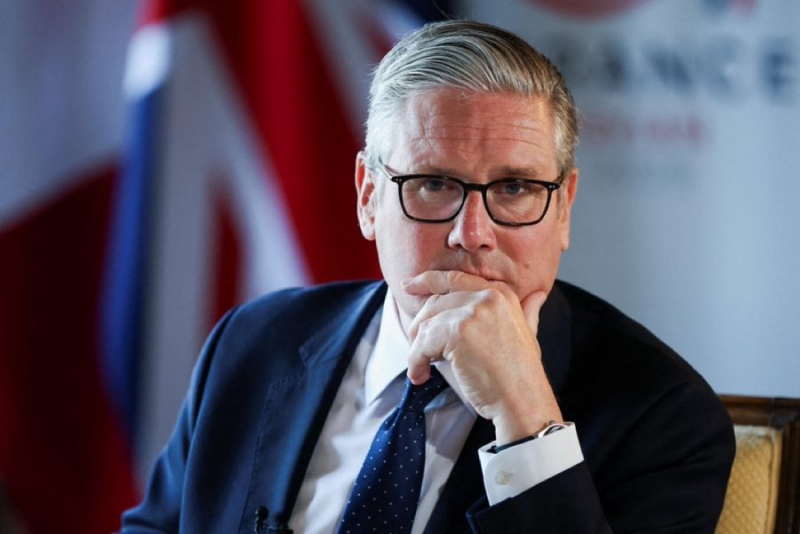
British Prime Minister Keir Starmer has announced his resignation as Prime Minister and leader of the Labour Party, bringing an end to his leadership less than two years after his party returned to power following a major election victory.
Starmer announced his decision on Monday, June 22, 2026, in a statement delivered in London, where he confirmed that he would step down after growing pressure from within the Labour Party and concerns over the party’s political direction ahead of the next general election. He said he would remain in office until a successor is chosen to ensure a smooth transition.
The resignation marks a significant political development in the United Kingdom, as Starmer’s departure comes after a period of internal disagreements within Labour and declining support among some members of the party. His decision followed weeks of leadership uncertainty and calls from some Labour figures for a change at the top.
Starmer became Prime Minister after leading Labour to a historic victory in the 2024 general election, ending years of Conservative Party rule and securing a large parliamentary majority for his party. His government entered office promising reforms across public services, the economy, and national institutions.
However, his leadership later faced challenges as Labour struggled with declining public confidence and internal disagreements over policies and political strategy. Some members of the party questioned whether Starmer remained the right person to lead Labour into the next national election.
The pressure increased after disappointing election results and growing criticism from Labour lawmakers. Reports indicated that several party members and ministers expressed concerns about the future direction of the government and the party’s electoral prospects.
Before announcing his resignation, Starmer had previously resisted calls to leave office and said he wanted to continue governing. He had argued that changing leadership would create uncertainty and that his focus remained on delivering the government’s agenda.
The resignation now opens the process for Labour to select a new leader who will also become the next Prime Minister. The party is expected to begin leadership procedures, with nominations scheduled as part of the transition process.
Among the names being discussed as potential successors is Andy Burnham, the Mayor of Greater Manchester, who has gained attention within Labour circles following his return to Parliament. Other Labour figures may also enter the leadership contest.
Starmer’s exit also adds to a period of political change in Britain, where several prime ministers have left office in recent years due to internal party disputes, election setbacks, or political pressure. His resignation continues that pattern of leadership changes affecting British politics.
During his time in office, Starmer’s government focused on areas including economic recovery, public services, healthcare, defence policy, and international relations. Supporters of his administration highlighted reforms and policy changes introduced during his premiership.
Critics, however, argued that the government struggled to maintain public enthusiasm and faced difficulties convincing voters that Labour was delivering the scale of change promised during the election campaign. These concerns contributed to internal debates about the party’s future direction.
The leadership transition will be closely watched both in the UK and internationally, as a new Labour leader prepares to take control of the government. The incoming leader will face challenges involving the economy, public services, political competition, and rebuilding confidence among voters.
Starmer’s resignation does not immediately remove him from office, as he is expected to continue serving as Prime Minister until Labour completes its leadership process and a replacement is confirmed.
The development represents a major turning point for the Labour Party, which returned to government with strong electoral support but now faces the task of selecting a new leader while preparing for future elections.
As Britain begins the transition to new leadership, attention will focus on the Labour leadership contest, the direction of the next government, and how the party responds to the political challenges ahead.
📩 Stone Reporters News | 🌍 stonereportersnews.com
✉️ info@stonereportersnews.com | 📘 Facebook: Stone Reporters News | 🐦 X (Twitter): @StoneReportNew | 📸 Instagram: @stonereportersnews
Add comment
Comments