

Reported by: Oahimire Omone Precious | Edited by: Oravbiere Osayomore Promise.
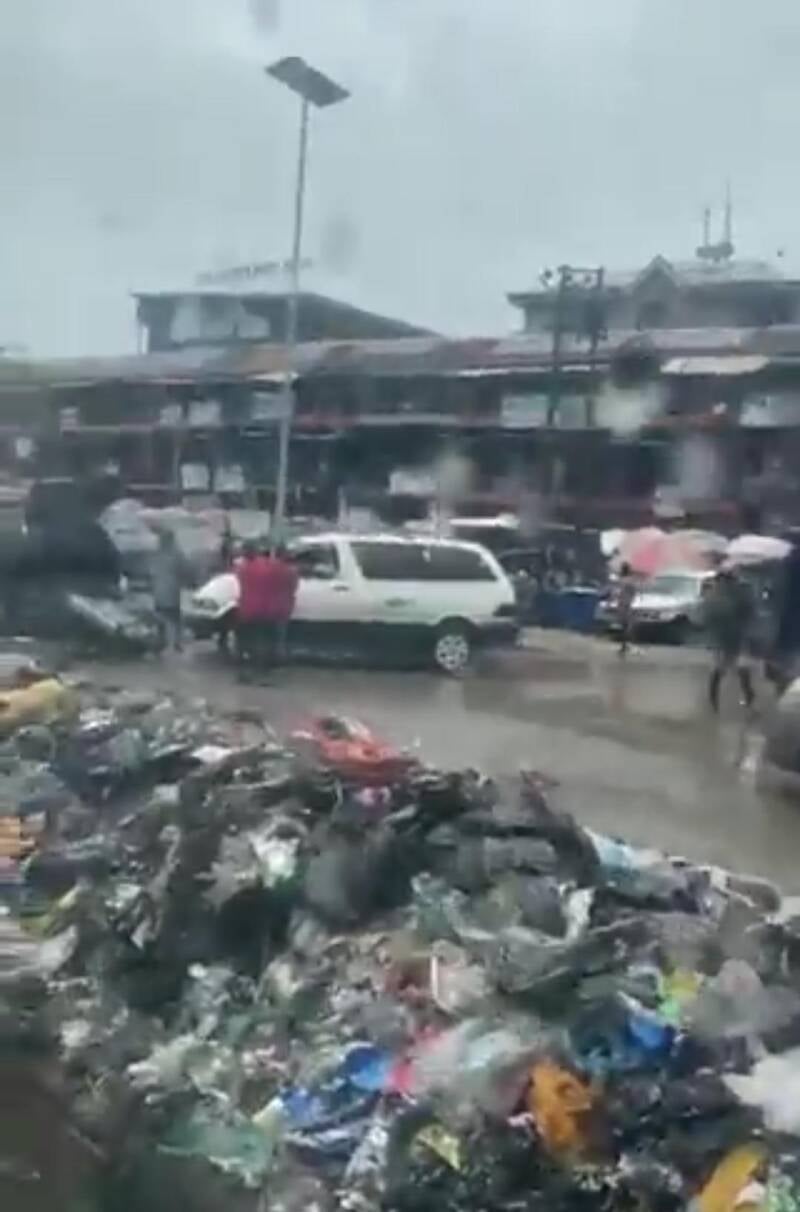
A viral video circulating on social media has exposed the alarming state of the pavement along the Coker-Orile section of the Lagos-Badagry Expressway, where massive heaps of refuse have engulfed the walkway, raising urgent concerns about sanitation, environmental safety, and the deteriorating condition of public spaces in Nigeria's commercial capital. The footage, which surfaced on Thursday, June 25, 2026, shows large piles of waste spilling onto the pedestrian walkway, creating an eyesore and a public health hazard for the thousands of commuters and traders who traverse the busy corridor daily.
The Coker-Orile axis, a critical gateway connecting Lagos Island to the mainland and the Badagry route, has long been a blackspot for indiscriminate dumping. The refuse heaps have become so extensive that they have effectively become part of the road itself, with traders and commuters forced to navigate around them while inhaling toxic fumes and dodging disease-carrying insects and rodents. Cassidy bus stop, located along the same stretch, presents one of the most alarming scenes, where the middle lane has been partially occupied by refuse and human excretion, forcing drivers to maintain a single lane and exposing traders and commuters to toxic air daily.
The refuse heaps serve as breeding grounds for rats, flies and other disease vectors, while floodwaters during the rainy season wash refuse into water channels, contaminating water sources and amplifying the threat of cholera and other waterborne diseases. Residents and motorists along the Lagos-Badagry Expressway have long complained about the refuse heaps, which not only mar the road's aesthetics but also contribute to flooding, traffic congestion, and respiratory illnesses.
In February 2026, the Lagos State Waste Management Authority (LAWMA) commenced a bulk waste evacuation at Alaba Rago along the Lagos–Badagry Expressway, deploying heavy-duty carriers, loaders and support teams to clear illegal dump sites. The cleanup exercise covered several strategic points including Orile, Doyin, Alaba Rago, Agric, Barracks Iyana-Iba, and Agbara. During the operation, LAWMA Managing Director and Chief Executive Officer, Dr. Muyiwa Gbadegesin, warned residents, traders, and transport operators to channel refuse through designated Private Sector Participant (PSP) operators and comply strictly with environmental regulations. However, the persistence of illegal dumping suggests that enforcement has not been sufficient to deter recalcitrant offenders.
In May 2026, LAWMA also cleared illegal structures and activities along the Alaba Rago setback on the Lagos–Badagry Expressway, citing continued indiscriminate dumping of refuse, obstruction of sanitation activities, and unlawful occupation of the highway setback by traders and squatters. The agency has also arrested several cart pushers caught dumping refuse illegally along the expressway, following the discovery of an unauthorised dumpsite during a routine patrol by LAWMA's Waste Investigation, Surveillance and Enforcement Team. In February 2026, the Lagos State Environmental Task Force arrested 26 suspects for allegedly collecting money from cart pushers to allow them to illegally dump refuse at the Orile Under Bridge, a stone's throw from the Coker-Orile section.
Despite these efforts, the Coker-Orile pavement remains buried under waste, exposing the gap between enforcement actions and the scale of the challenge. The Lagos State Government has identified several high-risk areas for flooding and environmental degradation, including Orile, Badagry, and other parts of the expressway corridor, and has urged residents to avoid settlement or trading activities within active floodplains and drain corridors. But for the people of Coker-Orile and the thousands who pass through daily, the heaps of refuse are a stark reminder that the fight for a cleaner Lagos is far from won.
As the video continues to trend on social media, residents and civil society groups are calling on the Lagos State Government and LAWMA to intensify enforcement, prosecute offenders, and invest in sustainable waste management infrastructure along the Lagos-Badagry Expressway. The Coker-Orile pavement, once a symbol of connectivity and commerce, has become a monument to neglect, and the clock is ticking for authorities to act before the filth claims yet another public space.
📩 Stone Reporters News | 🌍 stonereportersnews.com
✉️ info@stonereportersnews.com | 📘 Facebook: Stone Reporters News | 🐦 X (Twitter): @StoneReportNew | 📸 Instagram: @stonereportersnews
Add comment
Comments