

Reported by: Ijeoma G | Edited by: Oravbiere Osayomore Promise.
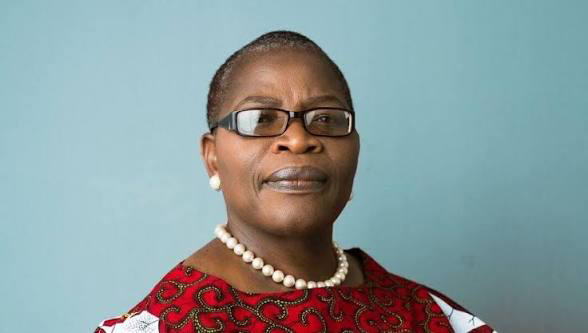
Former Minister of Education and ex-World Bank Vice President, Dr. Obiageli "Oby" Ezekwesili, has delivered a scathing critique of Nigeria's political economy, arguing that the nation's wealthiest citizens have amassed their fortunes through unproductive means rather than through genuine enterprise and value creation. Ezekwesili made the remarks during an interview on News Central's "60 Minutes with Mr. Kay" programme aired on Saturday, August 22, and Sunday, August 23, 2026. In a direct and unflinching assessment of the country's elite, she challenged Nigerians to scrutinise the sources of wealth of the rich, declaring that the vast majority would fail the test of productivity.
"Look at just bring line up all the people who are wealthy in our country today and try to trace their wealth to any productive activity. None. Maybe a few," Ezekwesili stated, her words capturing the essence of a system she believes has become detached from economic reality. The former minister argued that the country's leadership recruitment process, which she said has been "designed in the image of those who have held the levers of power," actively discourages people of character and integrity from participating in governance. This systemic distortion, she warned, has created a "market for bad behaviour" where misconduct is rewarded and good conduct is punished.
Ezekwesili also lamented the phenomenon of public office becoming a fast track to wealth, with many individuals leaving government far richer than when they entered, despite persistent questions about the sources of their fortunes. She pointed to the broader societal failure to demand accountability, noting that rather than questioning the origins of such wealth, society often celebrates those who have accumulated it. "This is what grounded the Nigerian society," she declared. The former minister's critique extended to the country's social class structure. She observed that while in a normal society the upper class comprises distinguished and productive individuals who contribute significantly to the economy, Nigeria's version is a "very dodgy class" of people who boast of their status without being productive. She argued that the lower class, which constitutes about 64 per cent of the population or roughly 145 million people living in poverty, are the ones who faithfully come out to vote during elections, often viewing the process as a market day to improve their income rather than a civic duty to choose leaders.
Ezekwesili also offered a measured assessment of the current administration, acknowledging that the government has achieved macroeconomic stability, particularly in calming foreign exchange volatility. However, she cautioned against confusing this stability with genuine prosperity, stressing that inflation remains high, the cost of living is still crippling for the average citizen, and the country is suffering from structural misalignment due to wrong economic policy choices. The former minister urged Nigerians to reject apathy and become more intentional about demanding accountable leadership. "Nothing happens that is not made to happen," she said, emphasising that good governance is a deliberate design that requires strong institutions, not a stroke of luck. "To get good governance is a design. You have to design for you to then end up with good governance. If you don't design for good governance, you will have the kind of governance that we have," she warned. Her comments serve as a stark reminder that the conversation about Nigeria's wealth is not just about money, but about the values, systems, and accountability that shape the nation's future.
📩 Stone Reporters News | 🌍 stonereportersnews.com
✉️ info@stonereportersnews.com | 📘 Facebook: Stone Reporters News | 🐦 X (Twitter): @StoneReportNew | 📸 Instagram: @stonereportersnews
Add comment
Comments