

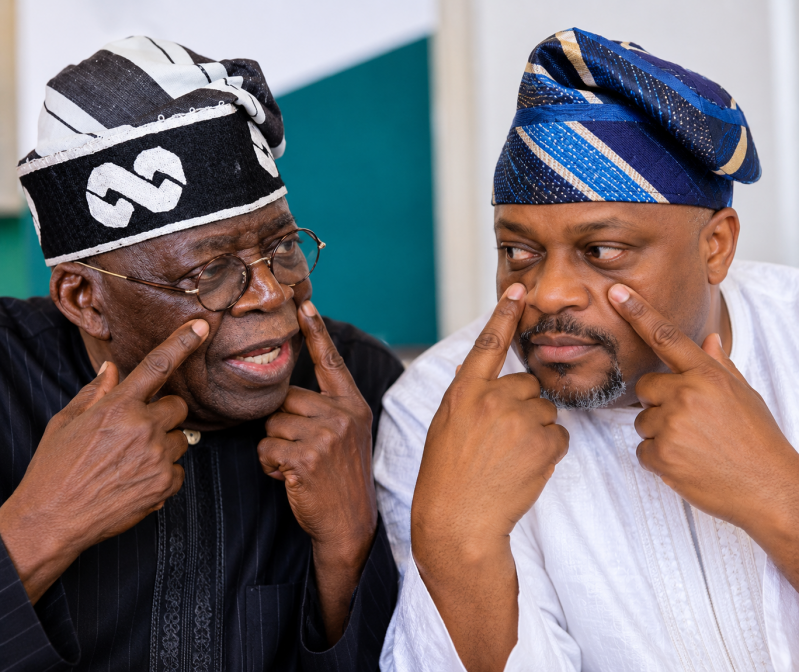
President Bola Tinubu returned to Nigeria on Tuesday, September 29, after an extended working vacation in Europe and gave an answer that, on the surface, sounded ordinary. Asked by journalists how his vacation had gone, the President replied: “I enjoyed myself. Fantastic.” He then addressed speculation about his health, saying he was “ready to kick, ready to work,” and insisting that he was healthy, sound and ready to continue his duties.
Taken literally, there is nothing extraordinary about a person saying he enjoyed a vacation. Rest is part of life, and presidents are human beings who are entitled to periods away from the daily pressures of office. But presidents are also symbols of the condition and direction of their countries. Their words therefore carry a weight that the same words spoken by an ordinary citizen may not carry.
That is why Tinubu’s seemingly simple answer deserves to be considered in the wider circumstances surrounding his trip.
Tinubu left Abuja on August 30 for what the Presidency announced as a three-week working vacation, initially travelling to London before proceeding to Paris. His stay was later extended by several days. During the period, the Presidency said he remained engaged with government business and held meetings abroad, including engagements connected with investment. Vice President Kashim Shettima represented Nigeria at the United Nations General Assembly in New York.
As the originally announced period passed and the President remained abroad, political criticism intensified. Opposition figures, including Atiku Abubakar and the African Democratic Congress, questioned the length of the absence and demanded greater clarity about the President’s status and the constitutional arrangements surrounding the vacation. A faction of the Peoples Democratic Party also criticised his absence from the UN General Assembly and argued that Nigeria’s economic and security difficulties required greater presidential attention.
Questions were also raised about Section 145 of Nigeria’s Constitution, which deals with a president proceeding on vacation or otherwise being unable to discharge the functions of office. Legal interpretations reported during the controversy differed over how the provision should operate in the circumstances, while public information did not establish that Tinubu had transferred presidential authority to Shettima. The Presidency maintained that there was no vacuum and that Tinubu continued directing government affairs remotely.
Then came another sensitive issue: the President’s health.
As his stay abroad continued, speculation circulated about whether illness was responsible for the extension. The Presidency repeatedly rejected those suggestions. Presidential adviser Bayo Onanuga said Tinubu was “hale and hearty” and argued that modern technology allowed the President to perform his responsibilities without being physically present in Abuja. Tinubu himself confronted the speculation immediately after returning, saying there was nothing wrong with him and describing rumours as part of politics.
Seen in that context, “I enjoyed myself” can reasonably be understood as more than an account of leisure. Combined with “I’m here, healthy, sound and ready to go,” the remark appeared to communicate that the President regarded his absence as a normal vacation rather than evidence of the health crisis suggested by some rumours. It was a short answer to weeks of questions, although Tinubu did not provide a detailed explanation of why his stay was extended.
Yet political communication is not only about what a leader intends to say. It is also about what citizens hear.
For Nigerians struggling with high living costs, insecurity, unemployment and pressure on household incomes, the words “I enjoyed myself” may land differently. Some may hear the harmless response of a man returning refreshed from leave. Others may hear a sharp contrast between the comfort available to the country’s political leadership and the difficult circumstances confronting many citizens at home.
That difference in interpretation does not make the statement wrong. It demonstrates something important: leaders must understand the emotional environment into which their words are released.
A sentence can be factually innocent and politically sensitive at the same time.
The controversy also offers a lesson for citizens. Public debate is healthier when criticism focuses on verifiable questions rather than rumours. Whether a president is entitled to rest is not seriously in dispute. More meaningful questions concern transparency, constitutional procedure, continuity of government, the public cost and purpose of official travel, and whether government continues responding effectively to national problems while the president is abroad.
Similarly, rumours about a leader’s health should not become substitutes for evidence. Tinubu returned publicly and said he was healthy. Unless credible evidence establishes otherwise, reporting should distinguish speculation from confirmed fact. Political disagreement does not remove the responsibility to be accurate.
For the Presidency, however, transparency can prevent an information gap from becoming a rumour factory. When a previously announced return is delayed, clear and timely explanations matter. Citizens naturally ask questions when the person occupying the country’s highest office remains outside the country longer than initially announced. Providing straightforward information can reduce unnecessary suspicion.
Tinubu’s other words on arrival may ultimately matter more than the sentence attracting attention. “Ready to work” creates an expectation that can be measured against what follows his return. A vacation ends when the traveller comes home; the responsibilities that were waiting do not.
Nigeria’s challenges were not on vacation.
The wiser reading of the episode, therefore, is neither to condemn a president merely for enjoying his rest nor to dismiss Nigerians who felt uncomfortable hearing those words. Both reactions reveal different realities. Tinubu was speaking about his personal experience during his time away; citizens are judging his words against their experience of the country he returned to govern.
“I enjoyed myself” describes the past few weeks. “Ready to work” points to what comes next.
And for Nigerians, that second statement is the one whose meaning will be determined not by another quotation at an airport, but by decisions, results, accountability and whether daily life improves. In public leadership, rest may be personal, but responsibility is public.
📩 Stone Reporters News | 🌍 stonereportersnews.com
✉️ info@stonereportersnews.com | 📘 Facebook: Stone Reporters News | 🐦 X (Twitter): @StoneReportNew | 📸 Instagram: @stonereportersnews
Add comment
Comments