

Reported by: Ijeoma G | Edited by: Oravbiere Osayomore Promise.
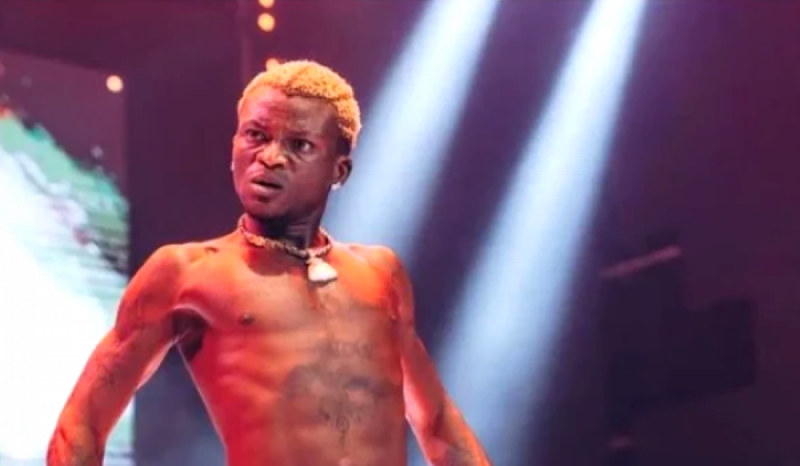
The singer known for shouting “Zazoo Zehh” is now shouting a different warning: silence is not complicity – it is survival. Habeeb Okikiola Badmus, popularly known as Portable, has set the Nigerian entertainment space ablaze with a blunt counter‑argument to British‑Nigerian rapper Skepta’s call for celebrity activism, declaring that Nigerian artists cannot speak out against the country’s worsening insecurity and economic hardship because they fear arrest, persecution and the seizure of their passports. In a video broadcast that has since gone viral, the controversial street‑pop artist defended the apparent silence of many Nigerian celebrities, insisting that the government will clamp down on any public figure who dares to criticise the administration. “Skepta, God bless you for remembering and speaking for Nigeria. However, you saying we, Nigerian celebrities, should speak up and demand justice, do you want the Nigerian government to pick us? They will arrest us if we speak up,” Portable said in the clip.
The feud was triggered by Skepta’s own emotional appeal on social media. The British‑Nigerian grime MC had called out President Bola Tinubu directly, sharing a video in which he questioned how much suffering Nigerians must endure. “There is so much injustice in Nigeria,” Skepta stated. “Whenever I can, whether it is at my shows, verbally or through images, whatever I can do, we are going to speak up for injustice at all time.” He added: “Nigerians need help. We need people to speak up for us as well.” Skepta urged Nigerian celebrities to use their platforms to demand accountability and global attention. However, Portable’s reply was unsparing: “Those of us in Nigeria, if we speak, we will be in big trouble. They might even seize our passports if we celebrities say what we are not supposed to say.”
Portable argued that it is far safer for Nigerians living in the diaspora to raise their voices because the Nigerian government “can’t arrest them from abroad.” He claimed that the administration is actively oppressing local artists and that some of his colleagues are still being persecuted over past remarks. According to the ‘Zazu’ crooner, the looming threat of detention, passport confiscation and public humiliation has created a suffocating atmosphere of fear that effectively silences the entertainment industry. “We need help. We need support, not just prayers. Nigerians in diaspora should speak up because Nigerian government can’t arrest them from abroad,” he said. “I’m only concerned about how I can make money and better my own life. It is not like celebrities don’t care about Nigeria, but if we speak, they will persecute us.”
Portable’s fears are not without precedent. In recent months, the Nigerian government has been accused of using security agencies to suppress dissent. In March 2026, popular social media commentator Sani Buhari, widely known as Waspapping, was arrested by the Department of State Services (DSS) in Kaduna State following posts about the Middle East conflict. He spent several days in detention before being released, an incident that Amnesty International criticised as part of an “escalating clampdown” on social media commentary. In April 2026, the DSS also arrested a blogger and social media influencer Justice Chidiebere, known as Justice Crack, over allegations of inciting soldiers. In January 2026, an X user identified as Musa, operating under the handle @AM_Saleeeem, was also arrested and remanded in prison for criticising President Tinubu’s administration.
These cases, among others, have created a chilling effect on free expression in Nigeria, particularly among public figures who lack the insulation of a foreign passport. Portable’s outburst came at a moment when the country is already reeling from a mass abduction in Oyo State. On 15 May 2026, about 12 armed men on motorcycles, dressed in military camouflage, simultaneously attacked three schools in Oriire Local Government Area – Baptist Nursery and Primary School, Community Grammar School, and L.A. Primary School – killing an assistant headmaster and a commercial motorcyclist, abducting at least 46 pupils and teachers, and later beheading a mathematics teacher in a viral video that sent shockwaves through the nation. The victims remain in captivity despite repeated official promises.
In response to the crisis, the Nigeria Union of Teachers (NUT) declared an indefinite strike across all public primary and secondary schools in Oyo State on 1 June 2026, demanding the unconditional release of the captives. President Tinubu has approved the recruitment of 1,000 forest guards and the deployment of a specialised rescue unit, but progress has been slow. Meanwhile, civil society groups and teachers have taken to the streets in Ibadan and other cities, protesting the government’s perceived inaction.
Portable’s intervention has now added a bitter layer to the national conversation. Where some Nigerians see celebrity silence as a betrayal, Portable insists it is a rational calculation of risk in a country where speaking up can land you in a cell. As the Oyo abductions stretch into their third week, and as teachers shut down schools in frustration, the debate over who should speak – and who can afford to – is no longer merely about activism. It is a stark reflection of a nation where those inside the borders are fighting for survival, while those outside are pleading for them to be heard.
As Portable concluded in his video: “A lot of us are even tired of what is happening in Nigeria. But we can’t speak up. If we were in abroad, it would be safer to speak up.”
📩 Stone Reporters News | 🌍 stonereportersnews.com
✉️ info@stonereportersnews.com
📘 Facebook: Stone Reporters News
🐦 X (Twitter): @StoneReportNew
📸 Instagram: @stonereportersnews
Add comment
Comments