

Reported by: Ijeoma G | Edited by: Oravbiere Osayomore Promise.
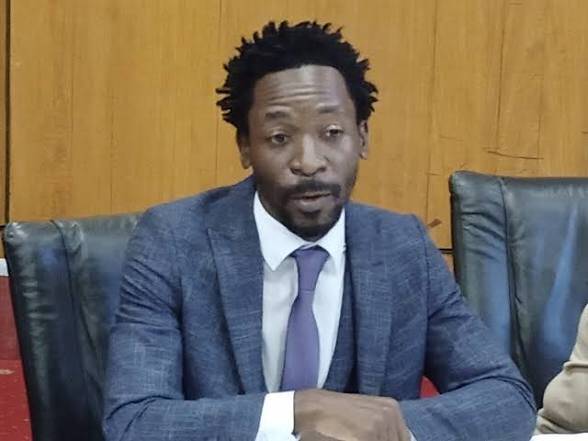
The President of the Uganda Law Society (ULS), Isaac K. Ssemakadde, has issued an executive order abolishing the use of colonial-era court honorifics and rituals of deference, directing lawyers to stop bowing before judges and to abandon traditional titles such as "My Lord," "Your Lordship," "My Lady," and "Your Worship." The directive, issued under Executive Order RNB No. 12 of 2026, took effect immediately on Tuesday, July 7, 2026, coinciding with Saba Saba Day, which commemorates resistance against authoritarianism in East Africa. The order has ignited a fierce debate within Uganda's legal community, with supporters hailing it as a bold decolonisation of the justice system, while critics argue that long-standing courtroom traditions embody respect for the rule of law and judicial authority rather than colonial subservience.
In the sweeping directive, Ssemakadde argued that Uganda's judiciary has been weakened by executive interference, judicial corruption, prolonged delays, selective justice, and what he described as systematic failures to address enforced disappearances, torture, and attacks against lawyers. He also accused the military of undermining judicial independence through illegal arrests, extrajudicial searches, detention of civilians, court invasions, obstruction of lawyers and journalists, and the trial of civilians before military tribunals. According to the ULS president, the judiciary's failings have been reinforced by what he called an outdated colonial court culture that requires lawyers to bow before judges and use feudal titles that elevate judicial officers above ordinary citizens. "This Order shall strip away the theatrical props of elitism that insulate judicial officers from the daily discomfort, frustration, and powerlessness experienced by Ugandans in the justice system," the directive states. "By removing these barriers, we force the powerful to confront the humanity and dignity of the people they serve, or fail to serve."
Under the executive order, members of the Uganda Law Society are prohibited from bowing or engaging in any form of physical deference before judicial officers. The order further abolishes the use of titles including "Your Lordship," "My Lord," "My Lady," "Your Ladyship," and "Your Worship." Instead, judicial officers are to be addressed using simplified titles such as "Mr. Justice" or "Madam Justice" for appellate court judges, "Mr. Judge" or "Madam Judge" for High Court judges, "Mr. Magistrate" or "Madam Magistrate," "Mr. Registrar" or "Madam Registrar," or simply by their surnames where appropriate. The directive also instructs advocates and litigants to stand upright and address the court "as free citizens," stating that members of the Radical New Bar should neither enforce nor observe practices that compel citizens into "postures of humiliation."
Beyond changes to courtroom etiquette, the order mandates a nationwide consultation within 90 days on the future of Uganda's court culture. The consultation will involve representatives of the Bench, the Bar, and citizens' associations and will examine the continued use of colonial wigs, gowns, and foreign-language requirements in Ugandan courts. It will also review the Judiciary Client Charter with the aim of rewriting it in plain language, reflecting Ugandan realities and strengthening citizens' rights to respectful, accessible, and timely justice. Ssemakadde argued that these reforms are intended to dismantle symbols of elitism that distance judicial officers from the people they serve. He said bowing and the use of titles such as "My Lord" create unnecessary distance between the Bench and the people the courts are meant to serve.
The directive has drawn mixed reactions from Uganda's legal community. Supporters have described it as a bold and long-overdue decolonisation of the country's justice system, arguing that the colonial-era practices are relics of a bygone era that have no place in a modern, independent Uganda. They contend that the reforms will make the courts more accessible to ordinary citizens and reduce the intimidating atmosphere that often surrounds judicial proceedings. However, critics have argued that the traditional titles and courtroom rituals embody respect for the rule of law and judicial authority, rather than colonial subservience. They warn that abandoning these practices could undermine the dignity of the courts and erode public confidence in the judiciary.
The executive order comes amid broader tensions between the Uganda Law Society and the judiciary. In recent months, the ULS has been involved in a series of confrontations with the judiciary over issues ranging from the arrest of lawyers to the conduct of judges. In June 2026, the ULS boycotted a formal engagement with the judiciary over the arrest of Kampala Lord Mayor and lead counsel, Elias Lukwago. The boycott transformed the issue from a dispute over one arrest into a broader constitutional confrontation. In a separate incident, the ULS condemned what it described as growing intimidation of lawyers by military officials, warning that threats against legal practitioners undermine the rule of law and constitutional rights in Uganda.
The directive also comes against the backdrop of a broader push for judicial reform in Uganda. In May 2026, the Magistrates Courts (Amendment) Act, 2026, came into force, raising the civil jurisdiction of chief magistrates from Shs50 million to Shs200 million, and that of magistrates from Shs20 million to Shs100 million. The judiciary welcomed the reforms, describing them as a step towards improving access to justice. However, the ULS has also raised concerns about the welfare of judicial officers, calling for salary increases and improved working conditions to match the expanded workload.
The executive order has been mandated for immediate publication on the Uganda Law Society's official platforms and circulated to all members, signalling the beginning of what could become one of the most consequential transformations of courtroom culture in Uganda's modern legal history. As the debate over the reforms continues, the directive has already sparked a wider conversation about the legacy of colonialism in Uganda's legal system and the need to build a justice system that reflects the country's values and aspirations. For now, lawyers in Uganda have been told to stop bowing and to abandon the titles that have been used in courtrooms for generations. Whether the reforms will take root and reshape the culture of Uganda's courts remains to be seen, but the directive has undoubtedly set the stage for a historic reckoning with the country's colonial legal heritage.
📩 Stone Reporters News | 🌍 stonereportersnews.com
✉️ info@stonereportersnews.com | 📘 Facebook: Stone Reporters News | 🐦 X (Twitter): @StoneReportNew | 📸 Instagram: @stonereportersnews
Add comment
Comments