

Reported by: Ijeoma G | Edited by: Oravbiere Osayomore Promise.
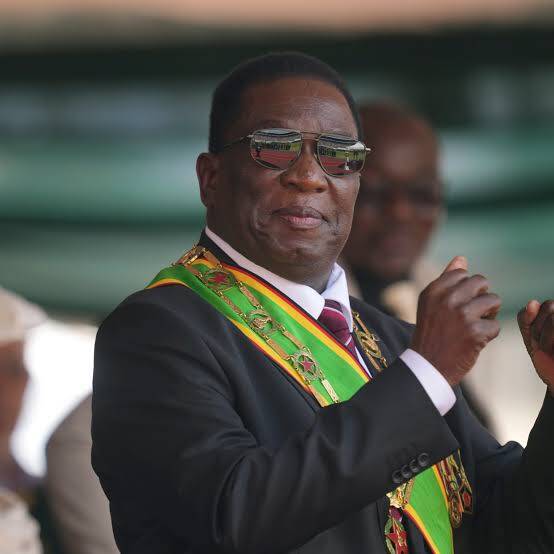
Zimbabwean President Emmerson Mnangagwa has signed into law a controversial constitutional amendment that extends his tenure by two years to 2030 and abolishes direct presidential elections, a move critics have condemned as a "constitutional coup" that further tightens the 83-year-old leader's grip on power. The legislation, published as Act 6 of 2026, extends presidential and parliamentary terms from five to seven years, postpones the next election from 2028 to 2030, and transfers the power to elect the president from citizens to lawmakers.
Mnangagwa, who came to power in 2017 following a military-backed coup that ousted his longtime mentor Robert Mugabe, had previously pledged to step down when his second and final term ended in 2028. However, his ruling ZANU-PF party, which has governed Zimbabwe since independence in 1980, pushed the amendments through Parliament after securing a two-thirds majority in both houses. The lower house passed the bill with 216 votes in favour and 42 against, surpassing the 187-vote threshold required to amend the constitution.
Government spokesman Nick Mangwana confirmed the signing on social media, declaring: "Signed, sealed and delivered – it is now law". The Constitutional Amendment Bill Number 3 also scraps public voting in presidential elections—a system in place since 1990—with lawmakers now responsible for choosing the country's leader. The amendments also increase the number of presidential appointments, further consolidating executive power.
The changes have drawn sharp criticism from opposition parties, human rights lawyers, civil society groups, and some veterans of Zimbabwe's liberation war. Opposition figures argue that such fundamental changes require approval through a national referendum, not merely parliamentary votes. Jacob Ngarivhume, leader of Transform Zimbabwe, said: "The country is doomed... not prepared to deal with a forever president". Makomborero Haruzivishe of the Constitutional Defenders Forum called the amendments "a calculated constitutional coup against the people of Zimbabwe," adding that it "strips citizens of the fundamental right to directly elect their president".
Supporters of the amendments argue that Parliament had the authority to pass the changes because the constitutional two-term limit remains unchanged, even though each term would now be longer. ZANU-PF spokesman Christopher Mutsvangwa said the bill "ushers in a period of political and governance certainty" and that "stability and predictability is the stuff investors hanker for". The government has rejected calls for a referendum, with Mangwana stating that the attorney general found no legal basis for requiring a popular vote.
The amendments have deepened political tensions in the southern African nation. In recent months, police have banned public meetings, arrested and detained critics of the reforms, while others have alleged harassment and intimidation. Tendai Biti, a convenor of the Constitutional Defenders Forum, said security forces had barged into his office six times since October 2025. In March, lawyer Lovemore Madhuku, who had filed a constitutional court challenge to the amendment bill, said he was beaten by a group of balaclava-wearing men who then drove off in unmarked vehicles followed by two police vehicles.
Zimbabwe's courts have yet to rule on several legal challenges seeking to overturn the amendments. The Constitutional Court had earlier dismissed a challenge seeking to block the bill, but opposition parties and civic organisations have indicated they will continue to contest the legislation before the courts. Zimbabwe has not been able to access financing from major international development banks since 2001 because of a Congressional law requiring the United States to veto such funding until the country enacts certain reforms, including holding clean elections. The United States has also imposed sanctions on some Zimbabwean officials, including Mnangagwa.
Nicknamed "The Crocodile" for his political ruthlessness, Mnangagwa would serve 12 years as president under the amendments, following the nearly four decades in power of his predecessor, Mugabe. The law marks one of the most significant constitutional reforms since the adoption of Zimbabwe's 2013 Constitution and is set to heighten political tensions in a country already struggling with economic challenges, disputed elections, and growing concerns over democratic backsliding.j
📩 Stone Reporters News | 🌍 stonereportersnews.com
✉️ info@stonereportersnews.com | 📘 Facebook: Stone Reporters News | 🐦 X (Twitter): @StoneReportNew | 📸 Instagram: @stonereportersnews
Add comment
Comments