

Reported by: Ijeoma G | Edited by: Oravbiere Osayomore Promise.
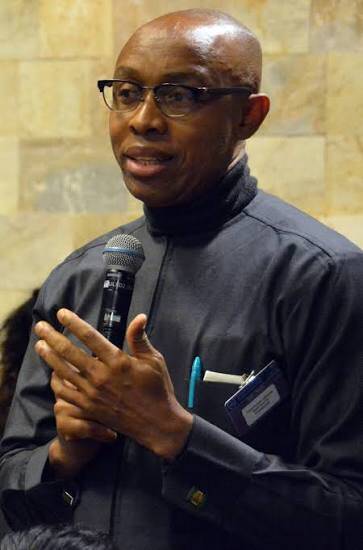
Human rights lawyer and former Chairman of the National Human Rights Commission, Professor Chidi Odinkalu, has launched a scathing critique of the decision to hold Nigeria's 2027 general elections on January 16, arguing that the date is a deliberate move to disenfranchise millions of Igbo voters and expose deep, unresolved flaws in the nation's democratic fabric. Speaking on The Mic On Podcast, Odinkalu contended that scheduling the polls for mid-January, ostensibly to avoid a clash with Ramadan, completely disregards the travel realities and cultural traditions of a significant portion of the electorate. He warned that the date effectively serves as a barrier, preventing many Nigerians from exercising their fundamental right to vote.
At the heart of Odinkalu's argument is the Igbo tradition of returning to their hometowns during the Christmas and New Year holidays. He pointed out that millions of Igbo voters are registered in cities far from their ancestral homes, including Kano, Kaduna, and Lagos. With the election scheduled for January 16, these voters would be forced to choose between staying in their host cities to vote or traveling home for the festivities and risking being unable to return in time. "If you fix elections on January 16, you're telling Igbos who go from where they live, 'You must not come back,' because if you do, you're in trouble," Odinkalu stated, encapsulating the core of his grievance.
The human rights lawyer argued that the current timeline makes it both unrealistic and unsafe for many to travel solely to vote and then journey back, effectively disenfranchising a large block of the electorate. He dismissed the government's justification that the date was chosen to avoid a conflict with the Islamic holy month of Ramadan, which is expected to begin around February 7 or 8, 2027. Odinkalu proposed a simple solution: shifting the elections to late January rather than mid-January. This, he argued, would make a significant difference for voters while still avoiding a clash with Ramadan.
Odinkalu also highlighted that the same logistical challenge affects many Northerners living in Southern Nigeria, who also tend to remain in their home states until after the festive period. He stressed that the issue transcends mere election logistics, describing it as a profound reflection of Nigeria's unresolved questions of national identity, belonging, and equal participation. He insisted that electoral planning must accommodate the movement patterns of citizens rather than unintentionally excluding them.
This criticism from Odinkalu comes after the Independent National Electoral Commission overhauled the 2027 election schedule, moving the presidential and National Assembly elections from February 20 to January 16, 2027. The shift, which also moved governorship elections to February 6, was justified by the commission as a necessary adjustment following the enactment of the Electoral Act 2026. However, opposition parties and civil society groups have consistently accused the ruling All Progressives Congress of orchestrating the date change as a plot to rig the elections and suppress opposition voters. Odinkalu's intervention adds a powerful voice to these concerns, framing the date change not as a mere administrative adjustment but as a fundamental assault on the democratic rights of a specific ethnic group.
📩 Stone Reporters News | 🌍 stonereportersnews.com
✉️ info@stonereportersnews.com | 📘 Facebook: Stone Reporters News | 🐦 X (Twitter): @StoneReportNew | 📸 Instagram: @stonereportersnews
Add comment
Comments