

Reported by: Ijeoma G | Edited by: Oravbiere Osayomore Promise.
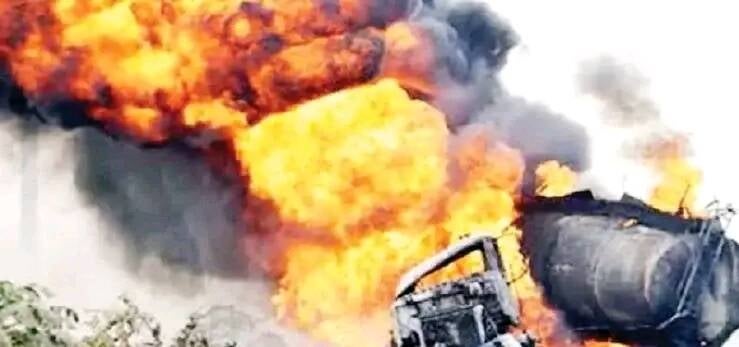
A devastating tragedy unfolded on Tuesday night along the Abuja-Lokoja Federal Highway in Kogi State when a gas-laden truck exploded at an Army checkpoint, claiming the lives of at least six people and destroying multiple vehicles in a massive inferno that sent shockwaves through the surrounding community. The explosion, which occurred within the jurisdiction of the Chikara Division, prompted an immediate emergency response from police officers, personnel of the Motor Traffic Division, and officials of the Federal Road Safety Corps, who rushed to the scene to contain the blaze and evacuate the victims. The incident, which has once again highlighted the grave dangers associated with transporting flammable materials on Nigeria's major highways, left behind a scene of charred wreckage and grieving families as authorities worked through the night to clear the highway and restore traffic flow.
According to security analyst Zagazola Makama, who first disclosed the incident in a post on X on Tuesday night, the gas truck was conveying gas cylinders when it exploded as it approached the Army checkpoint, igniting a massive fire that quickly spread to nearby vehicles. The driver of the gas truck and his motor boy were burnt to death instantly, while the fire also engulfed three other trucks, killing their drivers and motor boys. In total, six people lost their lives in the incident, Makama confirmed. The affected trucks, bearing registration numbers from Jigawa State, Lagos State, and the Federal Capital Territory, were completely destroyed by the inferno, leaving behind only twisted metal and ashes.
Eyewitnesses at the scene described a horrifying chain of events as the gas truck detonated without warning. "The driver of the gas truck and his motor boy were burnt to death. The fire also engulfed three other trucks, killing their drivers and motor boys. In all, six people lost their lives in the incident," an eyewitness recounted, painting a grim picture of the chaos that unfolded on the busy federal route. The explosion occurred at a location where vehicles typically queue for security checks, raising concerns about the vulnerability of such checkpoints to catastrophic accidents involving hazardous cargo. The intense heat from the blaze made it difficult for responders to approach the scene initially, but emergency teams eventually managed to bring the fire under control and begin the grim task of recovering the remains of the victims.
The remains of the six victims were evacuated to the General Hospital in Abaji, where they were received by medical personnel for identification and further procedures. Emergency workers, including personnel from the FRSC and the police, worked tirelessly to clear the burnt vehicles from the highway, a critical step that allowed the road to be reopened for traffic after hours of disruption. The Abuja-Lokoja highway, a major transit route connecting Nigeria's capital to the southern and eastern parts of the country, experienced significant delays as motorists were stranded while authorities dealt with the aftermath of the explosion. The swift response of emergency services was praised by observers, though questions have since been raised about the adequacy of safety protocols for the transportation of flammable materials on the nation's roads.
Efforts to obtain official confirmation from the Kogi State Police Command were unsuccessful, as the Police Public Relations Officer, ASP Salisu Oyiza Afusat, did not respond to calls and text messages seeking comment as of the time of filing this report. The absence of an official statement from the police has left a vacuum of information, with many details about the incident, including the exact cause of the explosion and the identities of the victims, still unconfirmed. However, security analysts have pointed to the inherent risks of transporting gas cylinders and other hazardous materials on highways, particularly in areas with heavy traffic and security checkpoints where vehicles are forced to slow down or stop, creating conditions that can turn a minor accident into a catastrophic inferno.
The tragedy has reignited calls for stricter safety measures for vehicles carrying flammable cargo, with experts urging authorities to enforce regulations on the transportation of hazardous materials, including mandatory inspections, speed limits, and designated routes that minimise risk to the public. The incident also underscores the urgent need for improved emergency response capabilities along Nigeria's major highways, where accidents involving tankers and gas trucks have become distressingly common, often resulting in mass casualties and extensive property damage. The Kogi gas truck explosion is the latest in a series of such incidents that have plagued the country's road network, raising questions about the enforcement of safety standards and the accountability of transport operators.
As the affected families begin the painful process of mourning their loved ones, the broader implications of the disaster continue to reverberate across the region. The destruction of the three additional trucks, which were carrying goods worth millions of naira, represents a significant economic loss for the owners and operators, many of whom rely on the highway for their livelihoods. The blaze also caused damage to the road surface and surrounding infrastructure, though authorities have not yet provided an assessment of the full extent of the damage. The Federal Road Safety Corps has previously warned about the dangers of transporting flammable materials without adequate safety measures, and this latest incident is likely to intensify calls for stricter enforcement of existing regulations.
The Kogi gas truck explosion serves as a stark reminder of the fragility of life and the devastating consequences that can arise from the transportation of hazardous materials on Nigeria's highways. As the nation mourns the loss of six lives, the focus will inevitably shift to prevention, with authorities expected to investigate the cause of the explosion and determine whether any safety regulations were breached during the transportation of the gas cylinders. For now, the families of the victims are left to grapple with their loss, while motorists continue to traverse the Abuja-Lokoja highway, hoping that such a tragedy will not be repeated. The emergency response to the incident, while swift, has also highlighted the need for continued investment in Nigeria's emergency services, ensuring that they are equipped to handle the complex challenges posed by such disasters.
📩 Stone Reporters News | 🌍 stonereportersnews.com
✉️ info@stonereportersnews.com | 📘 Facebook: Stone Reporters News | 🐦 X (Twitter): @StoneReportNew | 📸 Instagram: @stonereportersnews
Add comment
Comments