

Reported by: Ijeoma G | Edited by: Oravbiere Osayomore Promise.
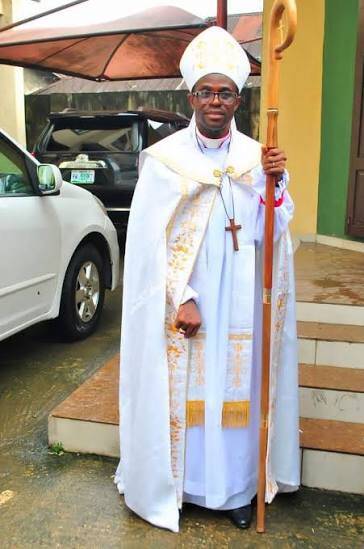
The Bishop of the Anglican Diocese of Calabar, His Lordship Professor Nneoyi Egbe, has firmly rejected what he described as an alleged attempt to Islamise Nigeria and integrate Sharia laws and financial systems into the country's economy, declaring that such a move would not enhance transparency or accountability. Speaking at the end of the three-day third session of the 12th Synod of the diocese at the Holy Trinity Anglican Communion in Calabar, Cross River State, on Wednesday, July 15, 2026, the Bishop warned that the proposed integration of Sharia into Nigeria's financial regulations would not deliver the credibility and clarity its proponents claim. "This move will not enhance clarity, credibility, accountability, or transparency as claimed. We again say No to Islamisation of our country. We cannot continue this dance of death with the deliberate intention to Islamise this nation," Egbe declared.
The Bishop's strong rebuke comes amid growing concerns among Christian leaders and civil society groups over what they perceive as a systematic push to introduce Islamic legal and financial frameworks into Nigeria's secular system. Egbe's remarks follow similar warnings from other religious leaders, including Bishop David Oyedepo, who earlier this year declared that claims of Islamisation in Nigeria were already being manifested, though he insisted such an agenda would ultimately fail. The Bishop of Calabar's intervention adds to a chorus of voices demanding that Nigeria's secularity be respected and that the government resist any attempt to alter the country's constitutional foundation.
Egbe painted a grim picture of a nation divided into two distinct realities, lamenting that Nigeria had become a "two-tier nation" where the political elite live in comfort while the majority of citizens wallow in hardship. "The first tier is the self-sufficient Nigeria, characterised by solar energy, private security, controlled systems, and comfort. The political class and few of the private sector cronies of theirs live in this tier. The second tier is Nigeria of survival, marked by darkness, bad roads, insecurity, poor healthcare, and uncertainty where the large majority of Nigerians live," he said. The Bishop accused leaders of prioritising personal comfort over national development, citing the reliance of Aso Rock on solar power while the national grid remains epileptic. "They have chosen to insulate themselves from what is happening rather than engineer transformation of the nation," Egbe added.
The Bishop's critique extended to the political class, whom he accused of building a parallel system of governance that benefits only a privileged few while leaving the masses to endure the consequences of failed leadership. His description of a "two-tier nation" resonated with many Nigerians who have long complained about the disconnect between the ruling elite and the general population, particularly in the face of economic hardship, insecurity, and crumbling infrastructure. The Bishop's remarks were delivered at a time when public frustration over the cost of living, unemployment, and poor governance has reached a tipping point, with many citizens questioning the direction of the country.
In addition to his rejection of the alleged Islamisation agenda, Egbe called on Christians to return to God in genuine repentance and to shun modern idolatries such as money, status, pleasure, fashion, technology, and human rights. He also proposed a novel approach to political appointments, suggesting that appointees, including the Chairman of the Independent National Electoral Commission, should emerge from a college of religious and traditional leaders, adding that any appointment should be by merit, ability, and resilience over ethnicity and state of origin. The Bishop's proposal, while unconventional, reflects a growing frustration with the current system of political patronage and ethnic favouritism that has long characterised Nigeria's governance.
The Bishop also expressed delight at developments in the diocese, including the establishment of a printing press, scholarships for indigent children, provision of boreholes in underserved communities, economic empowerment programmes, building a house for a widow, and reroofing a storm-damaged home. These initiatives, he said, demonstrated the church's commitment to addressing the practical needs of the people even as it speaks truth to power. Egbe's address at the synod was both a spiritual exhortation and a political statement, challenging the government to live up to its responsibilities while calling on the faithful to remain vigilant against what he described as a deliberate attempt to undermine Nigeria's secular character.
The Bishop's rejection of Sharia integration comes amid ongoing debates over the role of religion in Nigeria's public life, with some groups pushing for greater Islamic influence in the country's legal and financial systems. The Federal Government has not officially endorsed any proposal to integrate Sharia into the national financial framework, but concerns have persisted among Christian leaders and civil society organisations that such an agenda is being pursued quietly. Egbe's unequivocal declaration that "we again say No to Islamisation of our country" serves as a rallying cry for those who believe Nigeria's secularity is under threat, and his warning that the nation cannot continue a "dance of death" with deliberate intentions to Islamise the country reflects the depth of anxiety among Christian communities.
As Nigeria navigates its complex religious and ethnic diversity, the Bishop of Calabar's intervention underscores the delicate balance required to maintain the nation's secular identity while accommodating the religious sensibilities of all citizens. His call for a return to genuine repentance and his critique of the political elite's insulation from the suffering of the masses resonate with a populace that has grown weary of empty promises and self-serving leadership. Whether his words will prompt any change in the government's approach remains to be seen, but his message has already struck a chord with many Nigerians who share his concerns about the direction of their country. For now, the Bishop has made his position clear: Nigeria's secularity must be defended, and any attempt to Islamise the nation or integrate Sharia into its financial systems will be met with firm resistance.
📩 Stone Reporters News | 🌍 stonereportersnews.com
✉️ info@stonereportersnews.com | 📘 Facebook: Stone Reporters News | 🐦 X (Twitter): @StoneReportNew | 📸 Instagram: @stonereportersnews
Add comment
Comments