

Reported by: Ijeoma G | Edited by: Oravbiere Osayomore Promise.
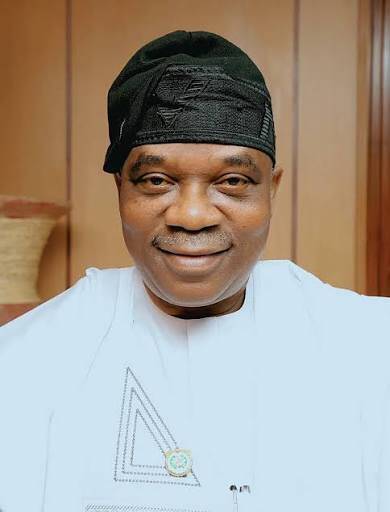
Nigeria has issued a firm call for the Economic Community of West African States to strengthen regional cooperation against terrorism and transnational crimes while sustaining dialogue with Burkina Faso, Mali and Niger to address the region's escalating security and governance challenges. The appeal was made by the Minister of State for Foreign Affairs, Ambassador Sola Enikanolaiye, at the 56th Session of the ECOWAS Mediation and Security Council at the Ministerial Level, held on Wednesday in Freetown, Sierra Leone.
According to a statement issued on Thursday by the Ministry of Foreign Affairs spokesperson, Kimiebi Ebienfa, the minister stressed the need for a reinvigorated regional response to terrorism, piracy, banditry and transnational organised crime. Enikanolaiye said ECOWAS must act collectively to tackle the growing threats "from a position of strength and crushing lethality," while highlighting Nigeria's intensified military operations and coordinated efforts among security, intelligence and law enforcement agencies, which he said had led to the rescue of kidnapped victims, arrests of criminal elements and improved security in the Gulf of Guinea.
On financial matters, the minister urged member states to promptly pay the ECOWAS Community Levy, describing it as the strategic "motherload" for the effective functioning of the organisation. He noted that Nigeria had continued to demonstrate leadership by meeting its obligations despite its domestic challenges. Addressing governance and democracy, Enikanolaiye reaffirmed Nigeria's commitment to credible elections, assuring the council that preparations for the 2027 general elections were already underway. He recalled Nigeria's uninterrupted record of democratic transitions since 1999 and invited ECOWAS member states and international observers to monitor the polls, saying Nigeria had "nothing to hide" regarding its electoral process.
The minister also condemned what he described as rising Afrophobic violence in South Africa, where citizens of other African countries have reportedly been targeted. He described the attacks as "most despicable" and reminded the council of Nigeria's historic contributions to the anti-apartheid struggle through financial, material and diplomatic support. Enikanolaiye urged ECOWAS to adopt a firm and strongly worded position on the issue for submission to the African Union, in line with a proposal earlier put forward by Ghana.
The minister advocated sustained engagement with Burkina Faso, Mali and Niger, the three members of the Alliance of Sahelian States, as well as Guinea-Bissau, stressing the need for dialogue and inclusive approaches to strengthen democracy, regional peace, stability and development. According to him, ECOWAS should adopt innovative and effective strategies for engaging the Alliance of Sahelian States in view of the evolving geopolitical environment and its impact on regional security.
The call comes amid growing security challenges and political divisions in the region, particularly following the withdrawal of Burkina Faso, Mali and Niger from ECOWAS and the formation of the Alliance of Sahel States. Nigeria's position reflects growing concerns that fragmented security cooperation could undermine collective efforts against extremist groups operating across porous borders. ECOWAS has taken steps to reopen channels of communication with the AES countries, appointing former Guinean Prime Minister Lansana Kouyaté as its chief negotiator in March 2026 to lead discussions with the three nations. The renewed push for regional cooperation comes as West Africa continues to face threats from terrorist networks, cross-border criminal groups and instability that increasingly affect both Sahelian and coastal countries.
For Nigeria, greater cooperation between ECOWAS and Sahel countries could help improve intelligence coordination, disrupt terrorist movements and strengthen responses to transnational crimes. However, rebuilding trust between the regional bloc and the AES will remain a major challenge, given the political differences that led to the Sahel countries' withdrawal from ECOWAS. As West Africa confronts an increasingly complex security environment, Nigeria's call underscores the growing recognition that terrorism does not respect national borders and that sustainable regional security will require cooperation, dialogue and a coordinated response across political divides.
📩 Stone Reporters News | 🌍 stonereportersnews.com
✉️ info@stonereportersnews.com | 📘 Facebook: Stone Reporters News | 🐦 X (Twitter): @StoneReportNew | 📸 Instagram: @stonereportersnewsl
Add comment
Comments