

Reported by: Ijeoma G | Edited by: Oravbiere Osayomore Promise.
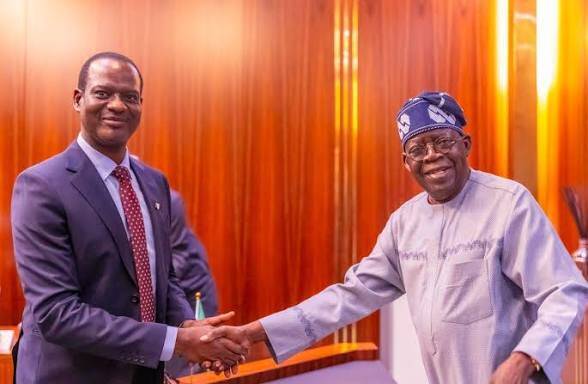
The Federal Government has firmly dismissed claims that the administration of President Bola Ahmed Tinubu has borrowed close to N80 trillion within its first three years in office, describing such figures as exaggerated, misleading, and the product of accounting adjustments, exchange rate revaluation, and inaccurate public reporting. Minister of Finance and Coordinating Minister of the Economy, Mr. Taiwo Oyedele, made the clarification on Monday, July 20, 2026, during an interactive session with the Senate Committee on Finance, where he briefed lawmakers on the state of the nation's economy. Responding to a question from Senator Adamu Aliero, who had referred to claims that the administration had accumulated about N80 trillion in fresh debt in addition to the approximately N75 trillion it inherited, the minister insisted that the actual borrowing undertaken by the Tinubu administration was nowhere near the figures being circulated in public discourse.
Oyedele explained that the sharp increase in Nigeria's reported public debt is largely attributable to three key factors, none of which constitute fresh borrowing by the current administration. First, he pointed to the depreciation of the naira following the government's exchange rate reforms, which significantly increased the naira value of the country's foreign currency-denominated debt. Because Nigeria reports its public debt in naira, this accounting adjustment alone added more than N40 trillion to the debt stock without any new loans being taken. Second, the minister cited the securitisation of the Ways and Means advances inherited from the previous administration, a process approved by the National Assembly. He said about N33 trillion was added to the public debt through that exercise, stressing that it was not new borrowing but simply bringing previously existing obligations onto the official debt books. Third, he noted that much of the domestic borrowing undertaken by the government has been for refinancing maturing obligations rather than accumulating new liabilities. "Debt that was borrowed previously matures, and government raises new debt to refinance it. That is not new borrowing," he explained.
The minister further clarified that the public often confuses National Assembly approval for borrowing with actual funds already drawn. "For external loans, we always require the approval of the National Assembly. What usually happens is that once the National Assembly approves a borrowing plan, many people interpret that as money already borrowed. We have not even taken half of what the National Assembly approved," Oyedele said. He maintained that the Tinubu administration has adopted a prudent borrowing strategy, with loans strictly channelled into infrastructure and other productive investments rather than recurrent expenditure. "We see debt as leverage. Every naira and every dollar borrowed should generate more value than the amount borrowed," he stated, while reaffirming the government's commitment to debt sustainability.
Despite the minister's detailed explanations, some members of the committee expressed dissatisfaction with the pace of implementation of the capital component of the 2026 Appropriation Act. Senate Chief Whip, Senator Tahir Monguno, warned that failure to implement the capital budget amounted to a constitutional breach, describing it as an impeachable offence. Senator Adamu Aliero also raised concerns over the slow release of funds for capital projects despite improved revenue performance by government agencies. However, the Chairman of the Senate Committee on Finance, Senator Sani Musa, assured lawmakers that implementation of the capital component of the 2026 budget would soon improve. Speaking after a closed-door session with the minister and members of the economic team, Musa said efforts were underway to align budget implementation with available revenues, with the government considering replacing the current envelope budgeting system with a performance and priority-based framework.
The session also provided an opportunity for the minister to highlight positive developments in the economy. Oyedele disclosed that the Federal Government generated N21.6 trillion in tax revenue between January and June 2026, representing a 49 per cent increase over the corresponding period of the previous year. He painted an optimistic picture of Nigeria's economic outlook, stating that reforms initiated over the last three years had rescued the economy from severe distress and restored macroeconomic stability. "Three years ago, our economy was on the brink of severe distress. Today, we have made significant progress. Macroeconomic fundamentals are improving, investor confidence has returned, fiscal revenues are increasing and the economy is growing," he said. The finance minister's defence of the government's borrowing record comes amid growing public anxiety over Nigeria's rising debt burden and widespread economic hardship, as citizens and analysts continue to question whether the country is taking on more obligations than it can sustain.
📩 Stone Reporters News | 🌍 stonereportersnews.com
✉️ info@stonereportersnews.com | 📘 Facebook: Stone Reporters News | 🐦 X (Twitter): @StoneReportNew | 📸 Instagram: @stonereportersnews
Add comment
Comments