

Reported by: Oahimire Omone Precious | Edited by: Oravbiere Osayomore Promise.
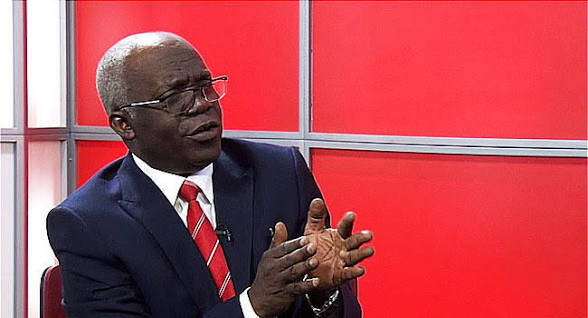
Human rights lawyer and Senior Advocate of Nigeria, Femi Falana, has launched a stinging attack on the Federal Government over its planned increase in electricity tariffs, insisting that Nigerians must not be made to bear the burden of decades of policy failures, inefficiency, and poor oversight in the country's power sector. Falana made the remarks while addressing journalists in Ilawe-Ekiti over the weekend of August 1-2, 2026, just days after the government announced plans to phase out electricity subsidies from 2027 while ruling out an immediate tariff hike. The senior lawyer argued that the government has no moral justification to impose additional financial burdens on citizens when it has failed to deliver on its promise of stable and uninterrupted electricity supply.
Falana recalled that President Bola Tinubu had made a firm campaign pledge to improve electricity supply across the country, and that promise, he said, must take precedence over any proposal to increase electricity charges. According to him, Nigerians have endured decades of erratic power supply, yet successive governments have continued to prioritise tariff increases over tangible improvements in generation, transmission, and distribution. "The government should provide uninterrupted supply of electricity. That was a promise made by President Bola Tinubu when he was a candidate," Falana said, stressing that the administration should focus on fulfilling that commitment rather than increasing the financial burden on households and businesses.
The human rights lawyer also took aim at the privatisation of the electricity sector, accusing the government of gradually withdrawing from its responsibilities after selling off the distribution companies. He alleged that the owners of the electricity distribution companies maintain close ties with those in power, and that such relationships should not be used to shield the companies from accountability. Falana argued that if the current privatisation model has failed to improve electricity supply, the government should consider reclaiming control of the companies in the public interest. "Those who bought the electricity companies are friends of the government," he stated. "The government should either nationalise all the electricity companies and ensure that they operate optimally, but you cannot punish Nigerians for the carelessness, irresponsibility or connivance of the government".
Falana's criticism comes amid growing public anxiety over the state of Nigeria's electricity sector, following the Federal Government's announcement that it plans to phase out electricity subsidies from 2027 as part of efforts to address mounting debts in the power sector. Power Minister Joseph Tegbe had earlier assured Nigerians that there would be no immediate increase in electricity tariffs, but Falana insisted that even the planned phase-out of subsidies was unacceptable without first guaranteeing stable and affordable electricity for consumers. He warned that the government cannot distance itself from the challenges facing the power sector after privatising the distribution companies, insisting that Nigerians should not be punished for what he described as policy failures and poor oversight.
The senior lawyer also dismissed any justification for a tariff hike without measurable improvements in service delivery, arguing that consumers are already paying for a service that remains largely unreliable. He maintained that reforms should focus on improving electricity generation, transmission, and distribution instead of imposing higher tariffs on consumers who continue to experience poor service. Falana called on the Federal Government to prioritise meaningful reforms capable of delivering reliable electricity rather than placing additional financial pressure on consumers through higher tariffs. His remarks have added to the growing chorus of voices demanding that the government address the root causes of Nigeria's electricity crisis before asking citizens to pay more for a service they are not receiving.
The debate over electricity tariffs has intensified in recent days, with the Federal Government announcing plans to phase out subsidies from 2027 while ruling out an immediate tariff hike. However, Falana's intervention underscores the deep mistrust among Nigerians over the government's commitment to improving the power sector, and his call for the nationalisation of the distribution companies has reignited the long-running debate over the privatisation of the electricity sector. As the government continues to grapple with the challenges of the power sector, Falana's message is clear: Nigerians deserve reliable electricity, not higher tariffs for a service that remains largely unavailable. Until the government fulfils its promise of stable power supply, any attempt to increase tariffs will be met with fierce resistance from consumers who have already paid too much for too little.
📩 Stone Reporters News | 🌍 stonereportersnews.com
✉️ info@stonereportersnews.com | 📘 Facebook: Stone Reporters News | 🐦 X (Twitter): @StoneReportNew | 📸 Instagram: @stonereportersnews
Add comment
Comments