

Reported by: Ijeoma G | Edited by: Oravbiere Osayomore Promise.
The sun rose over Jwak Maitumbi community in Mangu Local Government Area of Plateau State on the morning of August 12, 2026, with the promise of another day of toil and survival. But for two Fulani families, that promise was shattered by gunfire and the cold steel of machetes. What began as a confrontation between Mwaghavul youths and Fulani herders escalated into a deadly clash that claimed the lives of three people, leaving families to mourn and a community to grapple with the familiar sting of communal violence.
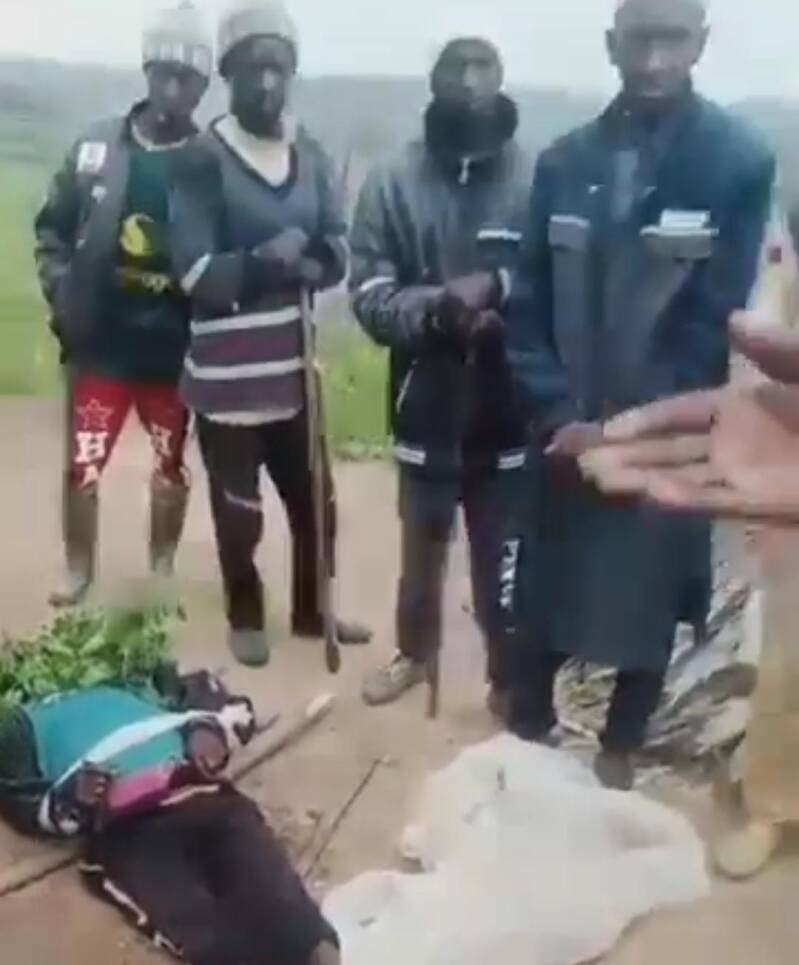
According to multiple reports, the clash occurred at about 7:35 a.m., following an earlier confrontation between youths from the two communities. Troops of Sector 8, Operation Enduring Peace (OPEP), responded to reports of sustained gunfire at the location and swiftly moved in to contain the situation. The troops deployed superior firepower, forcing both sides to withdraw from the area. But the damage had already been done. Three persons lay dead – one member of the local community and two Fulani herders. One other person from the local community also sustained injuries and was receiving treatment.
The two Fulani herders, whose names have not been released, were reportedly innocent victims of a conflict that had nothing to do with them. Their families, now plunged into grief, are left to mourn the loss of breadwinners who had simply gone about their daily business of tending to cattle in a region where pastoral life has become a death sentence. The targeted killing of these herders has deepened the wounds of a community already scarred by years of farmer-herder violence, displacing thousands and claiming countless lives in Plateau State.
The Mwaghavul militia, suspected to be responsible for the killings, has been accused of carrying out a targeted attack against the Fulani herders. This incident is part of a broader pattern of violence in Mangu LGA, where communal tensions between farming and herding communities have frequently erupted into deadly confrontations. Just days earlier, on August 2, suspected Mwaghavul youths killed four cattle belonging to a Fulani herder in a separate attack, raising fears of reprisal. The recurring violence has led to a cycle of attacks and reprisals that has left both communities trapped in a spiral of bloodshed.
The Plateau State Police Command has yet to officially comment on the incident, but troops have continued to maintain a presence in the area to prevent further violence and deter any attempt by the parties to regroup. Security forces have also intensified patrols and maintained vigilance around the affected communities as efforts continue to prevent further escalation of the conflict. The military has urged residents to remain calm and report any suspicious activities to security agencies.
For the families of the two Fulani herders, the pain is immeasurable. Their loved ones were not soldiers or politicians; they were simple men trying to eke out a living in a region where even the most basic existence has become a gamble. Their deaths are a stark reminder of the human cost of Nigeria's farmer-herder crisis, a conflict that has claimed thousands of lives and displaced millions across the north-central region.
As the community buries its dead and tends to the injured, the question remains: how many more families must mourn before the government takes decisive action to end the cycle of violence? The clash at Jwak Maitumbi is a sobering reminder that the pursuit of peace in Plateau State remains elusive, and that the blood of innocent herders continues to stain the soil of a land that has seen far too much sorrow.
📩 Stone Reporters News | 🌍 stonereportersnews.com
✉️ info@stonereportersnews.com | 📘 Facebook: Stone Reporters News | 🐦 X (Twitter): @StoneReportNew | 📸 Instagram: @stonereportersnews
Add comment
Comments