

Reported by: Ijeoma G | Edited by: Oravbiere Osayomore Promise.
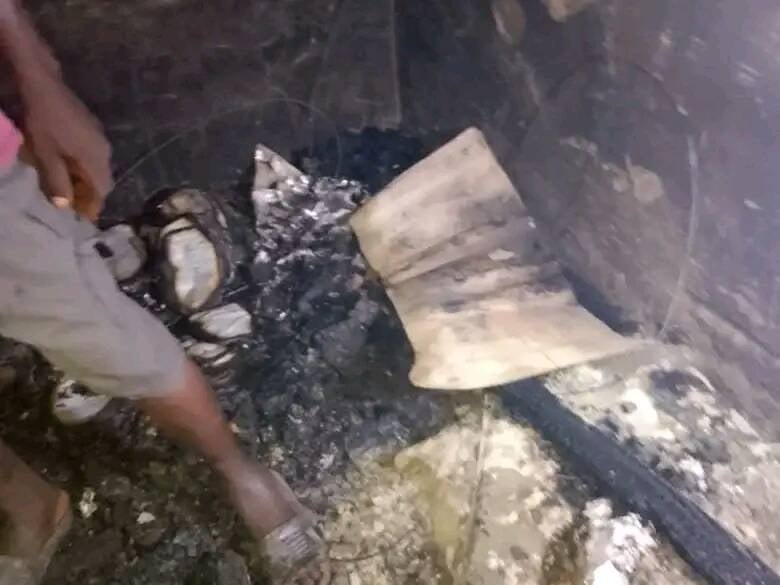
A residential building in the Eyenkorin area of Asa Local Government Area, Kwara State, was partially destroyed by an early‑morning fire on Sunday, May 24, 2026, after improperly extinguished charcoal stored near the structure reignited and spread flames to the property. The Kwara State Fire Service confirmed that the blaze, which occurred at about 12:38 am at Tewo‑Gbore Street, Ogele Ori‑Sunbare, affected a building comprising a room‑and‑parlour self‑contained apartment and a two‑bedroom flat. Firefighters responded swiftly to a distress call from the area and, through coordinated efforts, successfully contained the fire, preventing it from spreading to nearby structures. No life was lost in the incident, as all residents were safely evacuated, the service said.
In a statement issued on Sunday by the fire service spokesperson, Hassan Adekunle, preliminary investigations traced the cause of the fire to sacks of charcoal that had been recently unloaded and stored within the vicinity of the building. “Findings indicated that sacks of charcoal had just been unloaded, and part of the charcoal was not completely extinguished,” Adekunle said. “Upon exposure to air, the residual heat reignited and exacerbated the situation, resulting in the fire spreading to the building.” The statement explained that the improperly quenched embers had retained enough heat to reignite when oxygen reached them, a phenomenon well known to fire safety experts but often overlooked by residents and traders handling charcoal, especially during the dry season.
The timely intervention of the fire service limited the extent of the damage. Although the affected apartments suffered significant destruction, an adjoining building was saved. “Firefighters swiftly mobilised to the scene and, through their timely and coordinated efforts, successfully contained the fire and saved an adjoining building from being affected,” Adekunle said. The service did not release an estimated monetary value of the loss, but residents described the damage as substantial, with household items, furniture, and electrical appliances destroyed in the affected flats.
The Director of the Kwara State Fire Service, Alabi Muhammed, used the incident to issue a stern warning to charcoal dealers, transporters, and residents against the careless handling and storage of combustible materials that are capable of retaining heat. He emphasised the need to avoid storing such materials close to residential buildings and urged residents to remain vigilant and promptly report fire outbreaks to emergency responders. The agency reiterated its commitment to safeguarding lives and property through proactive emergency response and public safety sensitisation across the state.
This incident is the second notable fire in Kwara State within a fortnight. Barely two weeks earlier, on May 12, 2026, a major fire outbreak destroyed no fewer than 24 shops at the popular Mandate Ultra‑Modern Market in Ilorin, the state capital. That blaze, which occurred in the early hours of the day, also required the intervention of the fire service to prevent a wider disaster. While the cause of the market fire is still under investigation, it added to the growing concerns over fire safety preparedness in commercial and residential areas across the state.
The Eyenkorin fire has once again highlighted the dangers of improper handling of traditional energy sources like charcoal, which remains a primary cooking fuel for many low‑income households in Kwara and across Nigeria. Unlike gas or electric stoves, charcoal fires can smoulder for hours after use, and if not completely doused with water or sand, they pose a persistent risk of reignition. In this case, the charcoal had been unloaded and left near the building, giving the residual heat the opportunity to build up and eventually ignite surrounding materials.
Residents of Tewo‑Gbore Street expressed relief that no one was hurt but called on the local government and the fire service to intensify public education campaigns on fire prevention, especially in densely populated settlements where buildings are often constructed close together. “We were lucky this time, but next time we might not be,” one neighbour told reporters. “People need to be taught how to handle charcoal safely, and the government should enforce rules about where combustible materials can be stored.”
The Kwara State Fire Service has pledged to continue its public sensitisation efforts and has encouraged residents to report emergencies through its dedicated hotlines. The agency also reminded the public that many fire incidents are preventable through simple precautions: ensuring that cooking fires are fully extinguished, keeping flammable materials away from heat sources, and avoiding the storage of charcoal or firewood inside or immediately adjacent to living quarters.
As of the time of this report, the affected building had been cordoned off, and the occupants of the damaged apartments were making arrangements for temporary accommodation. The fire service has concluded its on‑scene investigation, and no further updates on potential arrests or sanctions have been issued, as no criminal intent was established. The blaze was ruled accidental, caused by negligence rather than malice. For the residents of Eyenkorin, the early‑morning fire serves as a stark reminder that even a seemingly harmless sack of charcoal can become a deadly weapon when carelessly handled.
📩 Stone Reporters News | 🌍 stonereportersnews.com
✉️ info@stonereportersnews.com | 📘 Facebook: Stone Reporters News | 🐦 X (Twitter): @StoneReportNew | 📸 Instagram: @stonereportersnews
Add comment
Comments