

Reported by: Oahimire Omone Precious | Edited by: Oravbiere Osayomore Promise.
A quiet crisis is boiling over in kitchens across Nigeria. The Nigerian Association of Liquefied Petroleum Gas Marketers (NALPGAM) has raised an urgent alarm over the erratic supply and soaring cost of cooking gas, popularly known as LPG, warning that retail prices have surged to as high as N1,500 per kilogram in many locations, with some dealers now selling between N1,600 and N2,000 per kilogram. In a joint statement signed by NALPGAM National President Edu Inyang and Executive Secretary Bassey Essien on Sunday, May 24, 2026, the association described the situation as “sad and rather very pathetic,” noting that marketers are now forced to pay between N25.2 million and N26.2 million for a 20‑metric‑tonne truck of LPG, depending on location. “The citizens of Nigeria have woken up to buy cooking gas, which should be a social item, at a prohibitive cost of over N1,500 per kg,” the statement read. “We feel that if the situation is not immediately checked, the citizens may rise against the owners of gas filling stations.”
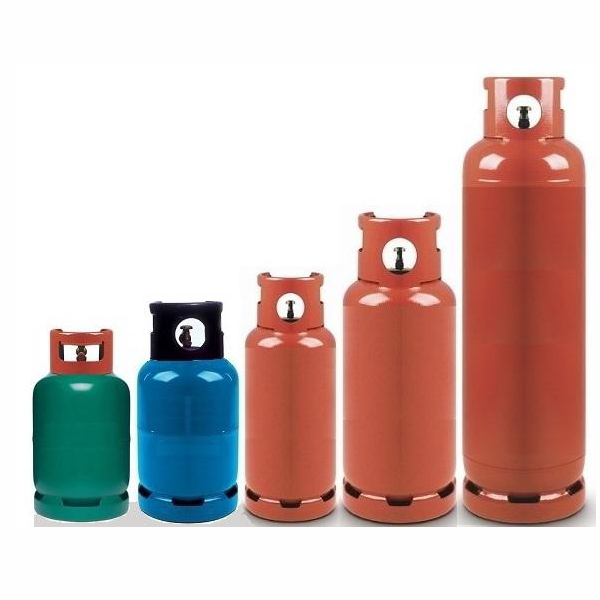
The sharp price increase represents a dramatic escalation from just five months ago. In January 2026, cooking gas was retailing for approximately N1,000 per kilogram. By April, prices had risen to between N1,300 and N1,400 per kilogram in Lagos, but the latest surge has now pushed the average retail price to N1,500 per kilogram. A standard 12.5‑kilogram cylinder, which cost N16,250 in April, now sells for N18,750 – an increase of over 15 percent in a single month and more than 25 percent of the current N70,000 minimum wage. For a minimum‑wage earner, refilling a 12.5kg cylinder consumes more than a quarter of their entire monthly salary, a crushing blow to household budgets already stretched thin by record food inflation and high transportation costs.
Multiple factors have converged to create the perfect storm in Nigeria’s LPG market. Depot stocks have dried up nationwide, with only three major facilities currently holding commercial volumes of LPG: Dangote Petroleum Refinery, Ardova Plc, and Navgas. According to market sources, Dangote Refinery sold LPG at N1,060 per kilogram, while Ardova Plc and Navgas sold at N1,065/kg and N1,085/kg, respectively. However, dwindling availability has forced marketers to compete for limited supplies, driving up ex‑depot prices and creating a ripple effect that has reached retail consumers. Adding to the pressure, rising domestic demand – as more households and businesses switch to cooking gas amid persistent electricity shortages and the high cost of petrol and diesel – has outpaced available supply, further tightening the market.
The crisis threatens to reverse years of progress made under the federal government’s clean energy transition agenda. NALPGAM noted that millions of Nigerians had embraced cooking gas as a safer alternative to kerosene, charcoal and firewood, but the current price shock is now forcing many families to revert to dirty fuels. “Households are struggling to refill cylinders, small businesses are folding under rising energy costs, while many families are reverting to firewood and charcoal despite the serious implications for public health, environmental degradation, and deforestation,” the association warned. The consequences extend beyond kitchen tables. NALPGAM cautioned that without urgent intervention, the crisis could trigger accelerated food inflation, collapse small‑scale LPG retail businesses, lead to job losses, reduce investor confidence, and deal a significant setback to Nigeria’s clean energy and climate commitments.
The association has called on the Federal Government, the Ministry of Petroleum Resources, the Nigerian Midstream and Downstream Petroleum Regulatory Authority (NMDPRA), NNPC Ltd, domestic producers, terminal operators, and international suppliers to take immediate, coordinated action to stabilise the market. Its recommendations include increasing domestic LPG allocation to the Nigerian market, ensuring transparent and equitable distribution of available supply across regions, reducing bottlenecks in importation, storage and distribution, implementing strategic interventions to stabilise retail prices, and investing in critical storage and distribution infrastructure to prevent future supply shocks. “We cannot stand by and watch millions of Nigerian families suffer in silence while access to clean cooking energy becomes increasingly difficult and unaffordable,” the statement added.
For millions of households, small businesses, food vendors, and low‑income families who depend on LPG for daily cooking and livelihood, the crisis is already having dire consequences. In Lagos, cooking gas prices rose from about N1,300–N1,400 per kilogram in April to between N1,350 and N1,500 in May. In the Federal Capital Territory and Nasarawa State, LPG prices climbed to as high as N1,500 per kilogram, while in Rivers State, a 12.5kg refill cost between N18,750 and N22,500 depending on location. Across the country, a standard 12.5kg cylinder now sells between N16,250 and N22,500. Market surveys indicate that only Navgas remains the sole depot on the Lagos mainland with available LPG stock for loading, highlighting the severity of the supply crunch.
Energy analyst Dr. Kemi Adeyemi noted that Nigeria’s dependence on imported refined products and LPG makes domestic pricing highly vulnerable to foreign exchange fluctuations. “The major pressure point remains the exchange rate. As long as import dependence continues, any forex instability immediately feeds into pump prices and cooking gas costs,” she said. Another energy policy expert, Dr. Musa Ibrahim, pointed to logistics and depot inefficiencies as worsening regional disparities. “What we are seeing is a fragmented supply chain. Inland states and areas farther from depots pay significantly more due to transportation and distribution bottlenecks,” he explained.
As of Monday, May 25, 2026, the Federal Government has yet to issue a formal response to NALPGAM’s alarm. However, the association has made it clear that time is of the essence. With cooking gas consumption having risen from 900,000 metric tonnes in 2021 to 2 million metric tonnes in 2025 – making Nigeria the fastest‑growing LPG market in Africa – the stakes could not be higher. If the current trajectory continues, the gains of the past five years will be erased, and millions of Nigerian families will be forced to choose between feeding their children and cooking their food.
📩 Stone Reporters News | 🌍 stonereportersnews.com
✉️ info@stonereportersnews.com | 📘 Facebook: Stone Reporters News | 🐦 X (Twitter): @StoneReportNew | 📸 Instagram: @stonereportersnews
Add comment
Comments