

Reported by: Oahimire Omone Precious | Edited by: Oravbiere Osayomore Promise.
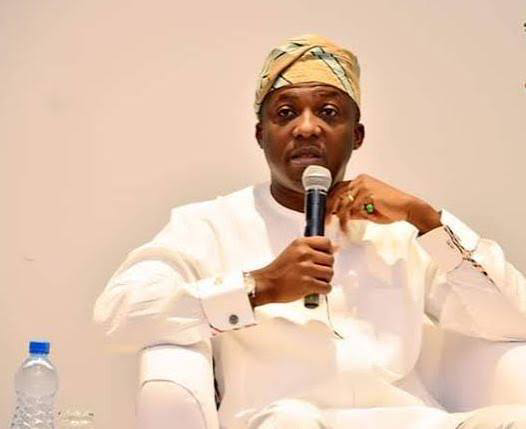
The Lagos State Government has significantly intensified its environmental enforcement, announcing the arrest of over 10,000 individuals for various environmental and sanitation-related offences, the sealing of 239 facilities, and the removal of more than 1,500 structures illegally built on drainage channels. The data was released by the Commissioner for Environment and Water Resources, Tokunbo Wahab, during the 2026 Ministerial Press Briefing held on Sunday, May 24, 2026, at the Bagauda Kaltho Press Centre in Alausa, Ikeja. The briefing, part of activities marking the seventh year of Governor Babajide Sanwo-Olu’s administration, outlined the state’s intensified efforts to enforce environmental laws, improve public health, and mitigate the perennial challenge of flooding.
Wahab disclosed that the state recorded a total of 10,634 arrests across several violation categories. A breakdown of the figures shows that 5,715 individuals were arrested for illegal highway crossing, a dangerous practice that has persisted despite repeated warnings and the availability of pedestrian bridges. Another 3,886 people were detained for street trading, cart‑pushing, and other activities that contribute to environmental pollution, traffic obstruction, and public nuisance. A total of 102 persons were apprehended for open defecation, a public health hazard that the state has vowed to eradicate through the “Zero Tolerance” campaign. These arrests were carried out through the ministry’s strengthened Monitoring, Enforcement and Compliance (MEC) operations, which also targeted waste‑related offences, leading to the apprehension of an additional 931 individuals.
Wahab said the enforcement drive also recorded significant progress in waste management compliance, with the inspection of 2,251 sites across the state and the issuance of 1,711 contravention notices to individuals and corporate entities found violating environmental regulations. A total of 239 facilities were sealed over the past year for various infractions, including illegal waste discharge, non‑compliance with the state’s waste management framework, and failure to engage accredited Private Sector Participant (PSP) waste operators. The commissioner said the government had also revoked the licences of five underperforming PSP operators after a performance assessment exercise, while healthcare waste management was strengthened with the deployment of 35 additional PSP operators to medical facilities across Lagos’s three senatorial districts.
In tandem with enforcement, the state has continued to push toward a circular economy. Wahab noted that 137,530.94 kg of PET plastics had been removed from the environment, while the government sustained its ban on Styrofoam and single‑use plastics. A key milestone was the commissioning of the Ikosi Waste‑to‑Energy Biodigester Plant, located within the Ketu Fruit Market. The plant processes 0.5 tonnes of organic waste daily, generating 30 kWh of electricity for lighting and cold storage, while delivering an estimated annual emission saving of 9,000 tonnes of CO₂ equivalent. The facility also produces cooking gas and agricultural fertiliser, providing a model for converting urban waste into productive resources. The government has also signed 12 new partnerships on environmental sustainability aimed at expanding recycling and waste‑to‑wealth initiatives across the state.
Speaking on flood prevention, Wahab said the Drainage Enforcement and Compliance Department identified 2,218 structures built on or obstructing drainage alignments across the city. Of these, 1,544 were demolished or removed between 2025 and April 2026. The remaining 674 structures were not removed during the period under review, and the ministry gave no timeline for when those would be addressed. In addition to the removals, the department restored 12 kilometres of primary channels and cleared 123.5 metres of right‑of‑way. Separately, rapid‑response teams cleaned approximately 210 kilometres of secondary and tertiary drains across all 20 local government areas. Nine facilities were also sealed for illegal wetland encroachment in areas including Ogombo, Lekki Phase II, Itoikin‑Epe, and Majidun in Ikorodu—developments that officials said would have permanently degraded ecosystems that naturally buffer the city against flooding. The ministry also maintained and cleaned 18 primary drainage channels covering 76 kilometres and secondary channels spanning 178 kilometres.
Wahab noted that the administration has deployed modern technology to improve environmental management. The Lagos State Environmental Protection Agency (LASEPA) completed 114 installations of air quality sensors and rehabilitated air pollution abatement facilities across the state, strengthening efforts to monitor and reduce air pollution. Cleaner fish processing technology was also introduced at Ago Egun, Makoko, through the deployment of improved fish kilns to curb smoke emissions, reduce pollution, and enhance the well‑being of local fish processors. Over 100 air quality monitoring sensors have now been deployed statewide. In terms of climate resilience, Lagos retained its position as Nigeria’s top‑performing state in climate governance for the second consecutive year and successfully hosted the 2025 Lagos International Climate Change Summit focused on financing Africa’s coastal resilience and blue economy opportunities. The ministry also recorded the planting of 16,966 trees across the state, alongside the creation of new recreational parks and the renovation of existing ones.
Beyond the enforcement data, the press briefing also highlighted the ministry’s achievements in water supply and sanitation, the continued drive toward a zero‑waste economy, and the sustained support for waste‑to‑energy and recycling programmes. The government has also been working to improve landfill efficiency and reduce waste truck turnaround time across disposal facilities. The commissioner stressed that the state remains committed to strengthening environmental compliance, deploying modern technology, and intensifying enforcement efforts to ensure a cleaner and healthier Lagos.
The scale of the enforcement figures illustrates the scope of the challenge facing Lagos. Illegal construction on drainage channels persists, and the ministry’s removal of 1,544 structures, while significant, leaves 674 still standing—with no timeline given for their removal. Waste management, highway crossing, open defecation and street trading remain widespread, requiring a sustained combination of prosecution, public education and infrastructural investment. The government has repeatedly warned that indiscriminate dumping of refuse attracts a fine of N250,000 or up to three months imprisonment, and courts have recently imposed such sentences, including the conviction of two individuals at a magistrate court in Bolade Oshodi on May 18, 2026. However, the continued high number of arrests suggests that deterrence alone has not been sufficient. The Sanwo‑Olu administration has framed its approach as part of the THEMES Plus Agenda, which prioritises environmental sustainability and flood resilience. However, environmental advocates have called for even more aggressive action, arguing that the scale of the problem requires not only more enforcement but also a deeper investment in the drainage infrastructure itself.
Wahab reaffirmed the government’s determination to create a cleaner, healthier, flood‑resilient and environmentally sustainable megacity. With the rainy season already underway, the effectiveness of the enforcement and infrastructure measures will soon be tested. The 1,544 structures removed from drainage alignments may have eased pressure on the system, but the 674 still standing, along with the persistent challenge of waste blocking collectors during storms, mean that the fight against flooding is far from over.
📩 Stone Reporters News | 🌍 stonereportersnews.com
✉️ info@stonereportersnews.com | 📘 Facebook: Stone Reporters News | 🐦 X (Twitter): @StoneReportNew | 📸 Instagram: @stonereportersnews
Add comment
Comments