

Reported by: Ijeoma G | Edited by: Oravbiere Osayomore Promise.
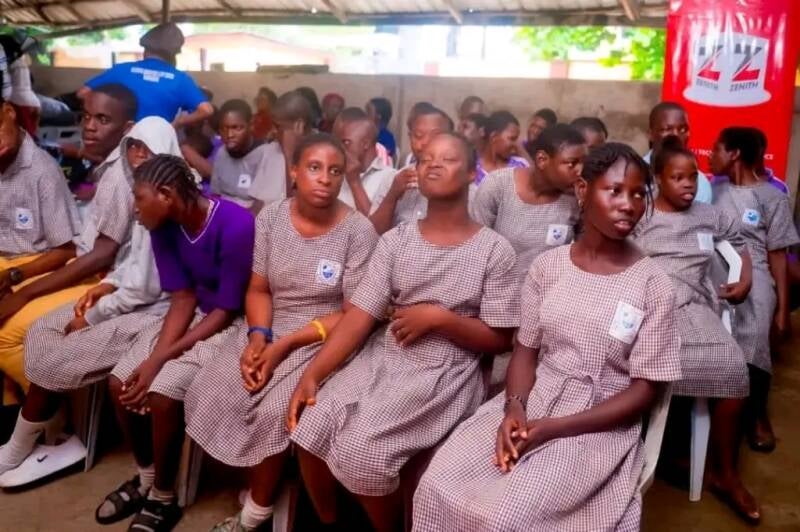
No fewer than 300 girls with disabilities in Lagos State have received menstrual hygiene kits at the 2026 World Menstrual Hygiene Day celebration, an initiative designed to tackle period poverty, break the stigma surrounding menstruation, and ensure that girls with disabilities have access to the resources they need to manage their menstrual health with dignity. The event, which was organised by the Lagos State Office for Disability Affairs in partnership with Plan International Nigeria, Oando Foundation, Zenith Bank Plc, and FlowVantage, was held at the State Senior Grammar School in Surulere on Monday, 6 July 2026.
Each beneficiary received a kit containing sanitary pads, underwear, soap, towels, wipes, and menstrual hygiene information materials presented in accessible formats. Beyond the distribution of kits, the event featured an interactive session facilitated by the Founder of FlowVantage, Yeside Olayinka-Agbola, where the girls were educated on proper menstrual hygiene practices, including the correct use and safe disposal of sanitary pads, personal hygiene, and self-care during menstruation.
Speaking at the event, the General Manager of LASODA, Adenike Oyetunde-Lawal, said the initiative was aimed at tackling menstrual stigma, improving access to menstrual health information, and ensuring that girls with disabilities have access to hygienic menstrual products and inclusive sanitation facilities. She noted that menstruation remained a major challenge for many girls with disabilities due to stigma, inadequate information, poor support systems, and environmental barriers. "Menstruation is a natural biological process experienced by millions of women and girls. Unfortunately, many girls, particularly those with disabilities, still face significant challenges in managing their menstrual health with dignity because of stigma, inadequate information, and limited support," she said.
Oyetunde-Lawal also urged male students to support their female classmates during menstruation instead of ridiculing or discriminating against them. She emphasised that the initiative aligns with the provisions of the United Nations Convention on the Rights of Persons with Disabilities and the Lagos State Special People's Law. The collaboration with Plan International Nigeria, she added, supports LASODA's mandate to promote the rights, dignity, and inclusion of persons with disabilities in Lagos State.
Also speaking, the Director of Philanthropy at Plan International Nigeria, Sheila Ojei, reaffirmed the organisation's commitment to ensuring that every child, irrespective of disability or background, has equal opportunities to thrive. "Every child deserves the opportunity to be safe, learn, and achieve their dreams. Regardless of the community you come from, or whether you have a disability, we want to support you to realise your full potential. Every child deserves to be included, respected, and empowered," Ojei said. She stressed that education remained a fundamental right, adding that no girl should miss school because of menstruation.
The initiative comes at a time when period poverty and menstrual stigma continue to pose significant barriers to the education and well-being of girls across Nigeria. According to reports, many girls of school age, especially those from economically disadvantaged backgrounds and those with disabilities, resort to using unhygienic alternatives due to the high cost of sanitary products. For many girls with disabilities who are from poor families, purchasing single-use sanitary products is a tall order as they can barely afford it. The organisers of the initiative said the programme aims to promote inclusive menstrual health, improve school attendance among girls with disabilities, and create a more supportive environment for their overall well-being.
The 2026 World Menstrual Hygiene Day celebration in Lagos represents a significant step towards addressing the unique challenges faced by girls with disabilities in managing their menstrual health. By providing both the essential products and the education needed to use them effectively, the initiative empowers these girls to attend school with confidence and dignity, breaking down one of the many barriers that have historically excluded them from equal participation in education and community life. As Oyetunde-Lawal aptly put it, the goal is to ensure that every girl, regardless of her disability, can manage her menstrual health with dignity and without fear of stigma or discrimination. For the 300 girls who received the kits, the message is clear: their health, education, and dignity matter.
📩 Stone Reporters News | 🌍 stonereportersnews.com
✉️ info@stonereportersnews.com | 📘 Facebook: Stone Reporters News | 🐦 X (Twitter): @StoneReportNew | 📸 Instagram: @stonereportersnews
Add comment
Comments