

Reported by: Ijeoma G | Edited by: Oravbiere Osayomore Promise.
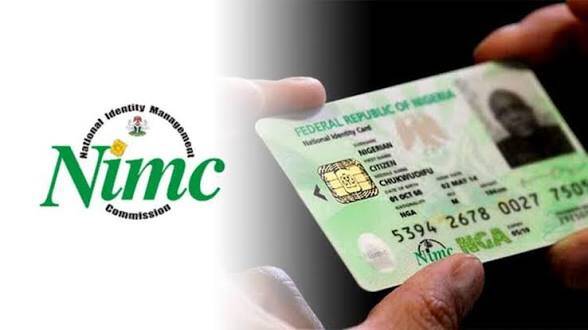
The National Identity Management Commission (NIMC) has enrolled more than 136 million Nigerians and legal residents into the National Identity Database, marking a major milestone in the country's drive toward a unified digital identity system as the Federal Government begins implementing a sweeping new law that repeals the 2007 NIMC Act and establishes a modern legal framework for identity management. The announcement, made on Tuesday, 7 July 2026, by NIMC Director-General Abisoye Coker-Odusote during a stakeholder engagement with the Federal Ministry of Budget and Economic Planning, comes just weeks after President Bola Ahmed Tinubu signed the NIMC Act 2026 into law on 26 June 2026, replacing the two-decade-old legislation and positioning the National Identification Number (NIN) as the country's foundational identifier under a "one person, one identity" policy.
The new legislation represents a paradigm shift in how identity services are delivered across public and private sectors, officially designating NIMC as the Root Certification Authority for Nigeria's National Public Key Infrastructure and Digital Public Infrastructure. According to Coker-Odusote, the commission aims to complete enrolment and issuance of NINs to all Nigerians and legal residents "within the shortest possible time," adding that NIMC would collaborate with the Ministry of Budget and Economic Planning to leverage the NIN for economic planning and national development initiatives. The last official data published on the commission's website showed enrolment stood at 123.9 million as of October 2025, meaning the database has grown by more than 12 million in just eight months.
The NIMC Act 2026, which repeals the 2007 legislation, introduces a comprehensive legal framework designed to modernise Nigeria's digital identity architecture, strengthen cybersecurity, and enhance data protection. Under the new law, NIMC is legally empowered to oversee secure digital identity management, biometric and data authentication, and electronic trust services across all public and private sector platforms. The legislation also introduces stronger safeguards aligned with the Nigeria Data Protection Act, prescribes tougher penalties for multiple registrations and identity-related fraud, and mandates measures to enrol vulnerable populations. Special provisions exist for vulnerable people and Nigerians in the diaspora, reflecting the government's commitment to inclusion.
Speaking during the engagement, Minister of Budget and Economic Planning, Senator Abubakar Atiku Bagudu, described the new law as a transformative milestone that would strengthen Nigeria's digital identity ecosystem and accelerate national planning and development. He called for deeper collaboration among federal, state and local governments to eliminate the duplication of identity databases across government institutions and build greater public confidence in the national identity system. "The National Identification Number should serve as Nigeria's single, universally accepted identity standard, supporting efficient service delivery and good governance," Bagudu said. He stressed that the success of the new Act would ultimately depend on its effective implementation and the tangible benefits delivered to Nigerians.
The government views a comprehensive identity database as a critical tool for improving public service delivery, strengthening economic planning, expanding access to digital services, and enhancing financial inclusion and social intervention programmes. According to Bagudu, a reliable identity database will provide accurate demographic and socio-economic information needed for evidence-based policymaking, efficient resource allocation, development planning, and service delivery down to the ward level. The enrolment of over 136 million people represents one of the largest expansions of Nigeria's identity database since the establishment of NIMC and is expected to bolster government efforts to improve planning, financial inclusion, security, taxation, and the delivery of public services through a unified digital identity system.
However, the path to full enrolment presents significant operational challenges. To achieve its target of 180 million enrolments by the end of 2026, NIMC would need to register more than three million people every month, a pace that experts say will test the commission's capacity. The new law also introduces stronger data protection measures, requiring NIMC to align its data practices with the Nigeria Data Protection Act and international privacy standards. The commission has warned against identity theft, fraudulent NIN registrations, phishing of biometric data, and enrolment agents who register non-Nigerians for money, threats that the new legal framework is designed to address.
The NIMC Act 2026 also elevates the status of the NIN, strengthens Nigeria's digital public infrastructure, and provides for the issuance of a general multi-purpose identity card. The legislation is expected to improve access to identity services for Nigerians at home and in the diaspora, strengthen cybersecurity, and position the country to take advantage of opportunities in the global digital economy. As emerging technologies such as Artificial Intelligence reshape the digital landscape, Bagudu urged NIMC to continually review its policies and safeguards to protect citizens' data and ensure that the country's identity management framework remains resilient and future-ready.
The reforms are expected to strengthen digital governance, improve public service delivery, enhance cybersecurity, and support the federal government's broader development objectives. With the new legal framework now in place, Nigeria's push for a unified digital identity system comes as governments globally increasingly rely on secure identification infrastructure to improve planning, reduce fraud, and widen access to public and private sector services. For the 136 million Nigerians already enrolled, and the millions more yet to be registered, the NIMC Act 2026 represents a foundational reform that promises to reshape how citizens interact with government, access services, and participate in the digital economy.
📩 Stone Reporters News | 🌍 stonereportersnews.com
✉️ info@stonereportersnews.com | 📘 Facebook: Stone Reporters News | 🐦 X (Twitter): @StoneReportNew | 📸 Instagram: @stonereportersnews
Add comment
Comments