

Reported by: Oahimire Omone Precious | Edited by: Oravbiere Osayomore Promise.
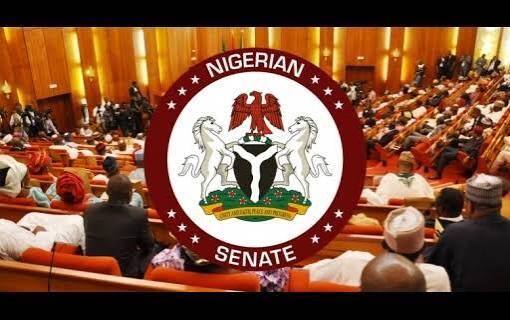
The Senate on Wednesday, 8 July 2026, took a decisive step towards strengthening Nigeria’s legal regime against counterfeit medicines and unsafe food products, passing for second reading a bill seeking stiffer penalties, enhanced enforcement measures and a comprehensive framework to combat the growing menace of fake drugs and adulterated medical products. The proposed legislation, titled the Counterfeit Medical Products, Fake Drugs and Unwholesome Processed Foods (Prohibition and Control) Bill, 2026 (SB. 951), is sponsored by Senator Umar Sadiq Suleiman (APC, Kwara North). Following the debate, Senate President Godswill Akpabio referred the bill to the Senate Committee on Health (Secondary and Tertiary) for further legislative work, with a mandate to report back within four weeks.
Leading the debate, Senator Suleiman painted a grim picture of the dangers posed by fake medicines, describing them as "weapons of mass destruction" that constitute a grave threat to public health and national security. He argued that the existing Counterfeit and Fake Drugs and Unwholesome Processed Foods Act, Cap. C34, Laws of the Federation of Nigeria, 2004, had become obsolete and incapable of addressing the sophistication of modern counterfeit drug syndicates. According to him, advances in technology, online marketing, cross-border trafficking and organised criminal networks had rendered the current legal framework inadequate to effectively tackle the growing menace. "Healthcare is a fundamental responsibility of government, and Nigerians deserve medicines that are genuine, safe and effective," Suleiman said. "Sadly, this expectation is too often betrayed by criminal networks whose only objective is to profit at the expense of human lives". He warned that the counterfeit trade had expanded beyond prescription drugs to include adulterated cosmetics, contaminated packaged water, and other unwholesome processed foods sold in open markets, motor parks, roadside shops, and online platforms.
The bill proposes stringent punishments, including prison terms of up to 15 years for serious offences, heavy fines, forfeiture of assets linked to the crime, and mandatory financial compensation for victims or their families. It also provides for sanctions against corporate organisations and their directors found culpable. The legislation criminalises the production, importation, manufacture, transportation, distribution, sale, possession and facilitation of counterfeit medical products, fake drugs and unwholesome processed foods. It also outlaws the manufacture or possession of labels, wrappers, packaging materials and equipment intended for counterfeit production. In a significant move, the bill prohibits the sale or hawking of drugs in unauthorised locations, including markets, motor parks, roadside stalls, buses, ferries and unlicensed online platforms.
To strengthen enforcement, the bill empowers the National Agency for Food and Drug Administration and Control (NAFDAC) to deploy modern product tracking and tracing technologies capable of detecting counterfeit medical products across the supply chain. It also provides for the establishment of national and state enforcement task forces comprising NAFDAC, the Nigeria Police, the Nigeria Customs Service, the Nigeria Immigration Service, and the Pharmacy Council of Nigeria to coordinate intelligence gathering and dismantle cross-border smuggling networks. NAFDAC is also empowered to inspect facilities, seize counterfeit products, arrest suspects, seal offending premises and strengthen surveillance at Nigeria's ports of entry. To fast-track prosecution, the bill vests exclusive jurisdiction over counterfeit drug cases in the Federal High Court, provides for accelerated trial procedures, and recognises electronic evidence in criminal proceedings.
The bill received overwhelming support from lawmakers during debate. Senator Samson Ekong (Akwa Ibom South) described the legislation as timely and long overdue, lamenting that counterfeit medicines had become so widespread that "the principal beneficiaries" were casket makers due to avoidable deaths. He said the Senate had a duty to send a clear message that the business of trading in fake medicines must end through effective deterrent penalties that protect lives and public health. Senator Adams Oshiomhole (Edo North) said virtually every Nigerian had either been a victim or was at risk of becoming a victim of fake drugs. While acknowledging NAFDAC's efforts, Oshiomhole said counterfeit medicines remain rampant across rural and urban communities, contributing to rising cases of kidney disease and other organ failures. He described fake medicines as "instruments of death" and urged lawmakers to support stronger legal sanctions against offenders.
However, some senators raised concerns over possible overlaps between the proposed legislation and the existing NAFDAC Act. Deputy Senate President Barau Jibrin supported the bill but stressed the need to clearly establish its relationship with the agency's enabling law. He said concerns over possible conflicts had been addressed after it became clear that NAFDAC supported the proposal because of gaps in the current legal framework. Senate President Godswill Akpabio thanked senators for their contributions, saying concerns over the relationship between the proposed legislation and the NAFDAC Act would be addressed during the committee stage.
Describing the legislation as a life-saving intervention, Senator Suleiman said the proposal goes beyond punishment by seeking to protect public health, safeguard legitimate businesses, improve consumer confidence and align Nigeria's anti-counterfeit regime with global best practices. The bill, if passed into law, will repeal the existing 2004 Act and replace it with a modern legal framework capable of addressing emerging threats such as online drug sales, cross-border trafficking, sophisticated counterfeiting techniques and organised criminal networks. The Senate Committee on Health (Secondary and Tertiary) is expected to submit its report within four weeks, after which the bill will proceed to the Committee of the Whole for further consideration before a third reading and eventual passage.
📩 Stone Reporters News | 🌍 stonereportersnews.com
✉️ info@stonereportersnews.com | 📘 Facebook: Stone Reporters News | 🐦 X (Twitter): @StoneReportNew | 📸 Instagram: @stonereportersnews
Add comment
Comments