

Reported by: Ijeoma G | Edited by: Oravbiere Osayomore Promise.
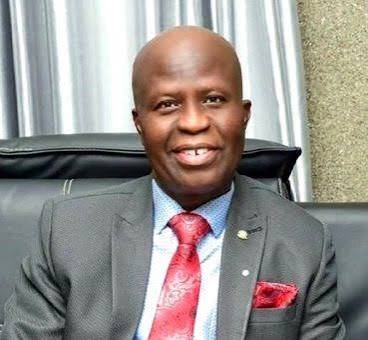
The Senate has confirmed Professor Abayomi Sunday Fasina as a non-career ambassador and high commissioner of the Federal Republic of Nigeria, overriding objections from some lawmakers and civil society groups who had raised serious allegations of sexual harassment, human rights violations and victimisation against the nominee. The confirmation, which followed the consideration and adoption of the report of the Senate Committee on Foreign Affairs, came after a heated debate that exposed deep divisions among lawmakers.
Presenting the committee's report, Senator Simon Lalong urged the Senate to approve Fasina's nomination. The committee maintained that allegations against Fasina had been investigated by competent authorities, including the governing council of the Federal University Oye-Ekiti, where he served as Vice-Chancellor, and the Nigeria Police Force, both of which concluded that the claims were unsubstantiated. Senate President Godswill Akpabio backed the committee's recommendation, noting that it had also relied on reports from the Department of State Services. He urged senators to base their decisions on verified facts rather than hearsay.
However, the nomination faced strong opposition from some lawmakers. Senator Cyril Fasuyi, a member of the Foreign Affairs Committee who had signed the report recommending confirmation, later voiced his objections during plenary. He argued that the allegations remained a matter of public concern in Oye-Ekiti and claimed that a woman involved in the matter had approached him personally, saying she had not received justice. Senator Adams Oshiomhole also raised strong objections. The debate intensified when Fasuyi urged the chamber to suspend consideration and allow a fresh review.
In defence of the nominee, Senate Chief Whip Mohammed Tahir Monguno cited Section 36(5) of the 1999 Constitution, stressing that every citizen remains innocent until proven guilty by a competent court. Senator Abdul Ningi also rallied support for the committee's recommendation, arguing that the Senate could not undermine the integrity of its own committee system after a detailed investigation had already been conducted. Akpabio cautioned lawmakers against discussing matters that could prejudice ongoing legal processes. The atmosphere eased when Fasuyi eventually withdrew his objection after clarifications that the nominee hails from Lagos State and no senator from the state had opposed the nomination.
The confirmation came days after a coalition of civil society organisations stormed the National Assembly on July 7, 2026, protesting against Fasina's nomination. The protesters cited allegations of sexual harassment, human rights violations and victimisation, and argued that the nominee had pending cases before the National Industrial Court in Lagos and Abuja. Speaking on behalf of the group, lawyer Adeyemo Amira said the protest was driven by concerns over accountability, protection of victims of workplace harassment and Nigeria's international reputation. The protesters urged the Senate to allow the judicial process to run its course before confirming his appointment. President Bola Tinubu had forwarded Fasina's name to the Senate for confirmation on June 24, 2026, as part of efforts to fill Nigeria's diplomatic missions.
📩 Stone Reporters News | 🌍 stonereportersnews.com
✉️ info@stonereportersnews.com | 📘 Facebook: Stone Reporters News | 🐦 X (Twitter): @StoneReportNew | 📸 Instagram: @stonereportersnews
Add comment
Comments