

Reported by: Ijeoma G | Edited by: Oravbiere Osayomore Promise.
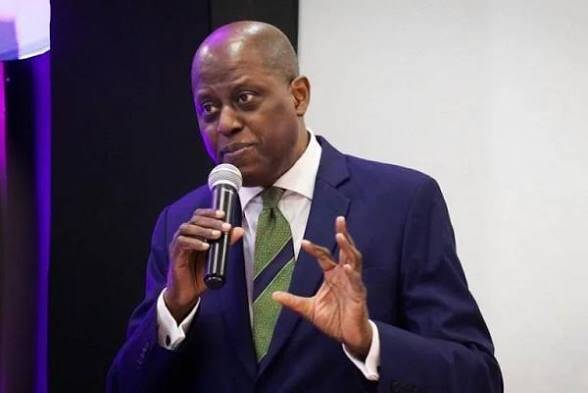
The Governor of the Central Bank of Nigeria, Olayemi Cardoso, has attributed the persistent scarcity of N100 and N200 notes to the growing adoption of digital payment channels and the declining purchasing power of lower-value currency, while insisting that all denominations remain legal tender. Cardoso made the clarification on Tuesday, July 21, 2026, during a press briefing at the end of the 306th Monetary Policy Committee meeting in Abuja. He urged Nigerians to continue accepting the N100 and N200 notes, stressing that the Central Bank had not withdrawn any denomination from circulation. "Yes, they remain legal tender. Unless the central bank states otherwise, Nigerians should assume that all existing denominations remain legal tender," Cardoso said.
According to the CBN governor, the reduced circulation of lower-denomination notes reflects changing demand patterns within the financial system rather than any deliberate policy to phase them out. He explained that as more Nigerians embrace digital payment platforms, the demand for physical cash, particularly lower denominations, naturally declines. "As more people adopt digital payment channels, the demand for coins and lower-denomination notes naturally declines. If there is less demand for them, there is less need to print and circulate them in large quantities," Cardoso said. He noted that the financial ecosystem is evolving towards greater financial inclusion and increased digitisation, a trend the CBN actively encourages.
Cardoso also acknowledged that the depreciation of the naira has eroded the purchasing power of lower-value notes, making them less useful in day-to-day transactions. "Of course, we must also acknowledge that currency devaluation has affected the purchasing power of lower-value notes. That is a reality," he said. He emphasised, however, that the broader global trend favours digital payments over cash, and that Nigeria would not be left out of this transition. "More importantly, however, as financial inclusion expands and digital payments become part of everyday life, fewer people will rely on these denominations," Cardoso added.
The CBN governor also addressed the apex bank's inflation outlook, reaffirming its commitment to achieving single-digit inflation despite external shocks. He recalled that Nigeria had recorded 11 consecutive months of disinflation and expected to reach its single-digit target by early 2027. However, he noted that unanticipated external shocks had slowed the pace of disinflation. "Unfortunately, we have experienced external shocks that were not anticipated and have lasted much longer than anyone expected. As for our single-digit inflation target, we remain committed to it," Cardoso said.
Reacting to the International Monetary Fund's recent assessment that the naira is undervalued, with an estimated fair value of about N1,150 to the US dollar, Cardoso reiterated that the exchange rate should be determined by market fundamentals rather than a fixed target. He said the CBN would continue to support a transparent and market-driven foreign exchange regime anchored on a willing-buyer, willing-seller framework. "Our position remains the same. We will continue to ensure that Nigeria has a foreign exchange market that is transparent, liquid and based on a willing-buyer, willing-seller framework," he said. He added that the CBN is satisfied with recent developments in the foreign exchange market, noting improved liquidity and stronger investor confidence, with daily turnover exceeding $1 billion on some trading days.
Cardoso also defended the CBN's decision to revoke the licences of 46 microfinance banks, insisting the move was necessary to protect depositors' funds and strengthen regulatory compliance. He said 33 of Nigeria's 37 banks had successfully raised the required capital within the deadline, making the recapitalisation programme one of the most successful banking sector reforms in recent years. The CBN governor assured customers that banks yet to meet new capital requirements remain under close regulatory supervision and continue to operate safely. The remarks underscored the central bank's broader strategy of reinforcing financial stability while accelerating financial inclusion through increased adoption of digital payments.
📩 Stone Reporters News | 🌍 stonereportersnews.com
✉️ info@stonereportersnews.com | 📘 Facebook: Stone Reporters News | 🐦 X (Twitter): @StoneReportNew | 📸 Instagram: @stonereportersnews
Add comment
Comments