

Reported by: Puis Althea | Edited by: Oravbiere Osayomore Promise.
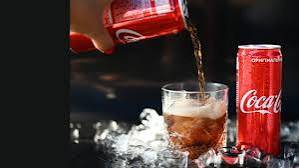
The ongoing conflict in the Middle East has delivered a fizzy shock to Indian consumers, forcing Coca-Cola to hike Diet Coke prices by more than 10 per cent and reshape its distribution strategy after the war choked supplies of aluminium cans. Unlike most other markets, Diet Coke is sold predominantly in aluminium cans in India, making it uniquely vulnerable to the supply chain disruptions triggered by the US-Israeli war on Iran. The company has now introduced larger, costlier cans sourced from Southeast Asia as the critical shipping route through the Strait of Hormuz remains virtually closed.
The price hike marks the latest chapter in a saga that began earlier this year when the war first sparked a Diet Coke shortage in India by squeezing aluminium can supplies, triggering an unusual wave of "Diet Coke parties" across the country. Now, the fizzy drink is getting pricier. The most popular variant in India, the 300-millilitre can previously priced at 40 Indian rupees (41 U.S. cents), is now in tight supply. Coca-Cola has rolled out 330-millilitre cans priced at 50 Indian rupees, with the company making the decision to account for higher procurement costs. On a per-millilitre basis, the price increase translates to 13.6 per cent.
The supply crunch is rooted in the near-closure of the Strait of Hormuz, a critical artery for aluminium cans and related raw materials travelling to India. Commercial traffic through the strait has been heavily disrupted following the collapse of an interim truce meant to end the Iran conflict, with fears that the disruption could widen further to block another sea route. Coca-Cola has been forced to procure pricier, larger-sized cans from Southeast Asia, according to two people with direct knowledge of the matter, who declined to be named as the strategy is confidential. The company has not publicly unveiled the pricing changes and did not respond to multiple requests for comment.
India's Diet Coke market is particularly exposed because the beverage is sold almost exclusively in cans, unlike other markets where it is available in bottles or other formats. By contrast, Coke Zero — which is sold in both plastic bottles and cans — has avoided similar shortages. Most other Coca-Cola and Pepsi drinks in India are packaged in plastic and glass bottles as well as cans, making them less vulnerable to the current disruption.
The scarcity has even created an unexpected business opportunity. In recent months, Indian pubs and social media influencers have organised "Diet Coke parties," charging entry fees of between $10 and $16 while offering guests access to the sought-after soft drink alongside music and alcohol. At least one of Coca-Cola's Indian bottlers has also temporarily introduced Diet Coke in 200-millilitre glass bottles, though they are considerably more expensive than the canned version.
The supply chain challenges underscore how the conflict continues to force multinational companies to alter their logistics and pass higher costs on to consumers in some of their most consequential markets. For now, Indian consumers craving a Diet Coke will have to pay more for a bigger can — a fizzy reminder that a war seemingly far away can still hit home at the checkout counter.
📩 Stone Reporters News | 🌍 stonereportersnews.com
✉️ info@stonereportersnews.com | 📘 Facebook: Stone Reporters News | 🐦 X (Twitter): @StoneReportNew | 📸 Instagram: @stonereportersnews
Add comment
Comments