

Reported by: Oahimire Omone Precious | Edited by: Oravbiere Osayomore Promise.
The first deaths were reported in Odigbo town, then Newtown, Orita, and Araromi-Obu. By the time the week ended, the death toll had climbed from 24 to 27, and then to 30. Fifty more were in hospitals, their bodies fighting a poison that had entered their systems through a bottle of locally brewed herbal alcohol that was supposed to be a celebratory drink. The Ondo State Government, facing a public health emergency it could no longer ignore, ordered an immediate statewide ban on the sale and distribution of unverified alcoholic drinks and other substances. The Commissioner for Information and Orientation, Hon. Idowu Ajanaku, announced the ban in a statement on Saturday, September 12, 2026, saying it was necessary to prevent further deaths and contain the incident. The directive applies to any alcoholic drink or substance sold in sachets, bottles, or other forms whose sources, contents, or regulatory status cannot be verified.
The tragedy began during two naming ceremonies held in the Odigbo Local Government Area. According to the Commissioner for Health, Dr. Banji Ajaka, the drink was not procured by the families hosting the ceremonies. Someone, not the parents, brought the substance for guests to enjoy. "From merry-making to the other side," Ajaka said, describing how a celebration had turned into a mass casualty event. The speed of the poison's effects was terrifying. "It is a rapid thing. Some people died within two hours. At least, most of them died within 24 hours. It is as serious as that," the Commissioner stated. A provisional case-fatality ratio of approximately 48.3 percent was recorded, with 95 percent of the victims being males aged between 16 and 55. The state government said the cases were identified principally in New Town, Odole, Okele, and Orita Odigbo, before spreading to Araromi Obu and Oniparaga.
The affected communities are in mourning. The Ajobu of Araromi-Obu, HRM Oba Aderemi Adelola, commended the health team for its prompt response but appealed to the state government to upgrade the General Hospital in Araromi-Obu with an ambulance, a morgue, additional personnel, and a blood bank. The council chairman of Odigbo, Hon. Taiwo Adegoroye, who had earlier ordered a halt to the sale of locally produced alcohol in the affected communities, confirmed that three bodies had been deposited at the General Hospital for autopsy and that families had been directed not to bury the deceased until examinations were completed. He added that the council had approached the court to seek a coroner's inquest into the deaths. Security agencies were directed to enforce the order, and some suspected sellers were arrested.
The investigation into the exact cause of the deaths is ongoing. The Commissioner for Health said preliminary investigations had ruled out viral and bacterial infections, and that the source of the poison had not been confirmed. The State Rapid Response Team collected 36 biological specimens, including blood and urine, from affected persons. Samples of the suspected alcoholic substances were also secured for toxicological investigation. "The laboratory and toxicological findings will be critical in determining the specific agent involved," Ajaka said, adding that all cases remain classified as suspected until the toxic agent is confirmed. Law enforcement agencies have commenced investigations and several suspects have been taken into custody. "Anyone found to have deliberately produced, adulterated or distributed poisonous substances will be held accountable in accordance with the law," the Commissioner warned.
The Ondo State Government has activated a coordinated emergency response led by the Ministry of Health, with local government authorities, traditional institutions, and security and regulatory agencies all involved. Residents have been urged to remain calm, avoid alcoholic substances from unlicensed sources, report suspicious products and illnesses, and seek medical attention immediately when symptoms occur. The government also warned residents against purchasing or consuming unverified alcoholic drinks and other substances, particularly products packaged in sachets or bottles without approval from the National Agency for Food and Drug Administration and Control, NAFDAC. Sellers and distributors were directed to immediately cease the purchase, sale, or distribution of any substance whose source, content, or regulatory status cannot be verified, and security agencies were ordered to clamp down on the distribution and sale of illegal and unapproved products across the state.
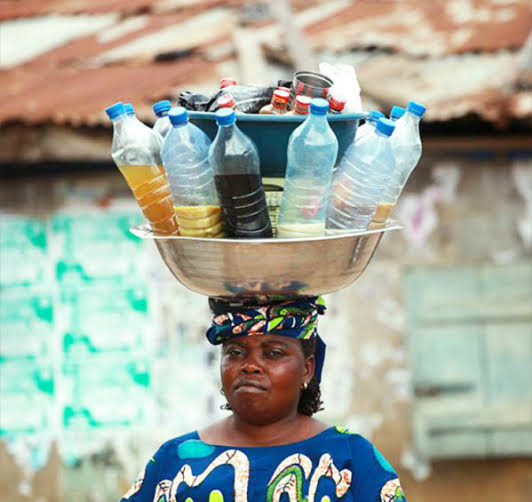
The "Monkey Tail" tragedy is not an isolated incident. It is a symptom of a broader crisis in Nigeria's regulation of locally produced alcoholic beverages. The National Agency for Food and Drug Administration and Control has repeatedly warned against the consumption of unverified alcoholic drinks, particularly those sold in sachets and small bottles, which are often produced in unregulated facilities using dangerous additives. In 2024, NAFDAC began enforcing a ban on the production and sale of alcoholic beverages in sachets and PET bottles below 200 millilitres, citing the ease with which minors could access them and the health risks associated with unregulated production. But enforcement has been uneven, and the informal trade in locally brewed herbal alcohol has continued to thrive in rural communities where regulatory oversight is weak and consumers are often unaware of the dangers.
The people of Odigbo have paid a devastating price for that regulatory gap. Thirty families are mourning loved ones who left home for a naming ceremony and never returned. Fifty more are fighting for their lives in hospitals. The state government has promised that the investigation will be transparent and that those responsible will be held accountable. But for the families of the deceased, the ban and the investigations come too late. Their losses cannot be undone by a government directive. What is left is a question that will haunt the authorities long after the headlines fade. How many more people must die from a drink they bought from an unlicensed seller before Nigeria decides that the regulation of what its citizens consume is not an optional luxury but a fundamental duty of the state?
📩 Stone Reporters News | 🌍 stonereportersnews.com
✉️ info@stonereportersnews.com | 📘 Facebook: Stone Reporters News | 🐦 X (Twitter): @StoneReportNew | 📸 Instagram: @stonereportersnews
Add comment
Comments