

Reported by: Ijeoma G | Edited by: Gabriel Osa
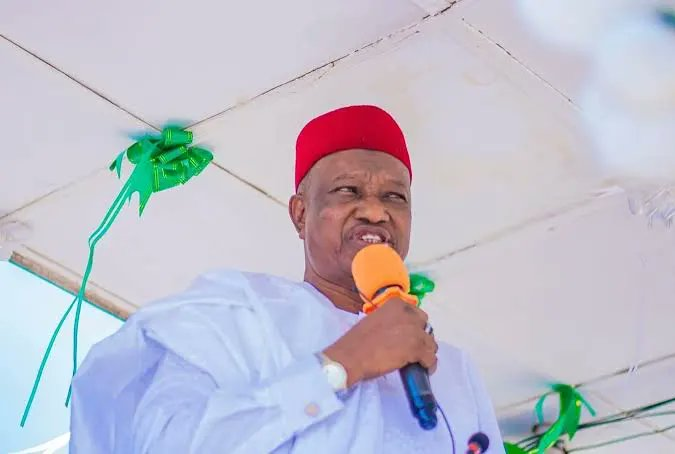
The Kano State House of Assembly has formally initiated impeachment proceedings against the Deputy Governor of Kano State, Aminu Abdussalam Gwarzo, over allegations of gross misconduct, abuse of office and breach of public trust, marking a significant political development that could reshape the leadership structure of one of Nigeria’s most populous states.
The impeachment move was announced during a plenary session of the Assembly where lawmakers presented a formal notice outlining the accusations against the deputy governor. The motion was moved by the Majority Leader of the House, Lawan Husseini Dala, and read before the chamber presided over by the Speaker, Jibrin Falgore. The lawmakers said the process was initiated in line with Section 188 of the 1999 Constitution of the Federal Republic of Nigeria, which provides the legal framework for the removal of a governor or deputy governor on grounds of serious misconduct.
A total of 38 members of the Assembly reportedly signed the impeachment notice, a figure that represents a strong majority in the legislative chamber. The two lawmakers belonging to the New Nigeria Peoples Party did not sign the notice, underscoring political divisions within the Assembly over the matter.
According to the notice presented to the Assembly, the allegations against Gwarzo stem from actions allegedly taken during his tenure as Commissioner for Local Government Affairs between 2023 and 2024, as well as conduct linked to his current role as deputy governor. Lawmakers argue that these actions constitute impeachable offences under Nigerian constitutional provisions governing public office holders.
Central to the accusations are claims that the deputy governor received financial kickbacks from the 44 local government councils in Kano State. Lawmakers alleged that between June 2023 and January 2024, he received payments of about ₦1.5 million monthly from each of the councils. According to the Assembly, this arrangement generated approximately ₦66 million every month and accumulated to about ₦462 million during the seven-month period.
The impeachment notice further alleges that between February and July 2024, additional payments were collected from the local governments under the pretext of funding special assignments. The lawmakers claimed that during this period the deputy governor received about ₦3.255 million monthly from each council, amounting to roughly ₦726 million.
Beyond the alleged kickbacks, the Assembly accused the deputy governor of facilitating the release of public funds from local government councils to a private company identified as NovoMed Pharmaceuticals Limited. According to the allegations, each of the 44 councils paid ₦10 million to the firm, resulting in a total of about ₦440 million. Lawmakers argued that the payments violated the state’s procurement procedures and fiscal management regulations.
The Assembly described the alleged financial transactions as a breach of public trust and a violation of the ethical obligations expected from public office holders responsible for managing public resources. Legislators also said the accusations undermine the principles of transparency and accountability that should guide government operations.
Following the presentation of the impeachment notice, the Speaker directed that the document be formally served on the deputy governor. Under constitutional procedures, Gwarzo has been given two weeks to respond to the allegations and present a defence before the Assembly considers the next stage of the process.
If the Assembly is not satisfied with his response, the next constitutional step would involve the formation of an investigative panel to examine the allegations in detail. Such a panel typically consists of individuals appointed by the state’s chief judge to determine whether the accusations amount to gross misconduct. The panel’s findings would then be presented to the legislature for a final decision on whether the deputy governor should be removed from office.
The unfolding impeachment process is also occurring against the backdrop of political tensions within Kano State. Recent developments in the state’s political landscape have revealed disagreements among political actors, particularly concerning party alignments and shifting alliances ahead of the 2027 general elections. Analysts believe these tensions may be influencing the current dispute within the state government.
Some reports indicate that the deputy governor has faced pressure from certain political figures to resign from office amid disagreements within the ruling political structure. However, supporters of Gwarzo argue that he was elected alongside the governor and therefore retains a constitutional mandate to remain in office unless lawfully removed through due process.
The impeachment move has already generated widespread political debate across Kano State and beyond, as the outcome could significantly alter the balance of power within the state’s executive leadership. If the allegations are upheld through the constitutional process, Gwarzo could become one of the few deputy governors in Nigeria’s democratic era to be removed from office through legislative impeachment.
For now, the political future of the Kano deputy governor remains uncertain as the Assembly awaits his formal response to the allegations. The coming weeks are expected to determine whether the impeachment process will proceed to a full investigative stage or be resolved through political negotiation within the state’s leadership.
📩 Stone Reporters News | 🌍 stonereportersnews.com
✉️ info@stonereportersnews.com | 📘 Facebook: Stone Reporters | 🐦 X (Twitter): @StoneReportNew | 📸 Instagram: @stonereportersnews
Add comment
Comments