

Reported by: Oahimire Omone Precious | Edited by: Oravbiere Osayomore Promise.
The Department of State Services has questioned five media aides attached to the Kano State Government House following allegations of cyberbullying and defamation reportedly linked to a petition involving former presidential candidate of the New Nigeria Peoples Party, Senator Rabiu Musa Kwankwaso.
The interrogation, which took place at the DSS office in Kano on Saturday, reportedly lasted several hours and involved senior operatives questioning the aides over claims that their online activities may have contributed to reputational harm against political figures associated with the Kwankwasiyya Movement.
Those invited include senior officials in the Kano Government House media team and individuals identified as close communication aides to Governor Abba Kabir Yusuf, who leads the state administration under the platform of the New Nigeria Peoples Party.
According to a source described as credible within security circles, the affected aides had earlier been invited to respond to a formal petition allegedly signed by representatives linked to the Kwankwasiyya political movement, which has remained influential in Kano politics since the return of democratic governance in the state.
The aides were said to have voluntarily honoured the invitation and presented themselves for questioning at the service headquarters, where they were reportedly held for several hours as investigators examined allegations relating to online statements and digital publications considered potentially defamatory under Nigeria Cybercrimes legal framework.
Nigeria Cybercrimes Prohibition Prevention etc Act has in recent years been increasingly referenced in disputes involving online expression particularly where public officials allege that social media posts or digital commentary have crossed into defamation or harassment prompting investigations by security agencies such as the DSS.
Political tensions in Kano have remained heightened since the split between factions aligned to Senator Kwankwaso and supporters within the current state administration with both sides frequently exchanging accusations through public statements legal petitions and media commentary.
Security agencies in Kano and across Nigeria have continued to monitor online activity involving politically exposed persons with investigations often initiated following petitions alleging defamation incitement or coordinated harassment campaigns on social media platforms.
As of the time of reporting there had been no official statement from the DSS detailing the outcome of the interrogation while the Kano State Government and representatives of Senator Kwankwaso had also not issued comprehensive public reactions to the incident.
The development adds to ongoing scrutiny of digital political communication in Nigeria’s northwest where social media engagement has become a central tool for political mobilisation influence and contestation between rival camps.
Observers say the case underscores the growing intersection between politics social media and security enforcement in Nigeria particularly as authorities increasingly rely on cybercrime legislation to address disputes arising from online speech.
The Department of State Services Nigeria’s domestic intelligence agency is responsible for internal security investigations including matters involving alleged threats cyber-related offences and politically sensitive disputes that may affect public order or national stability.
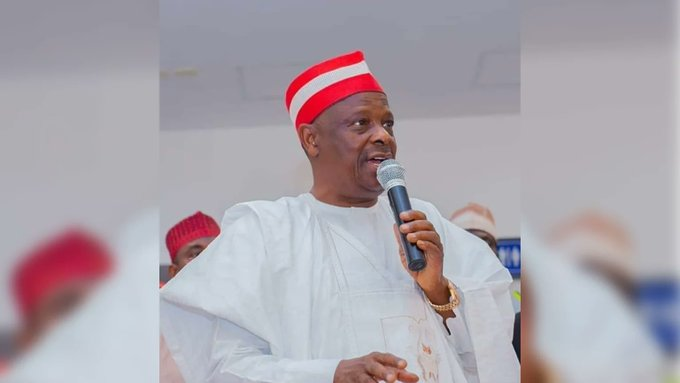
Senator Rabiu Musa Kwankwaso a former governor of Kano State and presidential candidate of the New Nigeria Peoples Party remains one of the most influential political figures in northern Nigeria with a strong grassroots movement known as the Kwankwasiyya political structure.
Political dynamics in Kano have remained highly competitive since the 2023 general elections with the New Nigeria Peoples Party securing the governorship and intensifying political rivalry between supporters of the state administration and opposition-aligned factions.
Nigeria Cybercrimes Prohibition Prevention etc Act provides legal provisions for addressing online harassment defamation identity theft and other forms of digital misconduct and has increasingly been invoked in disputes involving political communication.
Following such interrogations security agencies typically assess evidence presented in petitions review digital communications and determine whether further investigation prosecution or administrative action is warranted under existing legal frameworks.
Political analysts say such cases often reflect escalating tensions in Nigeria’s digital political space where social media has become a key arena for competition between rival political camps.
In Kano State political communication has become increasingly polarized with rival groups frequently engaging in public exchanges that sometimes escalate into formal complaints or security-related petitions.
The DSS has in previous years handled similar petitions involving allegations of online defamation and cyber harassment particularly in politically sensitive states during election cycles and post-election disputes.
Governor Abba Kabir Yusuf who leads the Kano State Government under the New Nigeria Peoples Party has overseen a politically active administration often closely associated with the Kwankwasiyya movement which maintains strong influence within the state’s political structure.
Media aides within state governments typically manage official communications press statements and digital outreach making them central figures in shaping public perception of government policies and political narratives.
Cases involving interrogation of media aides over online expression often raise broader debates about media freedom digital rights and the boundaries between lawful communication and defamation in politically charged environments.
As investigations continue uncertainty remains regarding whether the case will lead to formal charges administrative sanctions or a resolution through political mediation between the parties involved.
The development also comes amid broader security challenges in northwestern Nigeria where multiple states continue to grapple with banditry kidnapping and communal violence that have strained law enforcement capacity and displaced thousands of residents.
Authorities are expected to release further details as the investigation progresses while stakeholders in Kano politics continue to monitor developments closely due to their potential implications for political communication and governance in the state.
Social media platforms have become increasingly influential in shaping political narratives in Nigeria enabling rapid dissemination of information but also contributing to disputes over accuracy tone and intent of public communications.
In this context incidents such as the interrogation in Kano highlight the growing regulatory attention on digital expression particularly where political actors and state institutions intersect in contentious public discourse.
Stakeholders and observers have called for transparency and adherence to due process as authorities handle the matter.
As the situation develops further updates are anticipated from security authorities and political actors in the coming days which may provide additional clarity on the outcome of the interrogation and the broader implications for political communication governance in Kano State.
📩 Stone Reporters News | 🌍 stonereportersnews.com
✉️ info@stonereportersnews.com | 📘 Facebook: Stone Reporters News | 🐦 X (Twitter): @StoneReportNew | 📸 Instagram: @stonereportersnews
Add comment
Comments