

Reported by: Oahimire Omone Precious | Edited by: Oravbiere Osayomore Promise.
In a notable turn of events in Benin City, Edo State, individuals who were earlier accused of attacking Dr. Don Pedro Obaseki have publicly apologised and sought forgiveness from him, marking a shift from a widely reported incident that drew attention from legal and human rights actors in Nigeria.
The group led by Osazee Adun, also known as Kapuepue, who is identified as the younger brother of Tony Adun, a political figure associated with youth leadership within the All Progressives Congress in Edo State, reportedly visited Obaseki at his residence in Benin City where they expressed remorse for their involvement in the incident and appealed for reconciliation.
During the visit, Osazee Adun was said to have spoken directly to Obaseki expressing regret over the confrontation that took place in late December 2025, which had been reported to involve a violent encounter at Uwa Primary School in Benin City, where Obaseki was allegedly assaulted following a football game.
The incident, which attracted significant public attention in Edo State, also led to legal action initiated by human rights lawyer Femi Falana (SAN), who reportedly filed a case concerning alleged abduction and violation of fundamental rights against those involved in the assault, further intensifying scrutiny of the matter.
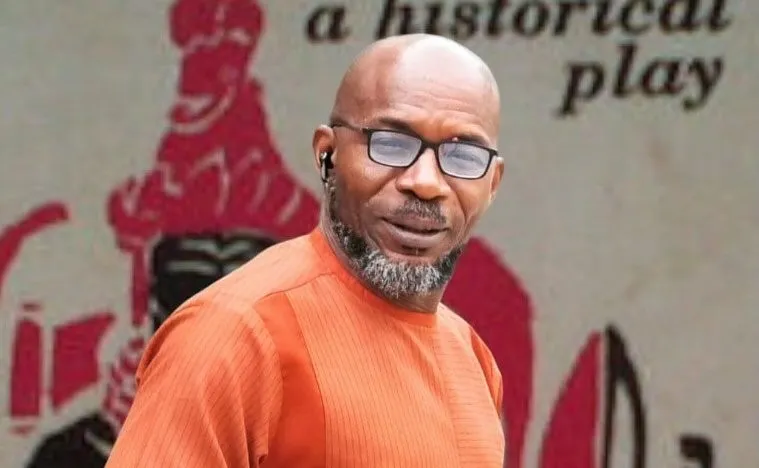
In response to the allegations and subsequent public discourse, Obaseki himself has now accepted the apology offered by the group, stating that he has chosen forgiveness after consultations with family members and community stakeholders, noting that reconciliation was necessary for peace and stability within the region.
Obaseki also emphasised that while the incident had caused him significant emotional distress, he preferred to pursue a path of reconciliation rather than prolonged confrontation, insisting that such matters should not further divide communities in Edo State.
He further stated that those involved were required to provide written undertakings committing to refrain from any form of violence or intimidation in the future, warning that any breach of such agreement would result in the matter being revisited through appropriate legal channels.
Additionally, he announced plans to establish a non-governmental organisation focused on addressing assault and intimidation within the state, aimed at promoting civic awareness and discouraging violent conduct among residents through advocacy and community engagement.
The original incident had earlier generated widespread debate across political and civic circles in Edo State, with commentators expressing concern over the escalation of intra-community tensions and the implications for public order in the region, particularly given the involvement of individuals linked to political structures and local influence networks which often shape social responses to disputes in Benin City.
Legal observers have noted that cases involving allegations of assault and public humiliation often proceed under both criminal and civil frameworks in Nigeria, depending on the evidence presented and the prosecutorial discretion of relevant authorities, while human rights claims may also be pursued to seek remedies for alleged violations of dignity and personal liberty within constitutional protections guaranteed by the Nigerian legal system.
In the context of traditional governance structures in Benin Kingdom, reconciliation and forgiveness are often framed within long-standing cultural values that emphasise community harmony and restoration of relationships following disputes, with elders and family networks frequently playing mediating roles in resolving conflicts and encouraging dialogue between opposing parties in order to prevent further escalation and preserve social cohesion within local communities.
The announcement of forgiveness and acceptance has been interpreted by some observers as an attempt to de-escalate tensions and redirect public attention towards reconciliation efforts, particularly in light of ongoing scrutiny from civil society organisations advocating for accountability in cases involving alleged abuse or intimidation, while others view the development as part of a broader pattern of dispute resolution through dialogue rather than prolonged litigation.
The case continues to highlight the intersection of community relations political affiliations and legal accountability in contemporary Edo State, raising questions about how institutions and individuals navigate disputes that carry both personal and public dimensions, particularly when allegations of violence become intertwined with perceptions of loyalty and identity within local governance structures that influence public trust and civic engagement across affected communities.
Meanwhile, stakeholders continue to monitor developments surrounding the matter, particularly with regard to ongoing legal proceedings and the potential impact on civic stability in the state, as discussions persist regarding the importance of strengthening mechanisms for conflict resolution and enhancing public trust in institutions responsible for maintaining order and ensuring that citizens feel protected under the rule of law within their communities.
Ultimately, the resolution of the confrontation and the subsequent apology reflects an evolving approach to conflict management within local Nigerian contexts, where formal legal processes and informal reconciliation efforts often operate in parallel, shaping outcomes that seek to balance accountability with social cohesion, while also acknowledging the deep cultural importance of forgiveness and communal restoration in maintaining long-term stability across diverse communities.
The developments also underscore the sensitivity surrounding incidents involving public figures and community stakeholders particularly in regions where political affiliations and traditional authority structures intersect in ways that can amplify both conflict and reconciliation processes depending on the responses adopted by those involved and the broader community reception to such resolutions over time as public discourse continues to evolve around issues of justice accountability and collective responsibility within the state.
In conclusion, the events serve as a reminder of the importance of measured responses in situations where allegations of violence intersect with community identity and public perception reinforcing the need for sustained dialogue institutional safeguards and community-based approaches to prevent recurrence while fostering environments conducive to peace and mutual respect among diverse groups within society.
This case further illustrates how individual actions can escalate into broader societal discussions that require careful balancing of justice reconciliation and accountability particularly in environments where social cohesion is closely tied to historical relationships and evolving political dynamics. The resolution therefore stands as a significant example of reconciliation efforts within contemporary civic discourse in Nigeria emphasizing the continuing relevance of dialogue in resolving disputes peacefully reaffirming community peace stability justice accountability and reconciliation across Edo State Nigeria
📩 Stone Reporters News | 🌍 stonereportersnews.com
✉️ info@stonereportersnews.com | 📘 Facebook: Stone Reporters News | 🐦 X (Twitter): @StoneReportNew | 📸 Instagram: @stonereportersnews
Add comment
Comments