

Reported by: Oahimire Omone Precious | Edited by: Oravbiere Osayomore Promise.
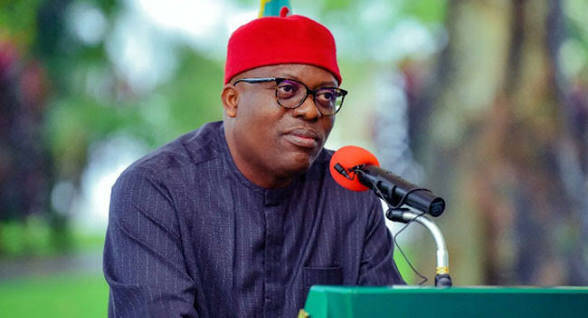
Rivers State Governor Siminalayi Fubara on Friday, 10 July 2026, presented the 2026 Appropriation Bill to the State House of Assembly, marking a significant step toward ending months of fiscal uncertainty that had gripped the state amid ongoing political tensions between the executive and legislative arms of government. The presentation, which took place at the Assembly Complex in Port Harcourt, follows the lawmakers' approval of the 2026–2028 Medium Term Expenditure Framework (MTEF) two weeks ago, a fiscal document that sets out government revenue projections and expenditure plans over the three-year period and serves as the foundation for the annual budget.
According to the MTEF, Rivers State is projecting a budget of N1.84 trillion for 2026, with recurrent spending exceeding N400 billion while capital projects will consume more than N1.4 trillion, reflecting the administration's pledge to prioritise infrastructure development across the state. The budget's structure signals where the government plans to channel resources over the coming year, with a heavy emphasis on capital expenditure to drive economic growth and address the state's infrastructural deficits.
Speaker of the House, Martin Amaewhule, praised the executive for crafting what he called a practical fiscal blueprint for the state's next three years. However, he raised red flags about the framework's revenue assumptions, contending that projections do not capture current market conditions, particularly regarding international crude oil prices, which remain a critical determinant of the state's revenue base. Despite these concerns, the Assembly proceeded to receive the bill, which will now face parliamentary examination before passage and implementation.
The delayed arrival of the 2026 budget proposal had drawn intense scrutiny from the public and political observers, with many linking the protracted wait to the ongoing tensions between the executive and legislature in the state. The Rivers State House of Assembly had earlier rejected attempts by Fubara to present the 2026 budget in January, insisting that it would not receive the appropriations bill until allegations of gross misconduct against the governor were concluded. The Assembly had even commenced impeachment proceedings against Fubara and his deputy, Professor Ngozi Odu, effectively halting his presentation of the 2026 Appropriation Bill at the time.
The MTEF, which was approved on 26 June 2026, had been submitted by Fubara a day earlier during an emergency sitting of the Assembly. Speaker Amaewhule noted that by the provision of Section 10 (1)(b) of the Rivers State Fiscal Responsibility Law, No. 8 of 2010, the MTEF document should have been laid before the House in September 2025, four months before the commencement of the next financial year. However, he said in the interest of the state, the House deemed it expedient to consider the document, which he described as a precursor to the state's 2026 budget estimate. After lamenting that the year was already half gone, the Speaker called on the lawmakers to debate the document. Members examined the various assumptions in the document and concluded that if strictly followed, they would be for the greater good of Rivers people.
The approval of the MTEF had allayed earlier fears that Rivers State would be thrown into a constitutional crisis at the end of June following the lack of an operational budget. The new cooperation between the governor and the House signalled a thaw in relations that had been strained for months. Once Fubara lays the bill before lawmakers, it will face parliamentary examination before passage and implementation. The budget's structure signals where the government plans to channel resources over the coming year.
Friday's presentation marks a crucial moment in resolving the fiscal uncertainty that has gripped the state for months. It also represents a significant step toward normalising relations between the executive and legislative arms of government, which had been locked in a protracted political battle that at one point threatened to plunge the state into a full-blown constitutional crisis. With the budget now before the Assembly, the focus shifts to the legislative review process, which will determine the final shape of the 2026 Appropriation Bill and the resources available for the administration's development agenda in the coming year.
📩 Stone Reporters News | 🌍 stonereportersnews.com
✉️ info@stonereportersnews.com | 📘 Facebook: Stone Reporters News | 🐦 X (Twitter): @StoneReportNew | 📸 Instagram: @stonereportersnews
Add comment
Comments