

Reported by: Ijeoma G | Edited by: Oravbiere Osayomore Promise.
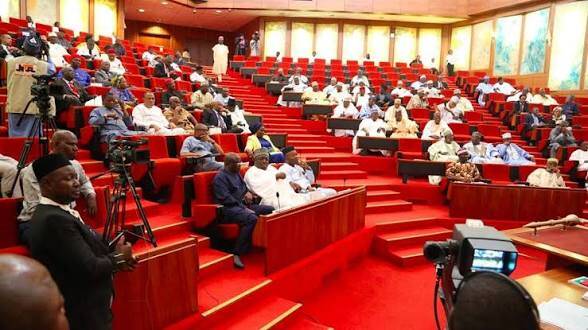
The Senate has officially clarified that the Federal Capital Territory will not be part of the proposed state police system, citing constitutional limitations that make it impossible for Abuja to operate its own police force. The Chairman of the Senate Committee on Media and Publicity, Yemi Adaramodu, gave the explanation on Friday, August 7, 2026, while responding to questions over why the FCT was excluded from the emerging framework for decentralised policing.
Adaramodu said the FCT does not have a governor or a State House of Assembly, adding that it is directly controlled by the Federal Government. "I have heard many people raise a lot of questions on why the Federal Capital Territory is not among the plan for state police. The FCT issue is different. It is under the Federal Government," he said. The Ekiti lawmaker explained that the FCT is administered by a minister who operates under the Federal Executive Council, unlike the 36 states, which are headed by elected governors and have their own Houses of Assembly. "Again, the FCT does not have a governor. It is run by a minister who subscribes to the Federal Executive Council. It is from this FEC that the FCT takes directives and its administrative relevance," Adaramodu stated.
He added that legislative responsibility for the territory rests with the National Assembly, not a state legislature. "So, the federal capital does not have an assembly. It is the National Assembly that legislates for the FCT. This is why it can't be different from what the Federal Government does. Therefore, the federal police are in charge," he said. The clarification comes amid moves by the Federal Government to establish a new policing architecture following sustained calls for the decentralisation of the Nigeria Police Force. The Presidency had disclosed that President Bola Tinubu was expected to receive the draft Executive National Policing Bill on September 3, 2026, as part of efforts to overhaul the country's policing system.
Under the proposed constitutional amendments, state Houses of Assembly would have powers to make laws relating to the establishment, organisation, administration, funding and oversight of state police. States would bear the primary responsibility for financing their police formations, although federal grants or assistance could also be provided. A proposed Section 216A provides that the Federal Government may give grants or aid to state police on the recommendation of the National Police Council and with the approval of the National Assembly. The FCT, however, would remain outside that arrangement under the existing constitutional structure, according to Adaramodu, because the territory is administered directly by the Federal Government and its lawmaking functions are still exercised at the federal level.
The Senate's explanation has drawn attention to the structural differences between the FCT and the 36 states, highlighting the challenges of implementing a decentralised policing system in a territory that lacks the constitutional institutions of a state. As the Federal Government continues with its plans for a state police system, the FCT will remain under the jurisdiction of the federal police, a decision that has been met with mixed reactions from stakeholders who have called for the inclusion of the territory in the new policing architecture.
📩 Stone Reporters News | 🌍 stonereportersnews.com
✉️ info@stonereportersnews.com | 📘 Facebook: Stone Reporters News | 🐦 X (Twitter): @StoneReportNew | 📸 Instagram: @stonereportersnews
Add comment
Comments