

Reported by: Oahimire Omone Precious | Edited by: Oravbiere Osayomore Promise.
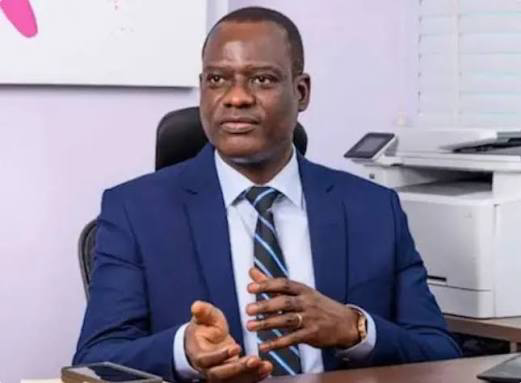
The Federal Government has firmly rejected calls to publish specific details of how it plans to spend funds drawn from its $5 billion financing facility with First Abu Dhabi Bank, with Finance Minister Taiwo Oyedele insisting that the transaction is no different from other government borrowings and has already undergone all required approval processes. Oyedele made the declaration on Wednesday, August 19, 2026, during a media briefing in Abuja on the government's economic reform scorecard, where he fielded questions on the controversial financing arrangement that has attracted scrutiny from international financial institutions and civil society organisations. The minister's stance has ignited fresh debate over transparency in public finance management, particularly given the unique structure of the facility as a total return swap rather than a conventional sovereign loan.
Asked whether the government would make details of the transaction and the deployment of the funds public, Oyedele responded emphatically that there was no need to treat the facility differently from other sources of government financing. "We will not publish how we are spending it. We will publish how we spend government money. There's nothing special about that loan," he said. The minister questioned why the Abu Dhabi facility was receiving particular attention when similar details about other government borrowings, including World Bank loans, Eurobonds and Sukuk, were not being singled out. "Nobody has asked us whether we're going to publish the money we took from the World Bank, whether we publish the one from Eurobond, whether we publish the one from Sukuk. Why is this one special?" he asked.
The $5 billion facility is part of a wider $6 billion external borrowing package approved by the National Assembly on March 31, 2026. The government subsequently accessed about $1.5 billion as the first tranche of the FAB facility in June 2026, with the initial drawdown expected to support the 2026 budget, infrastructure projects and the refinancing of existing debt obligations. Oyedele stressed that the transaction had been properly approved by the Federal Executive Council before being presented to the National Assembly, dismissing suggestions that the financing arrangement bypassed due process. "The loan was approved not only by the FEC, it was taken to the National Assembly because what some people are doing is comparing it with other countries where they did it under the table," he said. "What can be more public than what you gave to the National Assembly?"
The minister further explained that the government would draw the facility in phases rather than access the entire sum at once, as part of efforts to structure the transaction efficiently and reduce the cost of government borrowing. "You don't want to take all the money at once because if you don't spend it at once, you incur costs on the extra amount you've taken," he said. Oyedele also highlighted that the FAB facility differs from Nigeria's traditional fixed-rate borrowing because it carries a flexible interest rate, meaning Nigeria could pay more if interest rates rise but could also benefit if rates decline. "We're used to raising bonds on fixed interest rates. I can tell you our Eurobonds, for example, were raised when the coupon was double digits. Today, our yield is down to around seven, seven and a half percent," he said. According to the minister, the all-in cost of the facility is currently lower than the government's existing debt portfolio, and the primary objective is to refinance more expensive debt and reduce borrowing costs.
The financing arrangement has attracted significant scrutiny from international institutions, including the International Monetary Fund and Fitch Ratings, over concerns about transparency and associated sovereign debt risks. The IMF had publicly advised Nigeria against finalising the proposed $5 billion total return swap agreement, citing risks linked to margin calls and debt transparency. Fitch Ratings also warned that the structure could expose Nigeria to additional foreign exchange risks if domestic bond yields rise or the naira depreciates, and raised concerns that the facility could increase Nigeria's sovereign debt risks and reduce transparency in public debt reporting. Under the arrangement, the Federal Government is required to pledge securities worth about 133 per cent of the amount drawn as collateral.
Despite rejecting calls for a specific spending breakdown, Oyedele promised that the Ministry of Finance and the Debt Management Office would publish frequently asked questions about the transaction in the coming days to provide further clarification to the public. He maintained that the facility was not fundamentally different from other government borrowing arrangements, despite the significant attention it has received from international media outlets and critics. The minister's defence of the transaction comes amid growing public concern over Nigeria's rising debt profile and the transparency of government borrowing, particularly in light of the unique structure of the FAB facility. The government's decision to withhold specific spending details is likely to fuel further criticism from civil society organisations and transparency advocates, who have called for greater openness in the management of public funds.
As Nigeria continues to navigate its economic challenges, the debate over the $5 billion FAB facility highlights the tension between the government's need for flexible financing and the public's demand for accountability. The phased drawdown strategy and the flexible interest rate structure may offer some advantages in managing borrowing costs, but the lack of detailed spending disclosure raises legitimate questions about how the funds will be utilised and whether they will ultimately benefit the Nigerian people. The coming days will reveal whether the promised frequently asked questions will satisfy critics or whether the controversy over the FAB loan will continue to cast a shadow over the government's economic management. For now, the minister's message is clear: the government will account for its spending, but not in the specific terms that transparency advocates have demanded.
📩 Stone Reporters News | 🌍 stonereportersnews.com
✉️ info@stonereportersnews.com | 📘 Facebook: Stone Reporters News | 🐦 X (Twitter): @StoneReportNew | 📸 Instagram: @stonereportersnews
Add comment
Comments